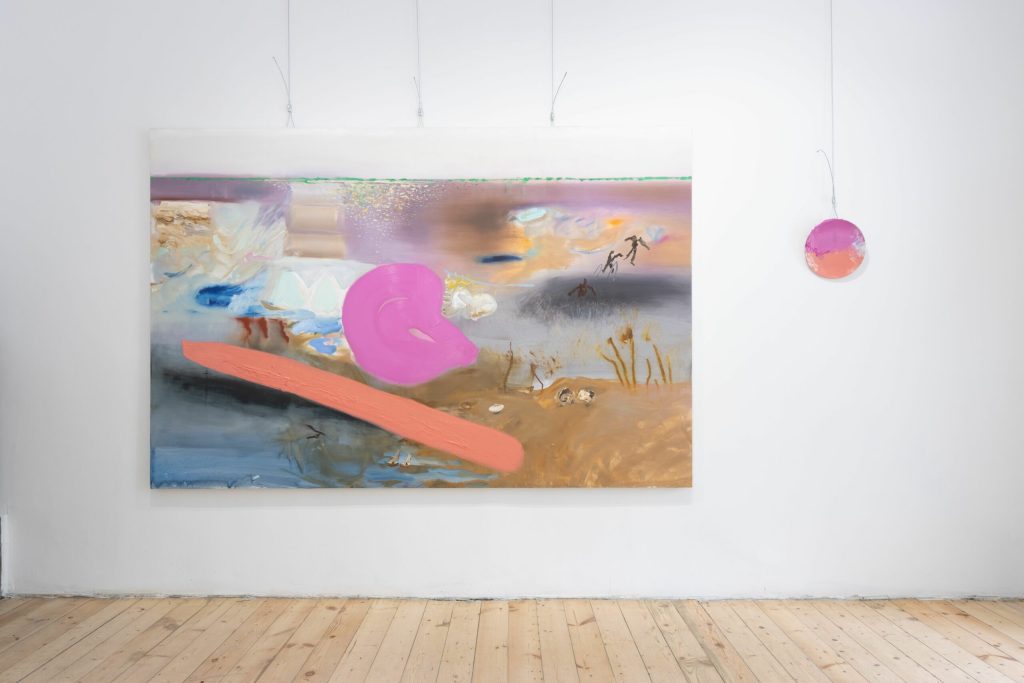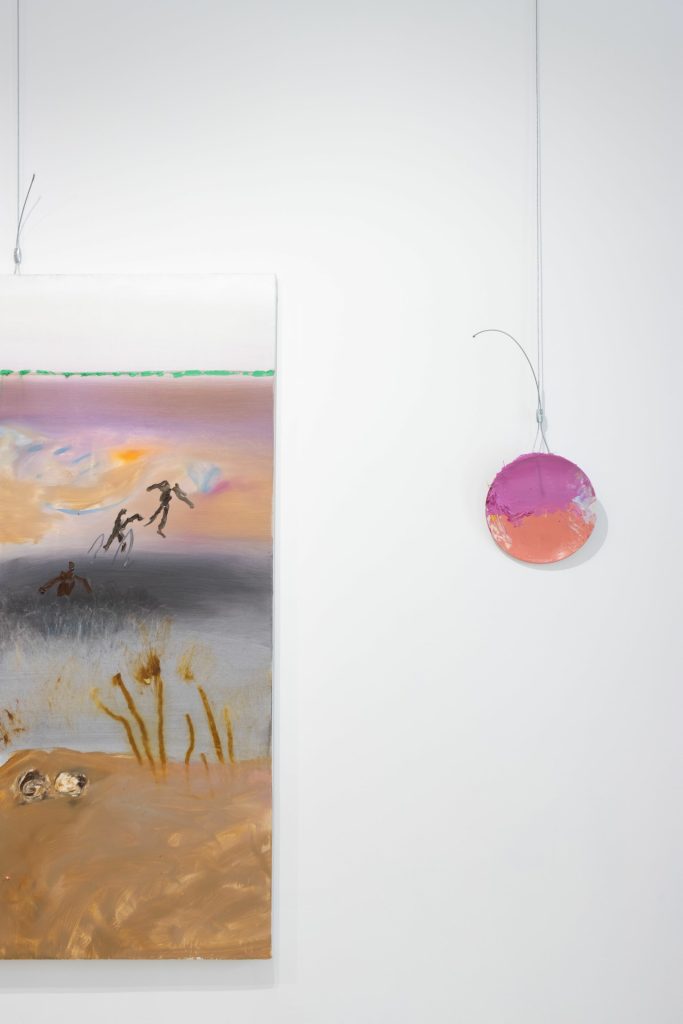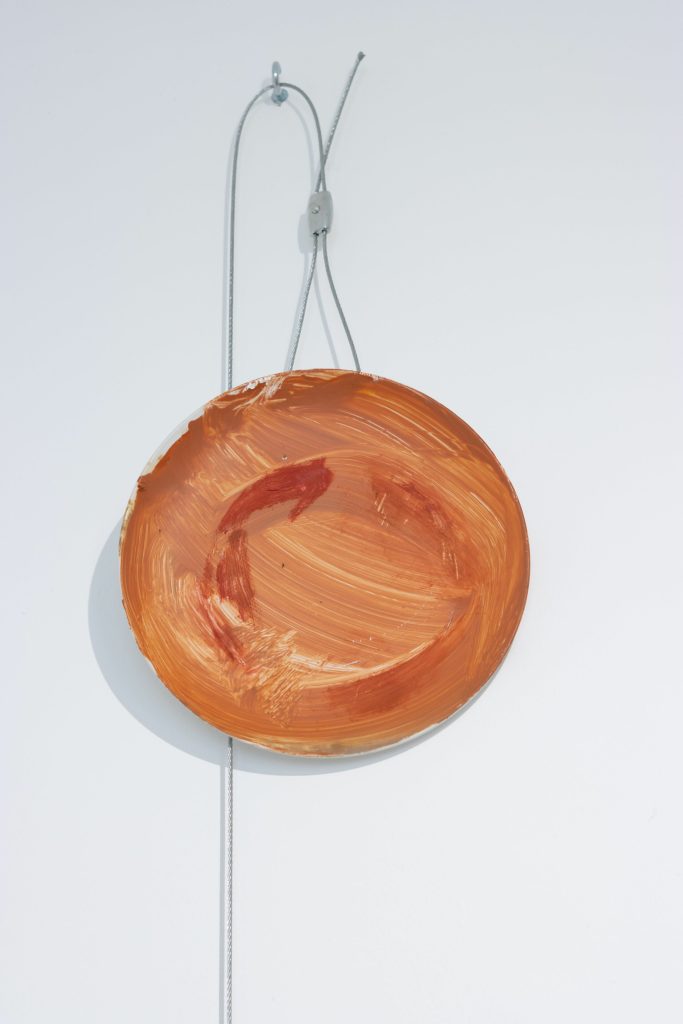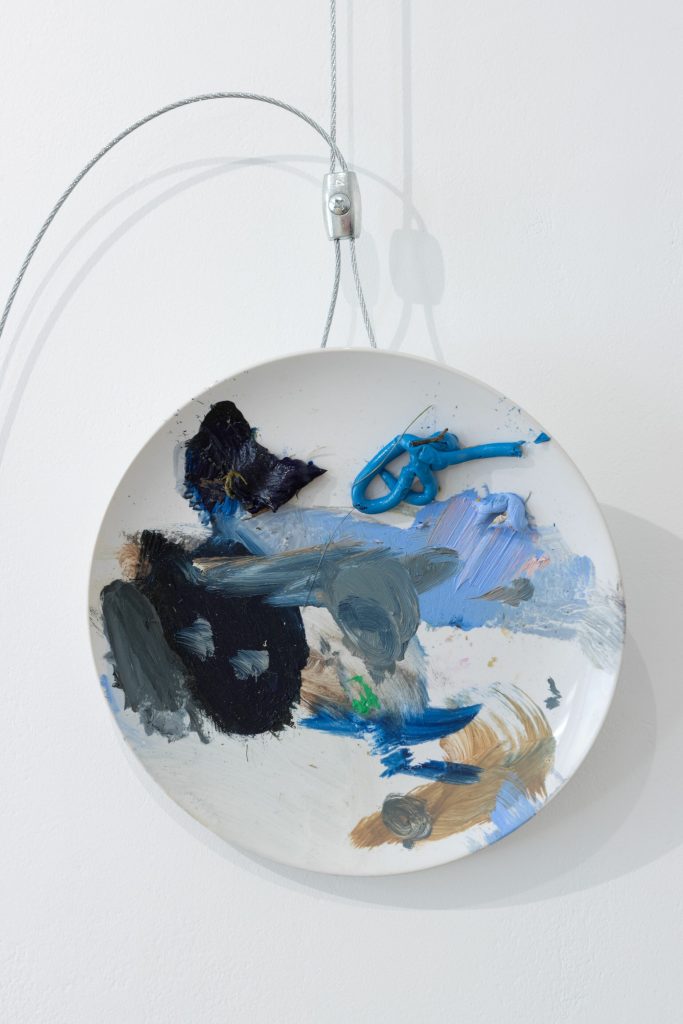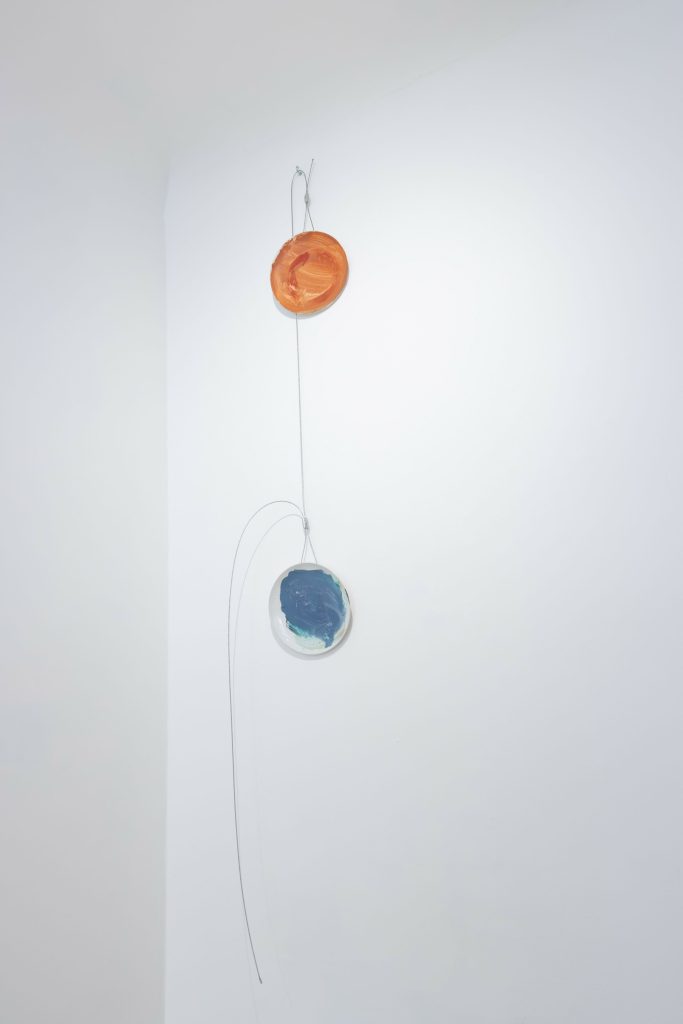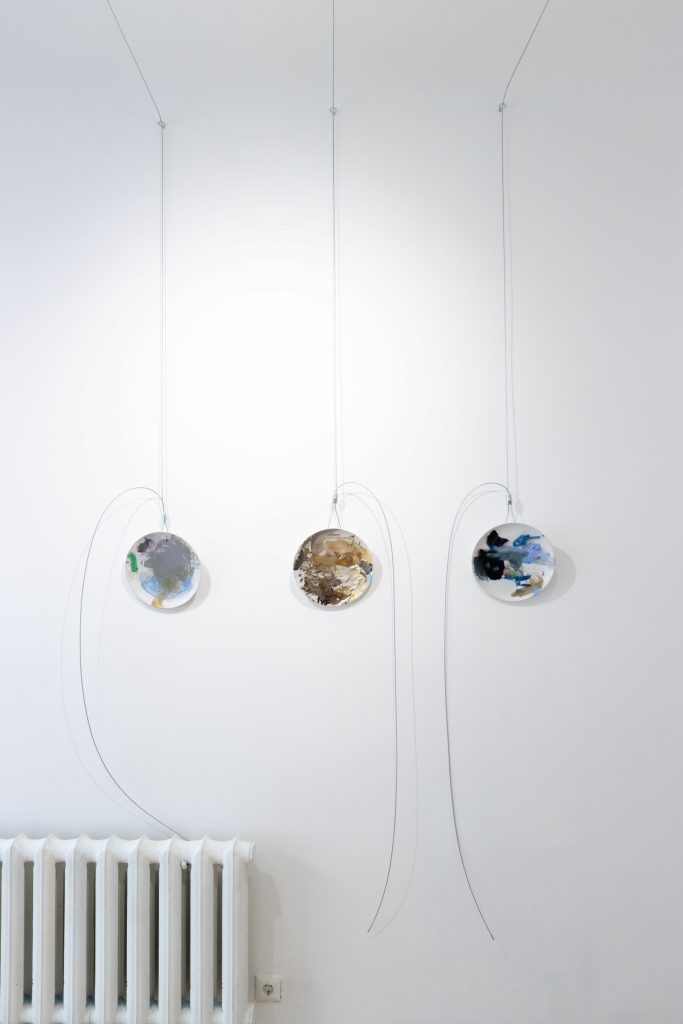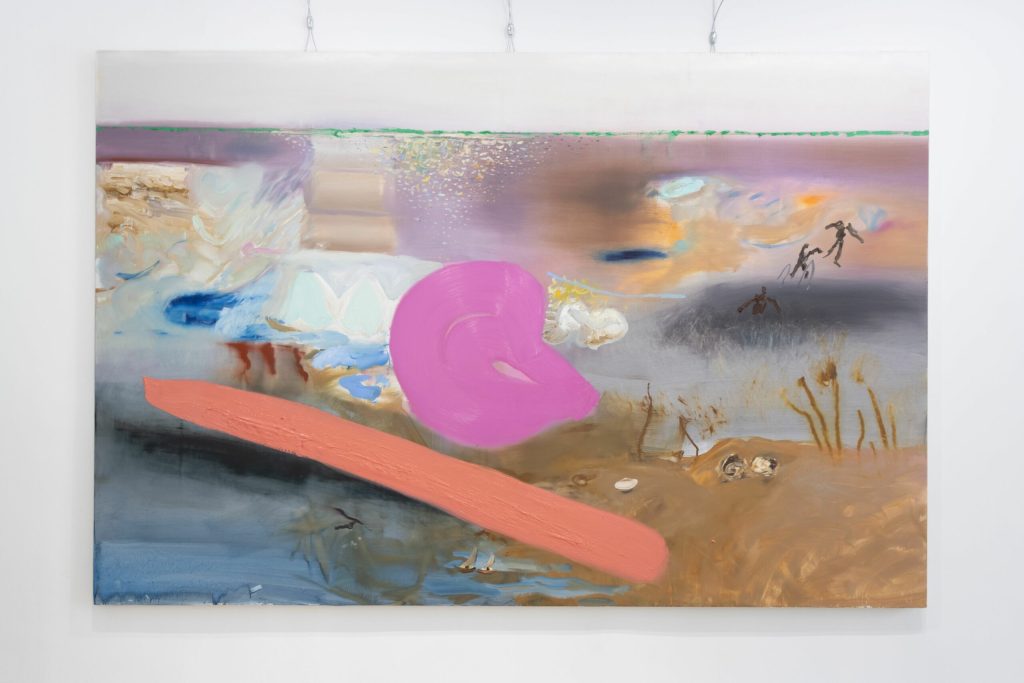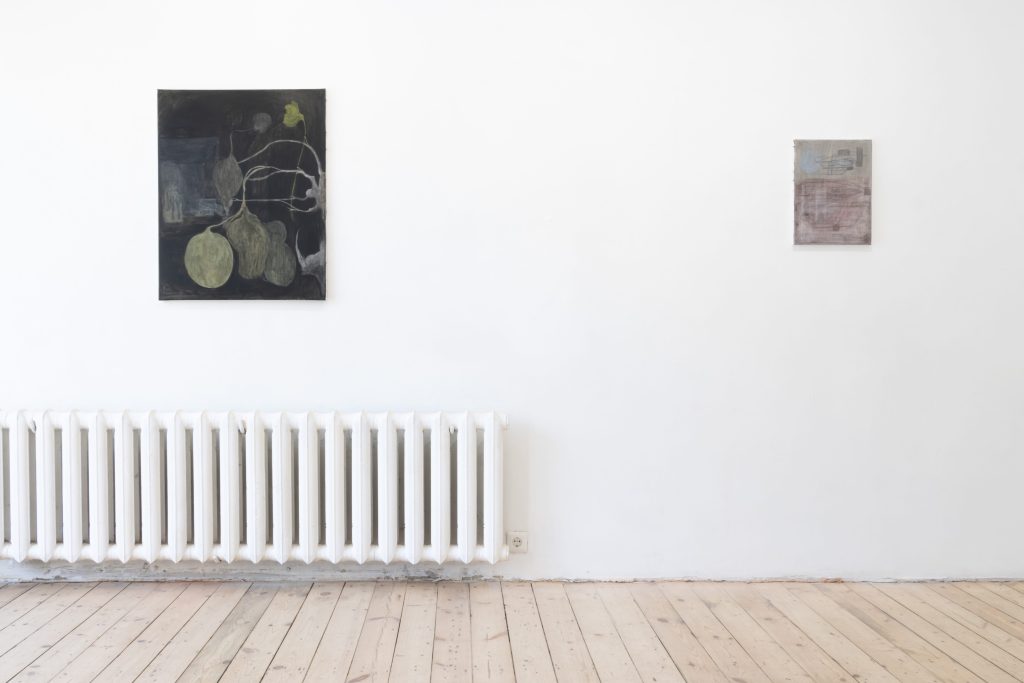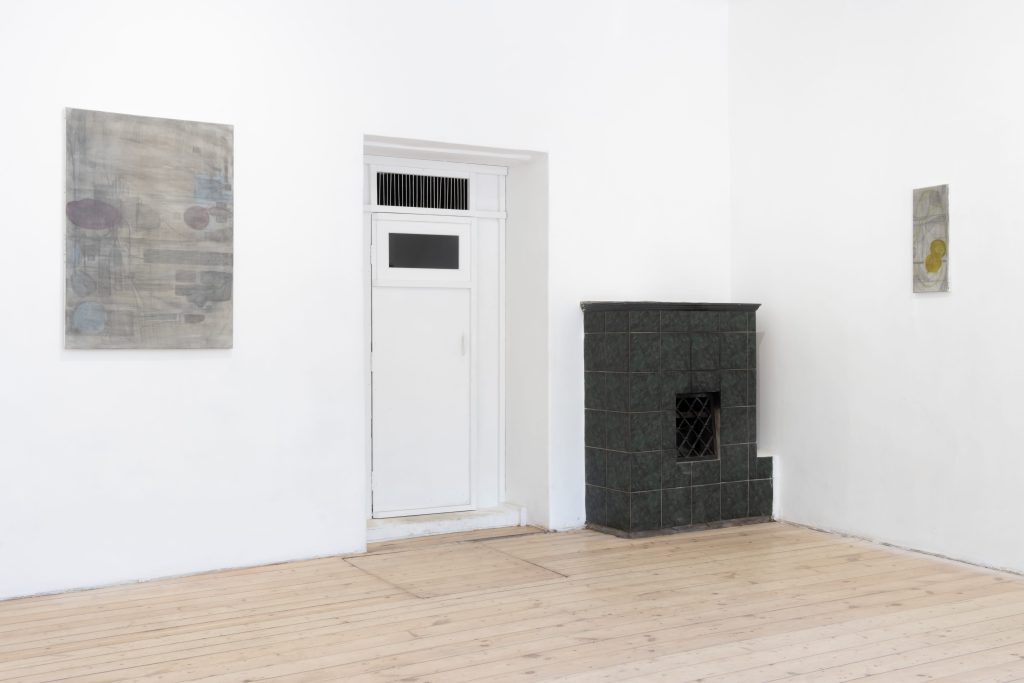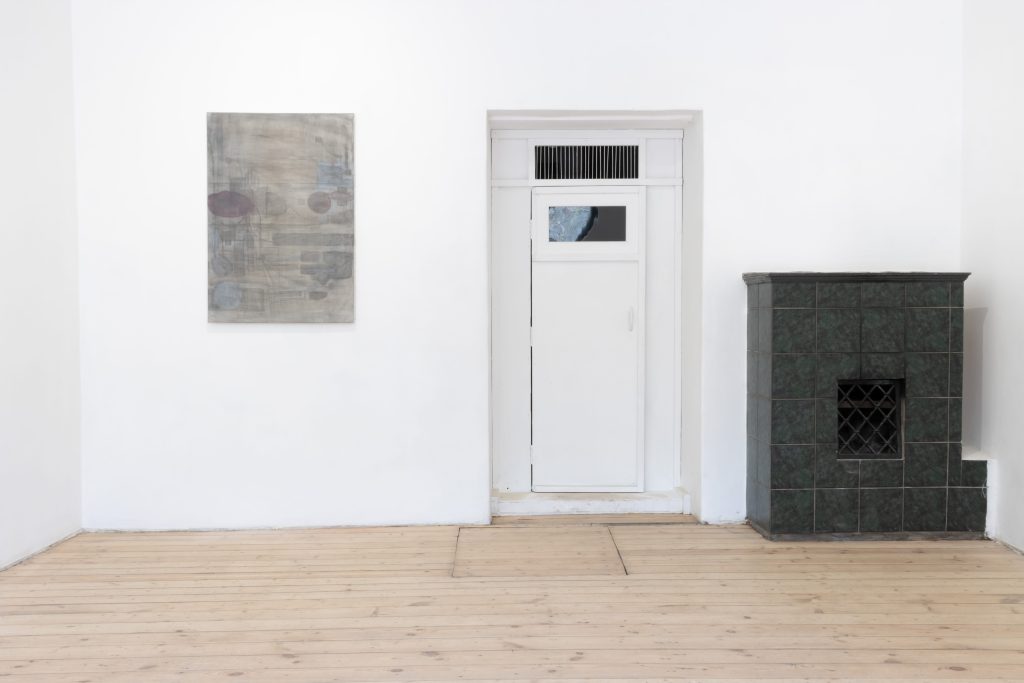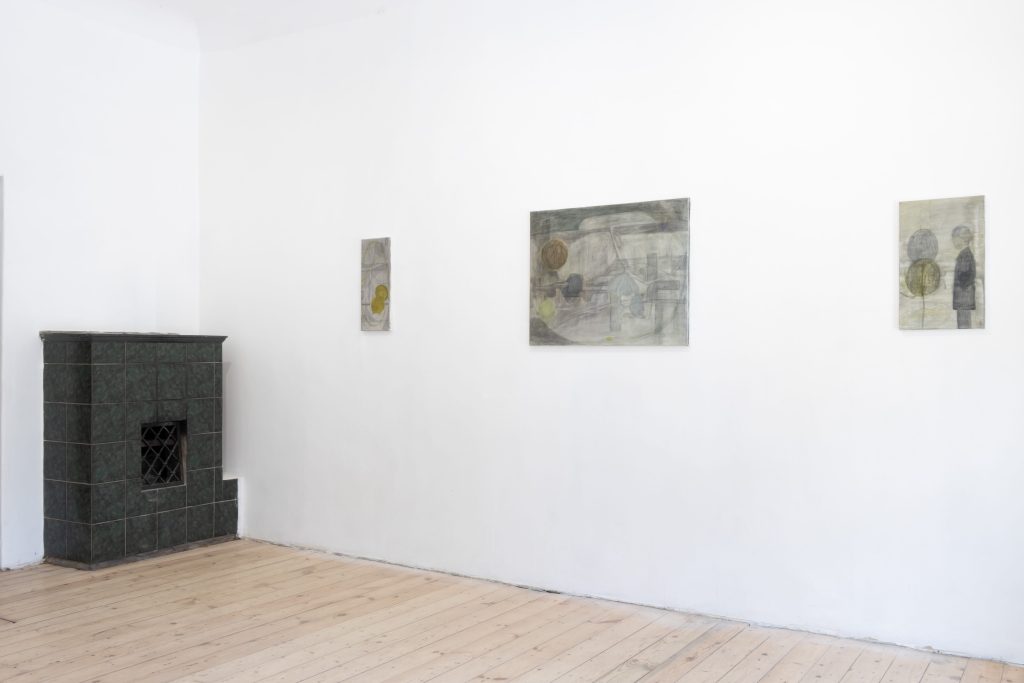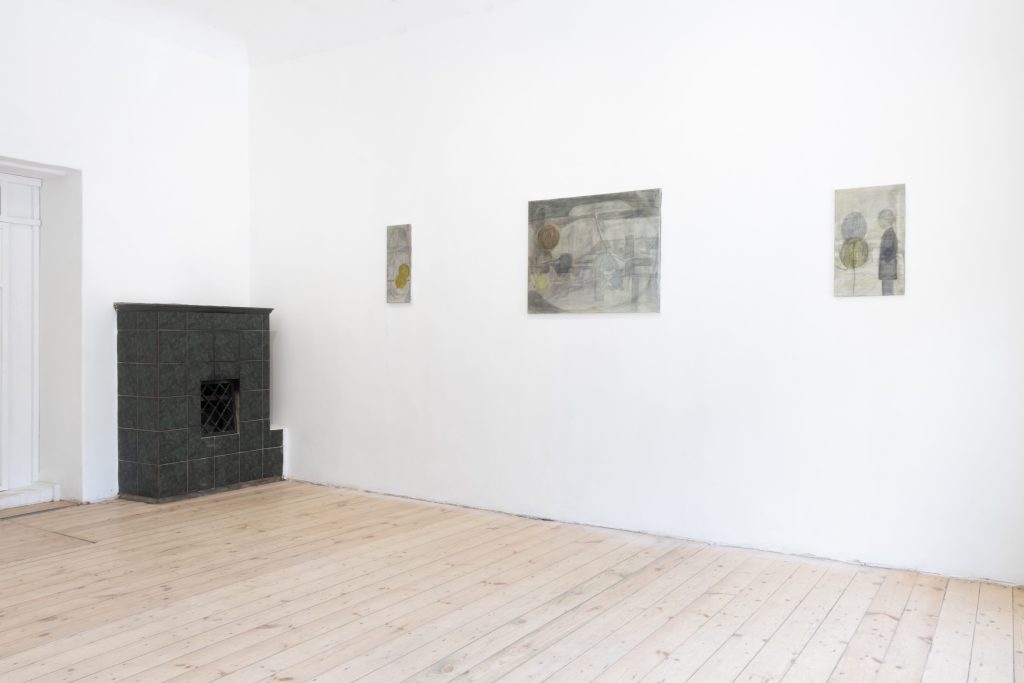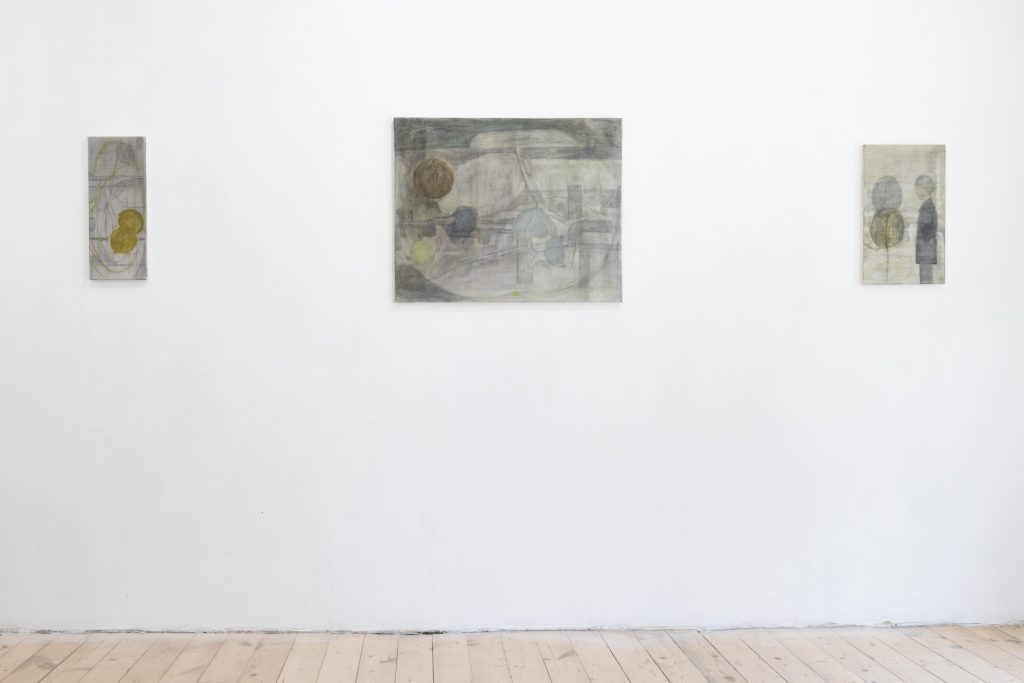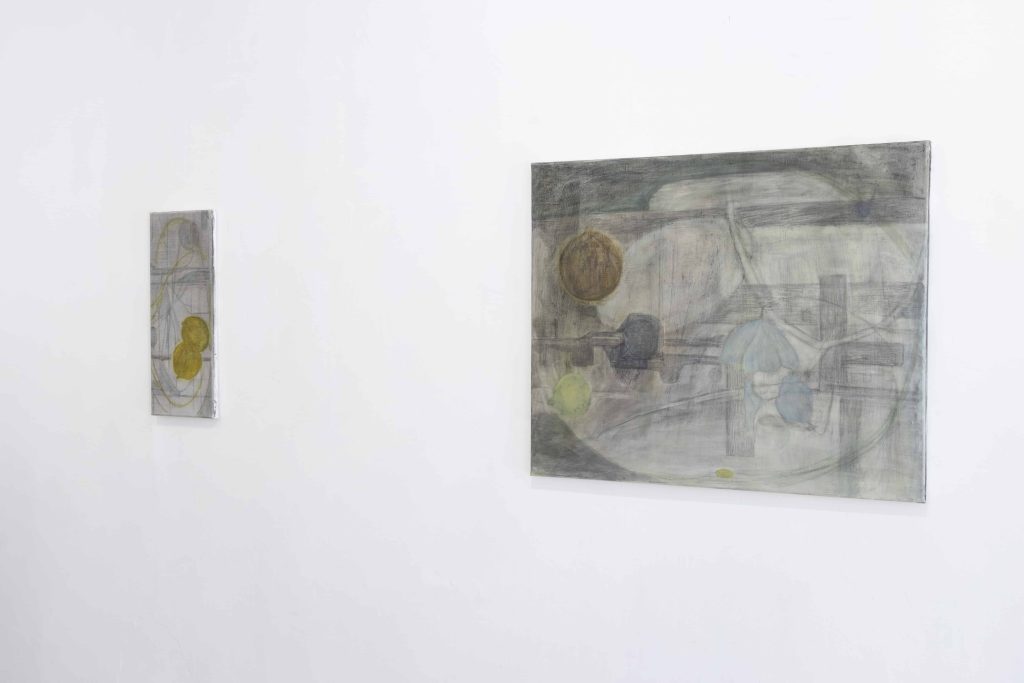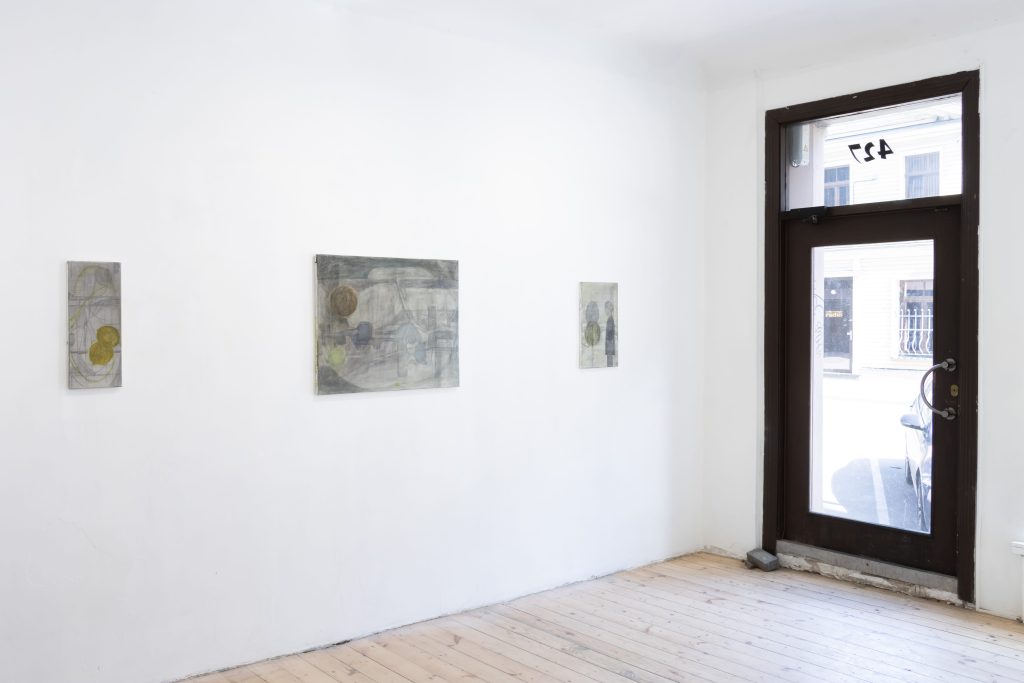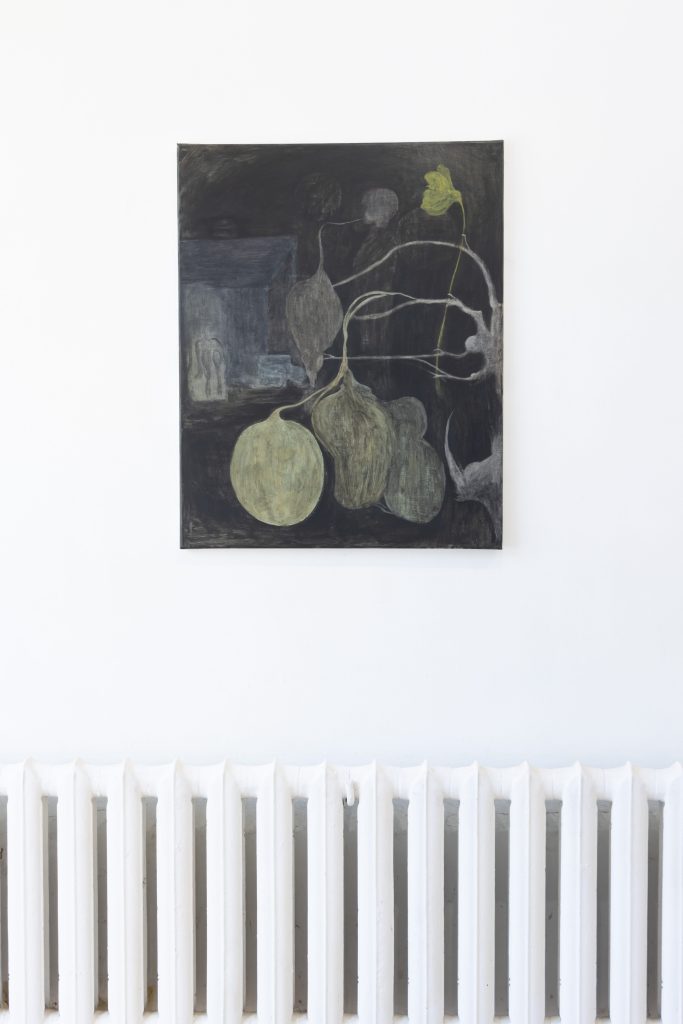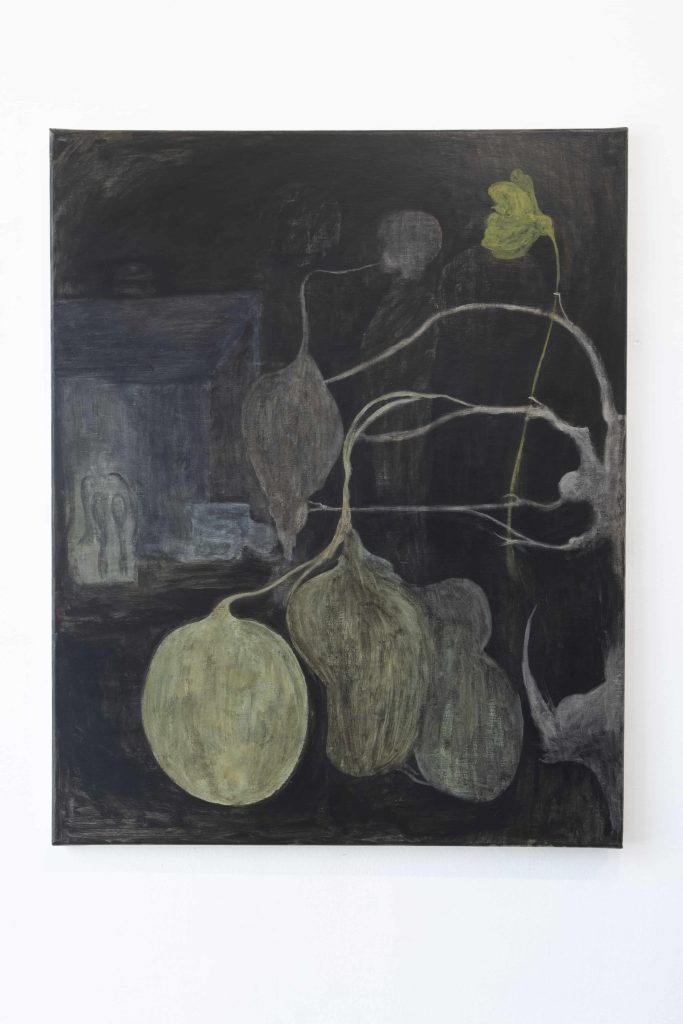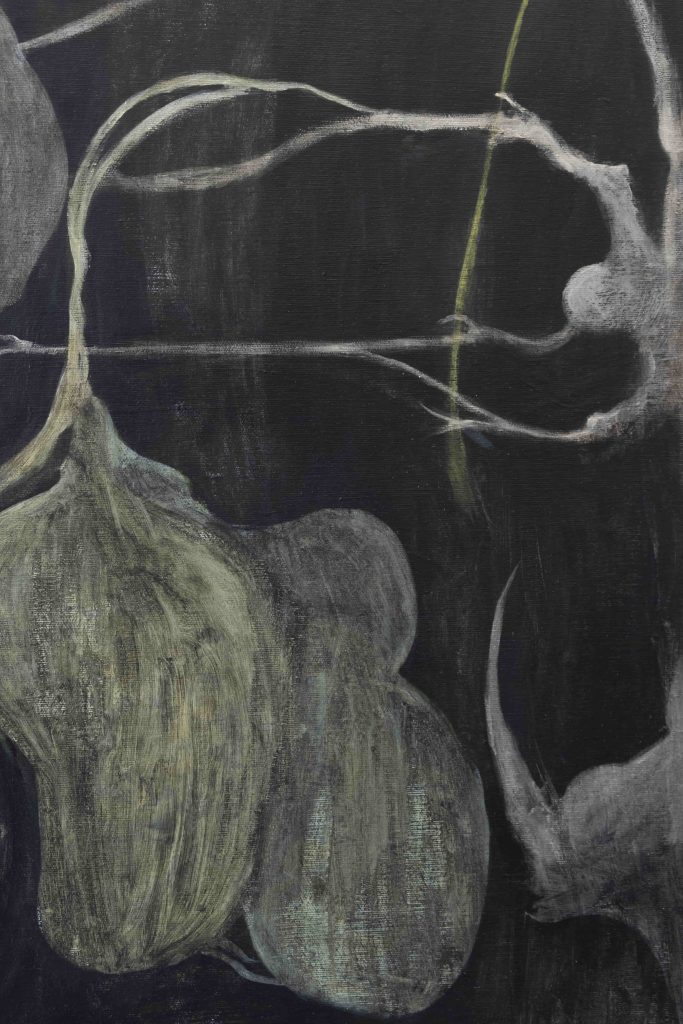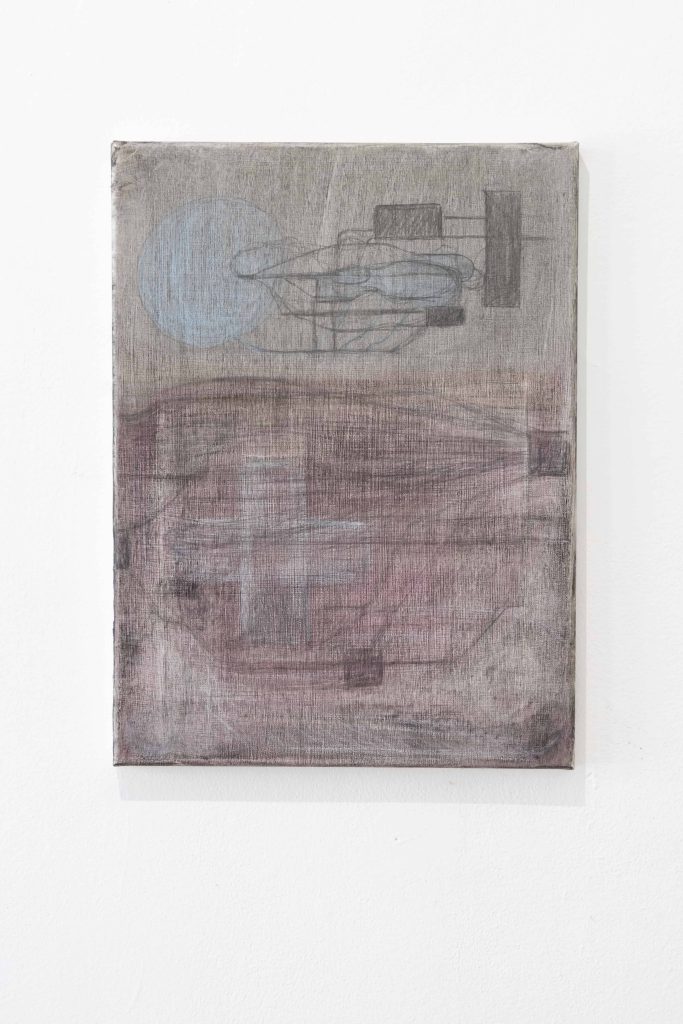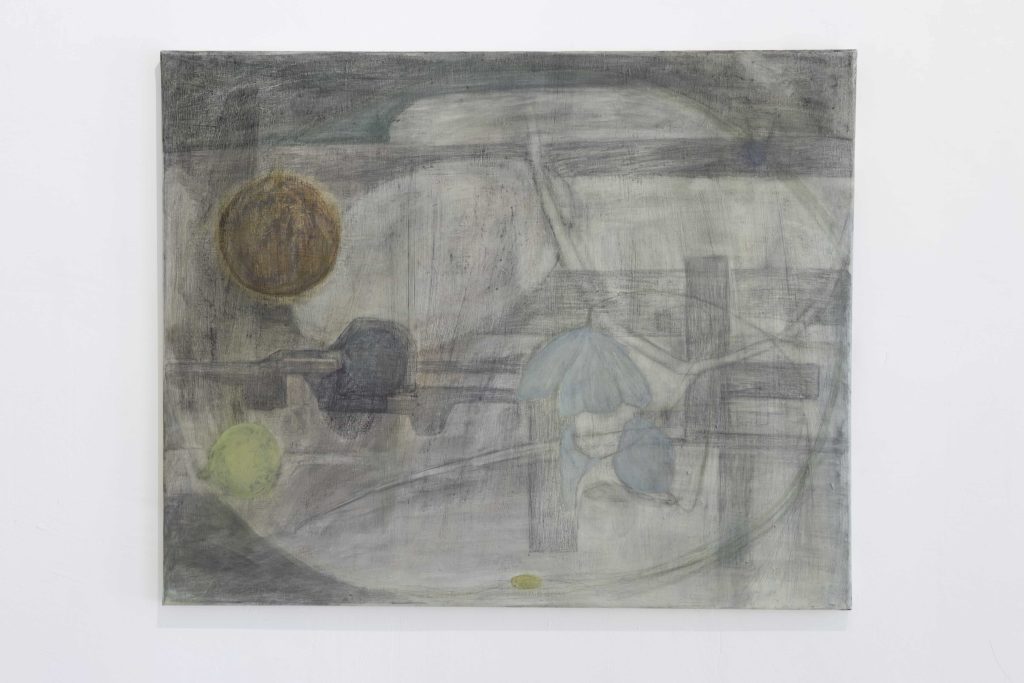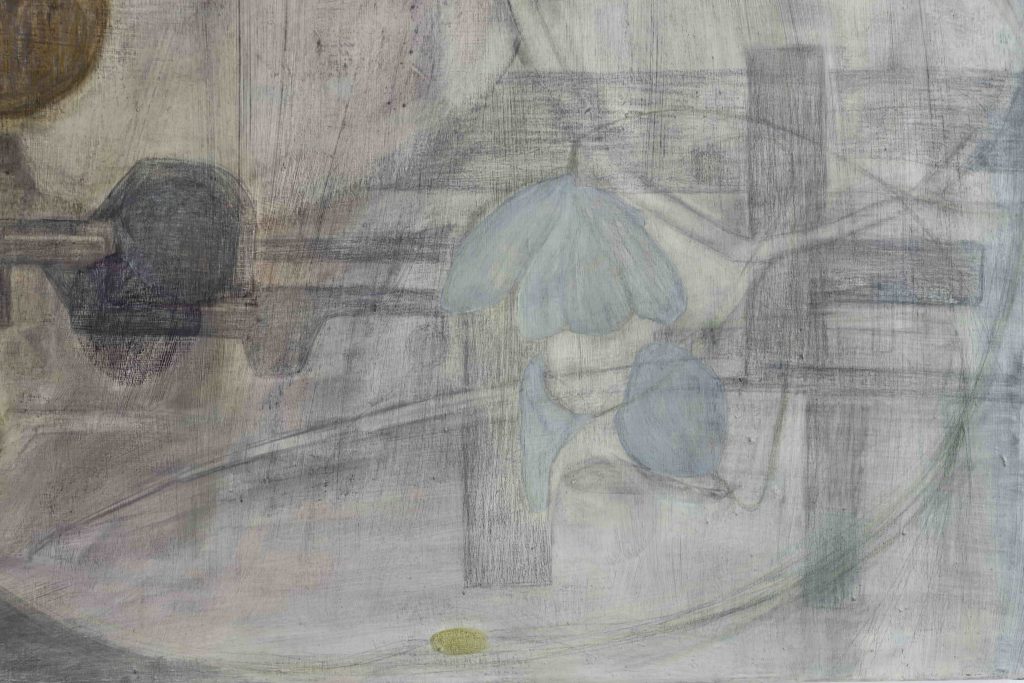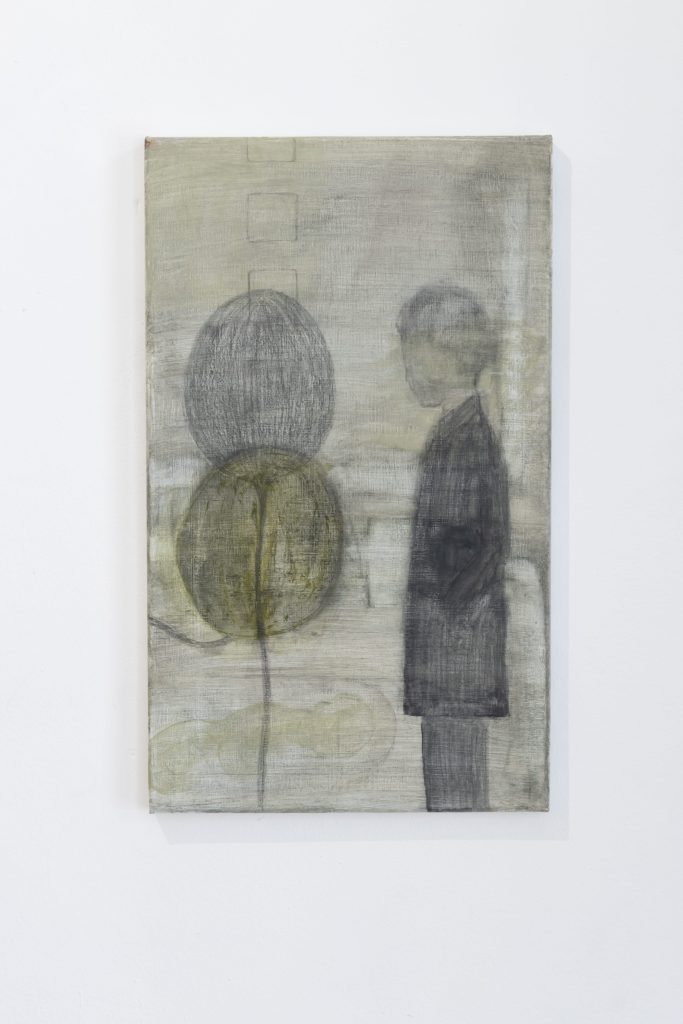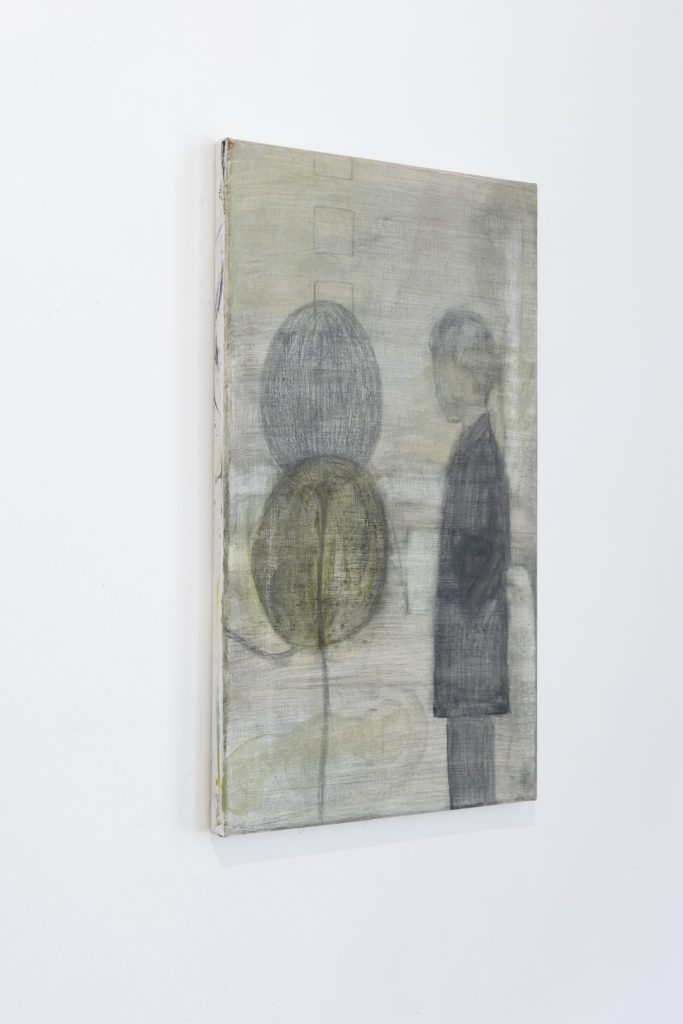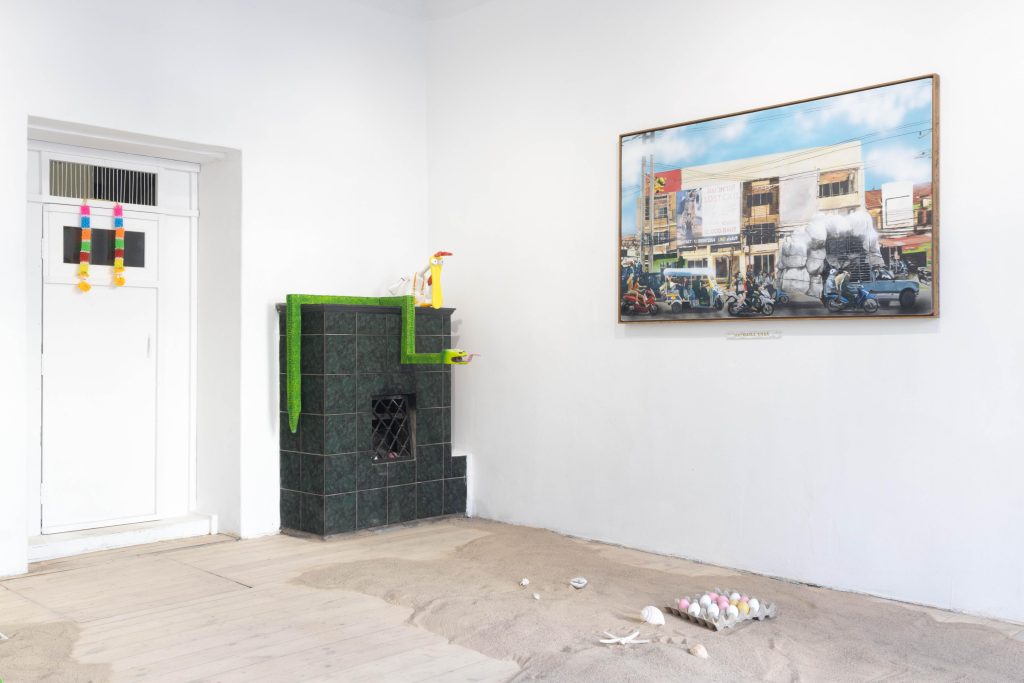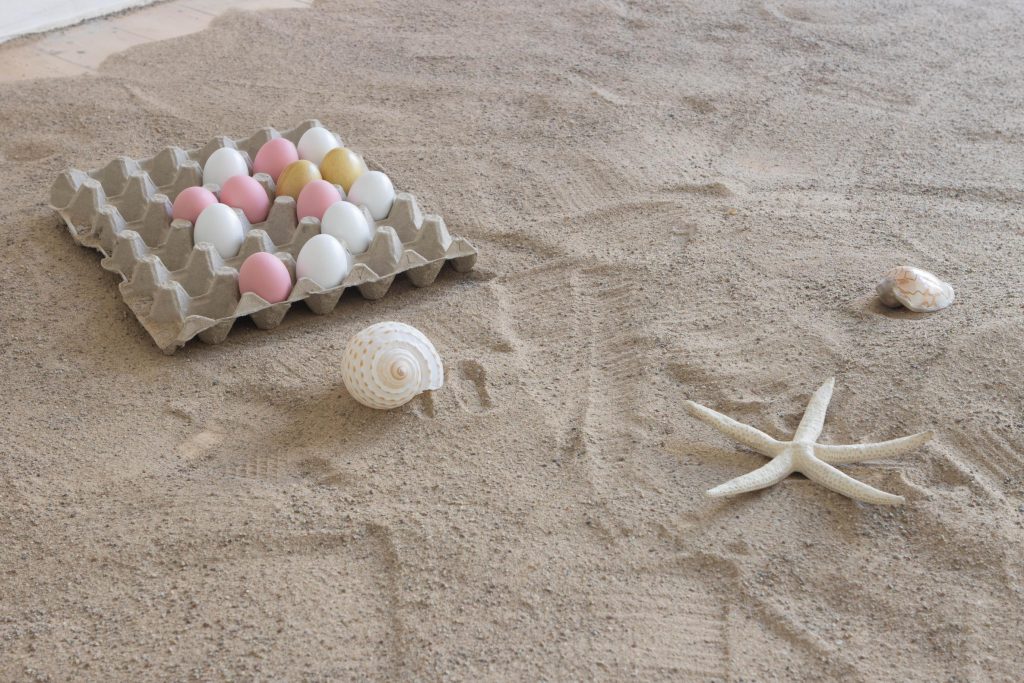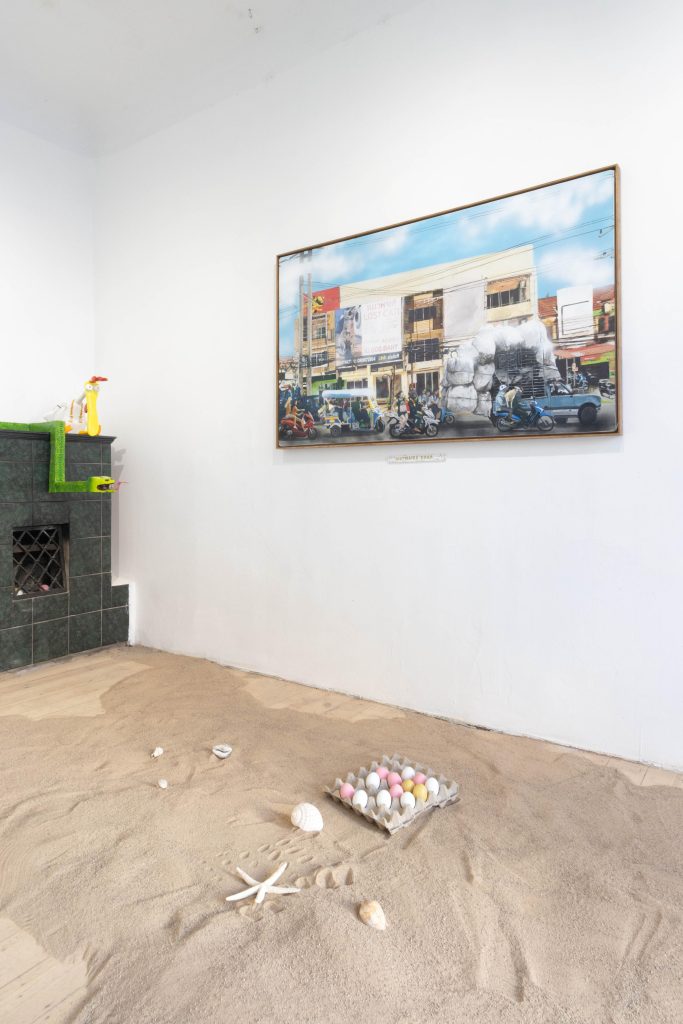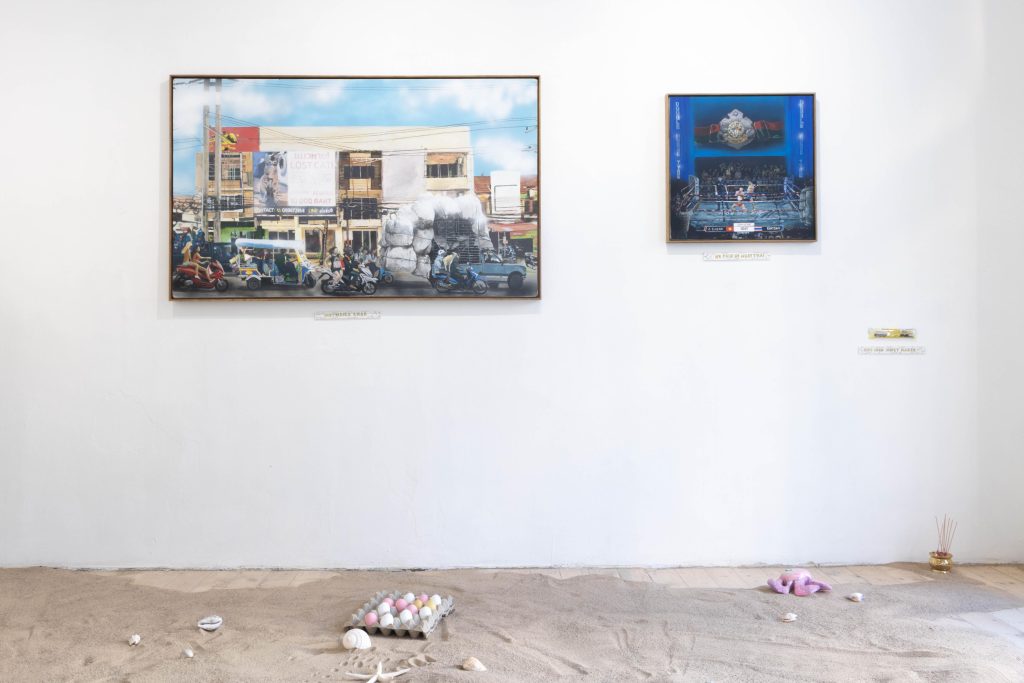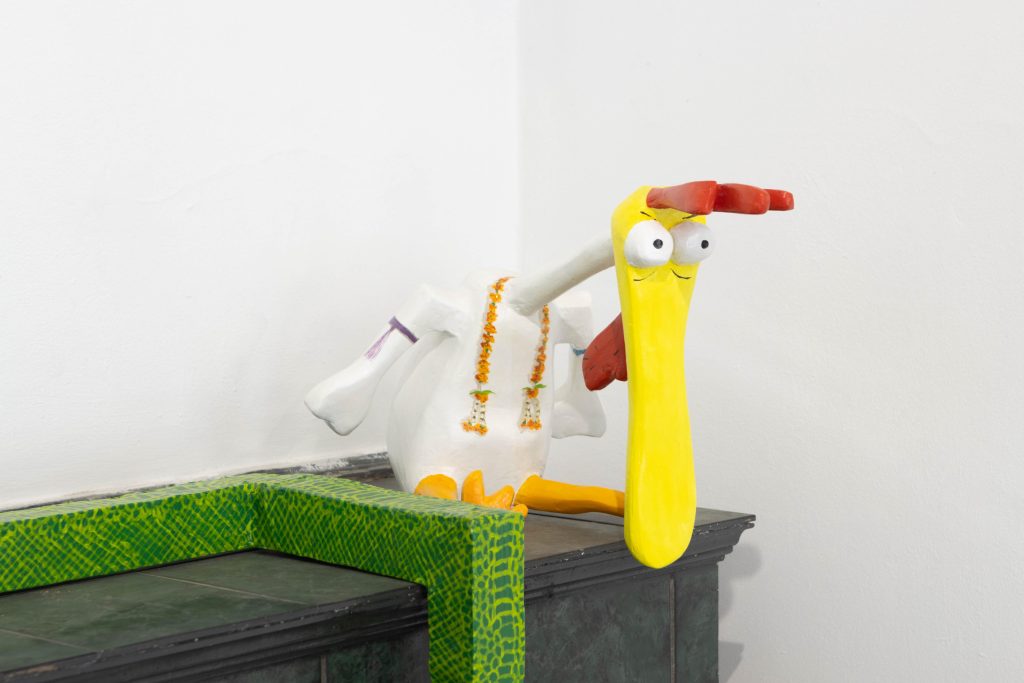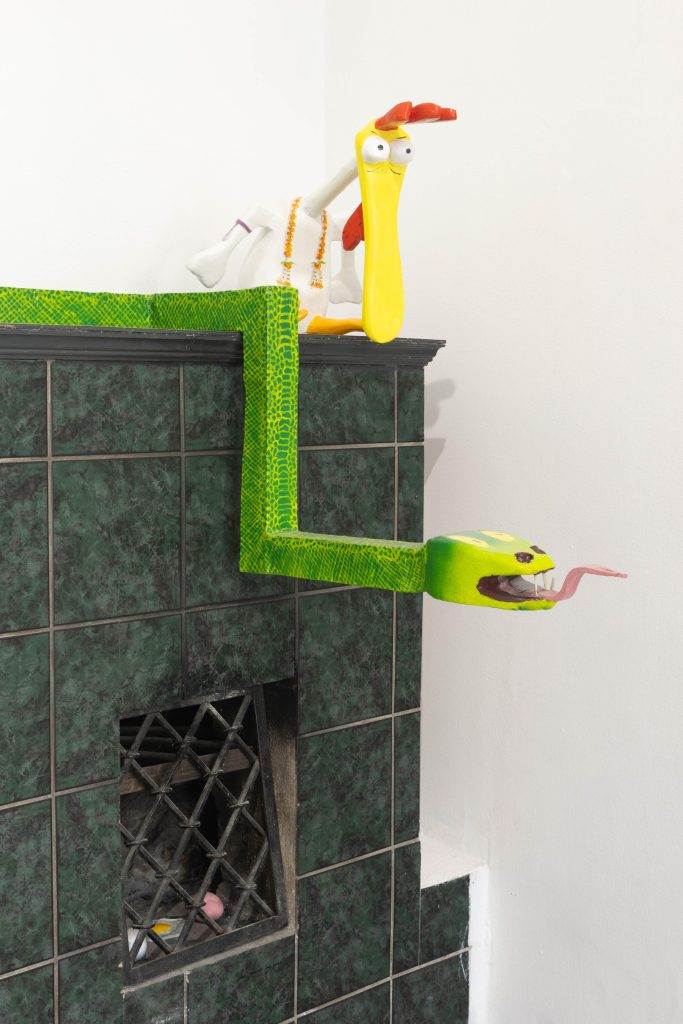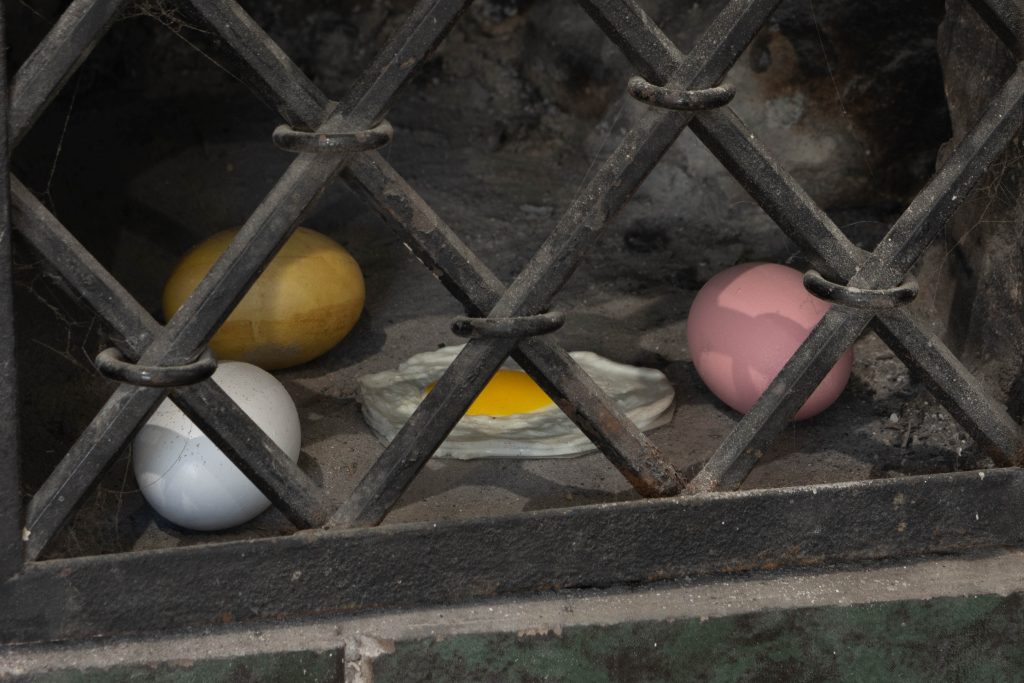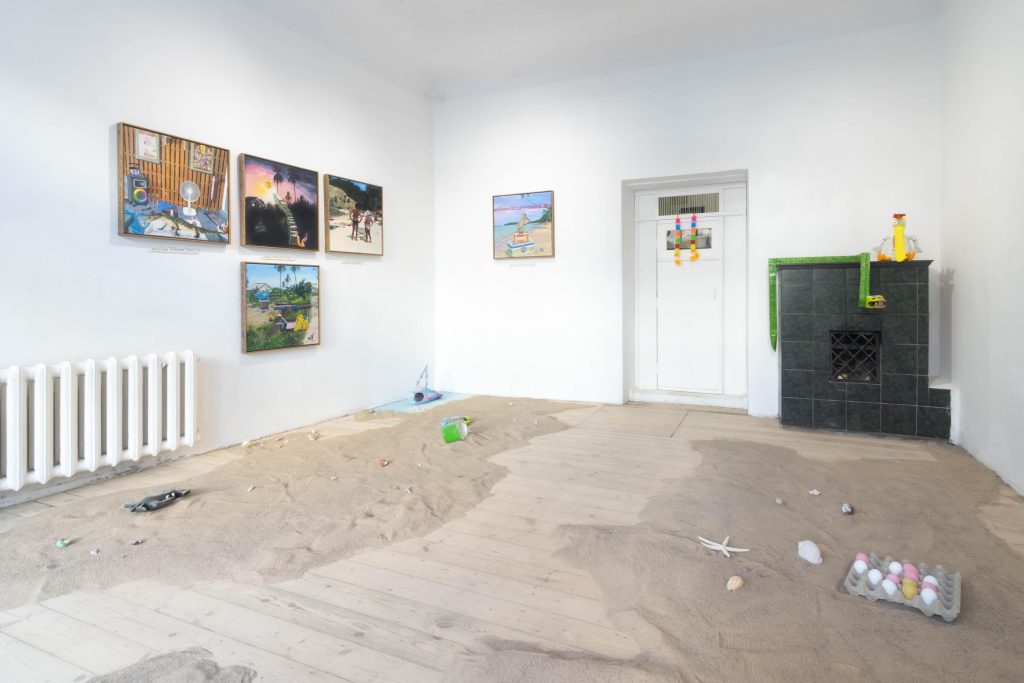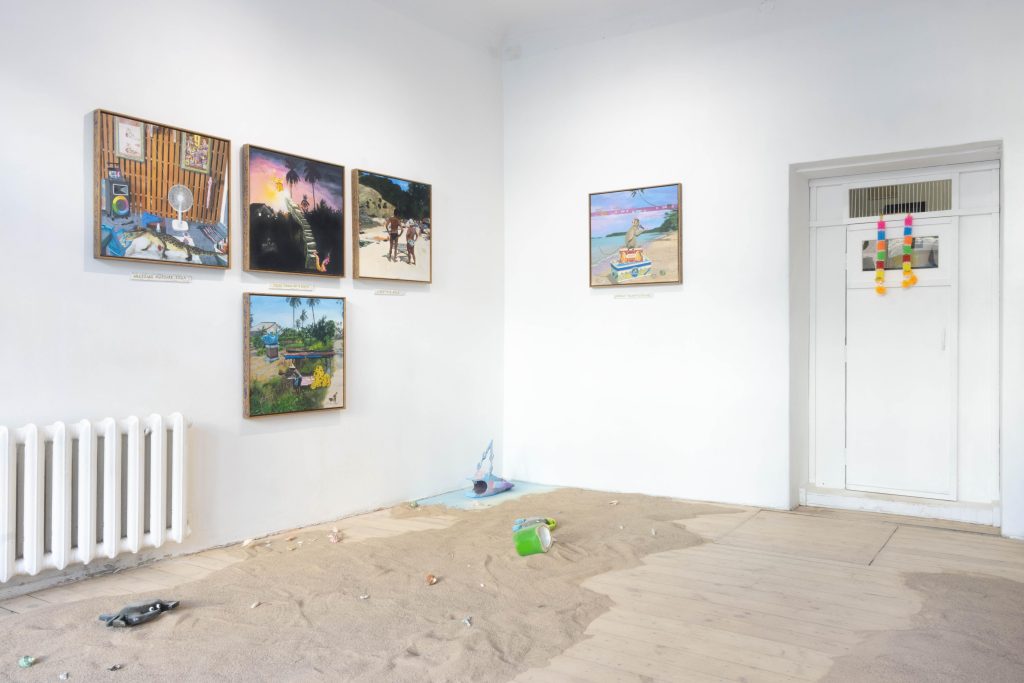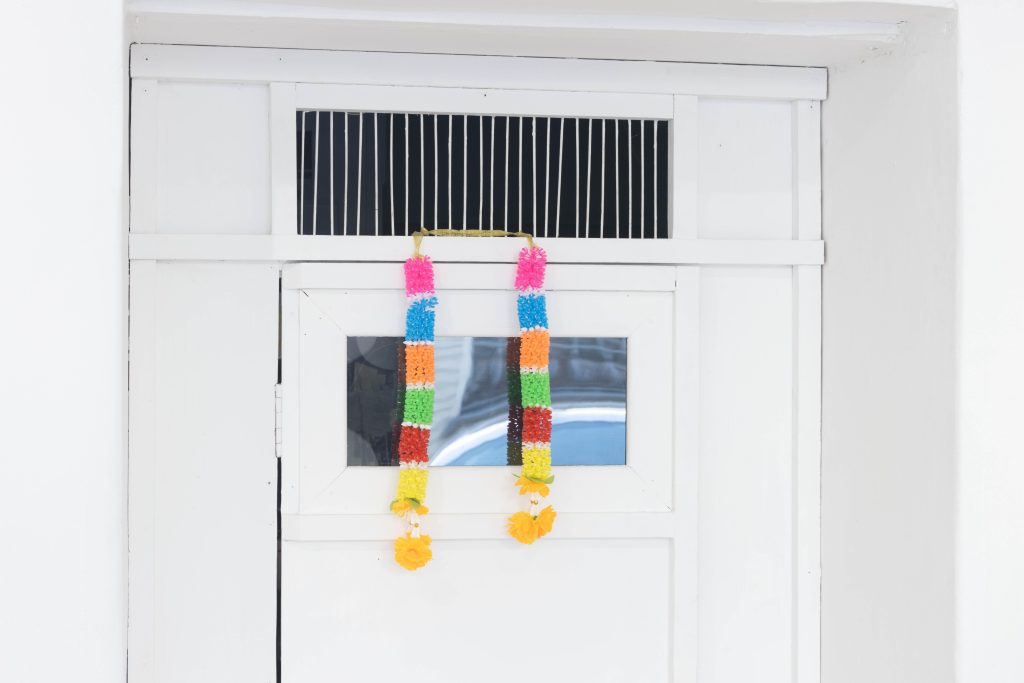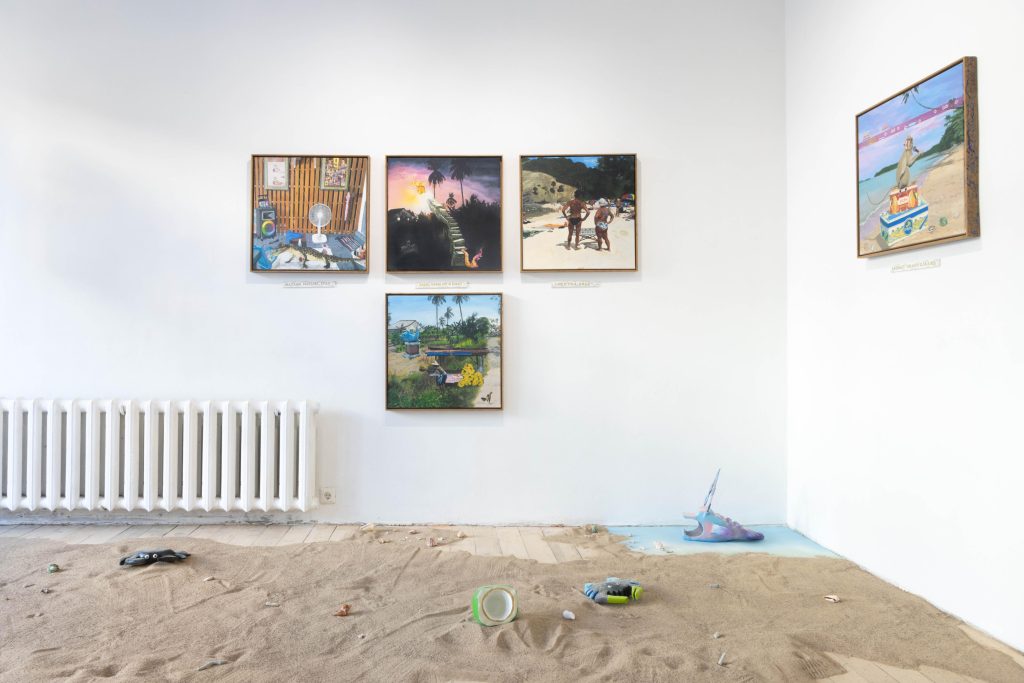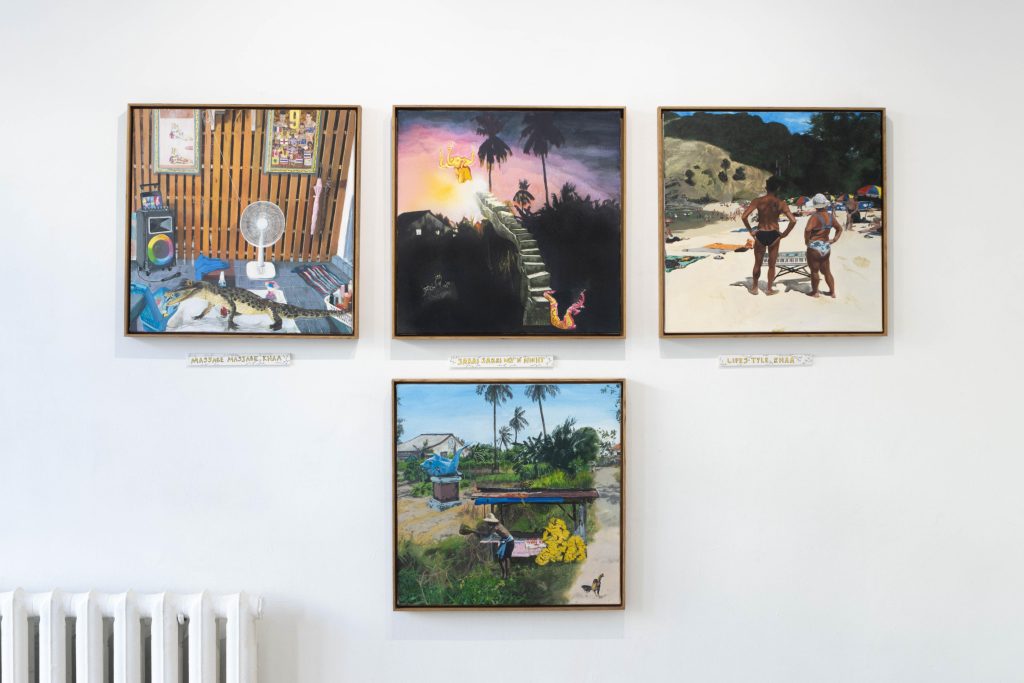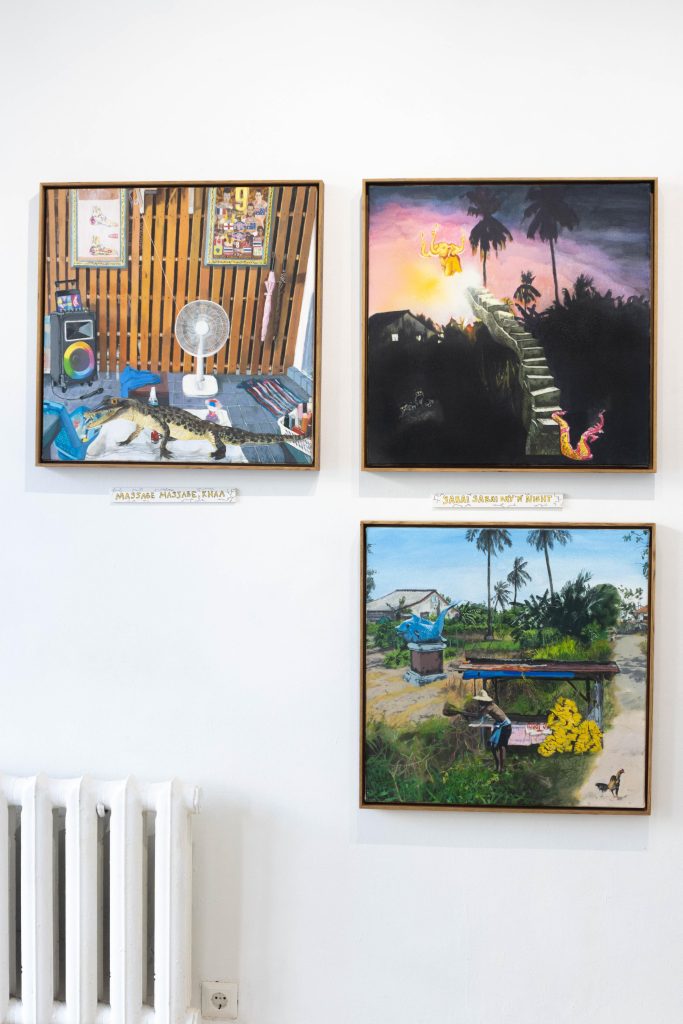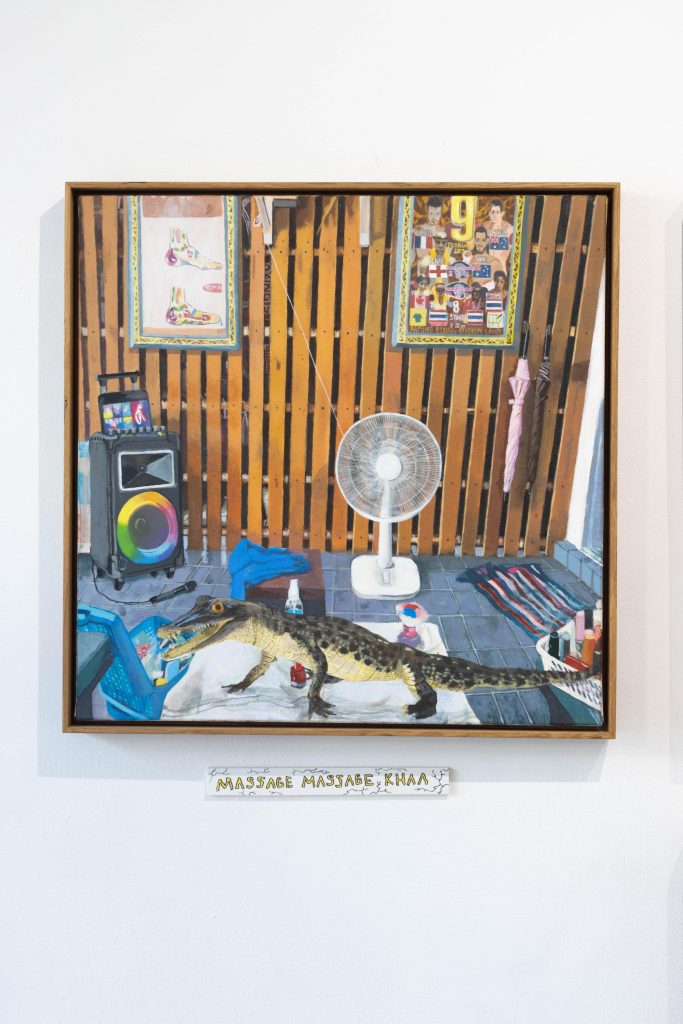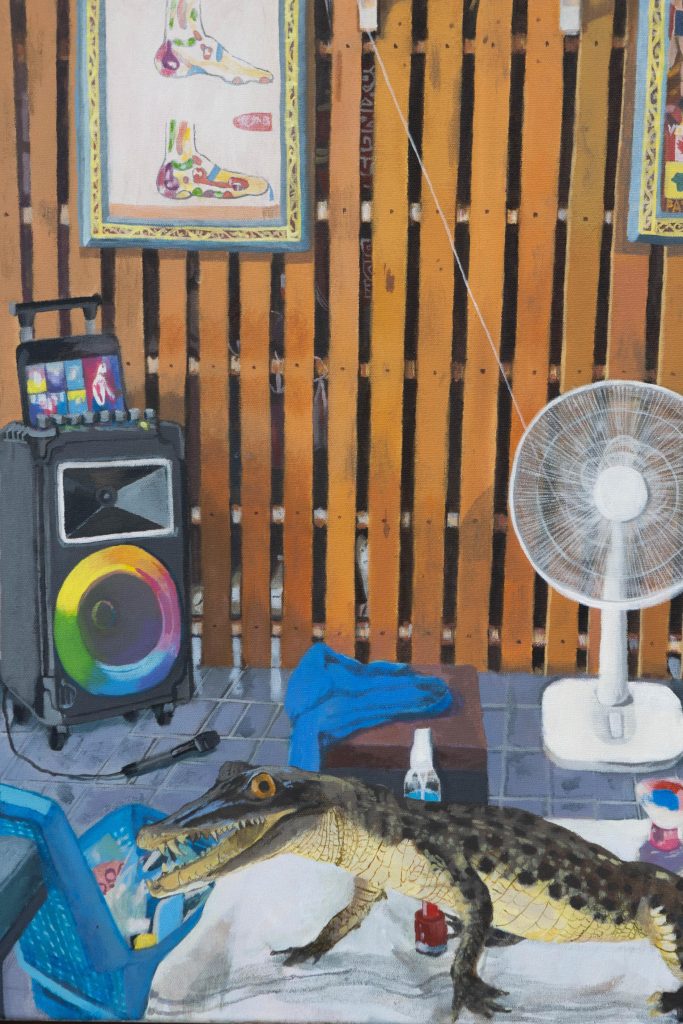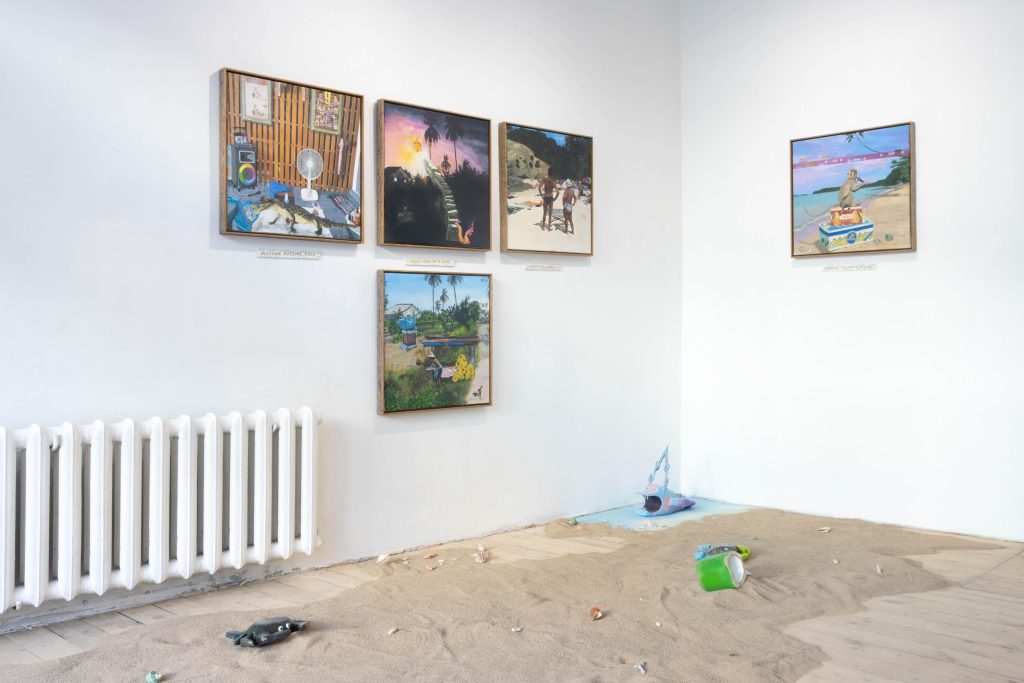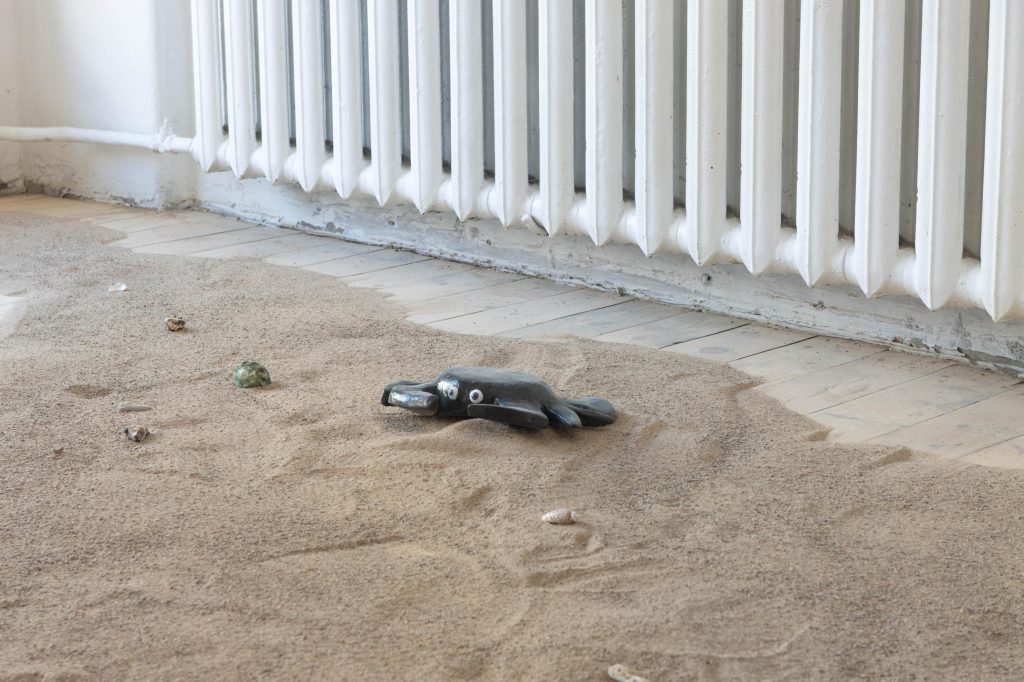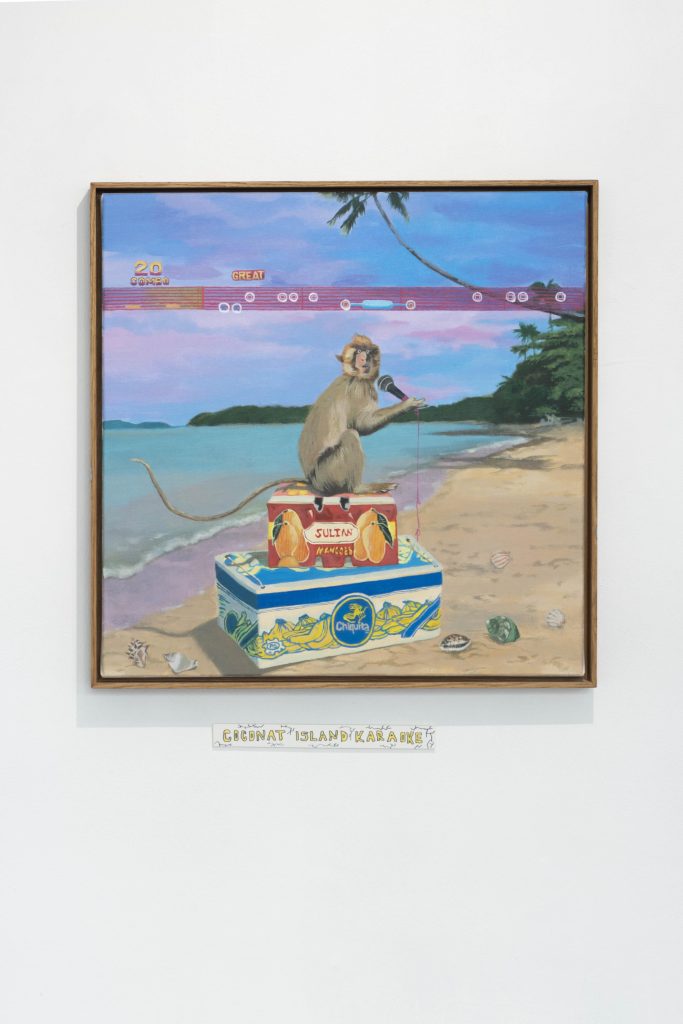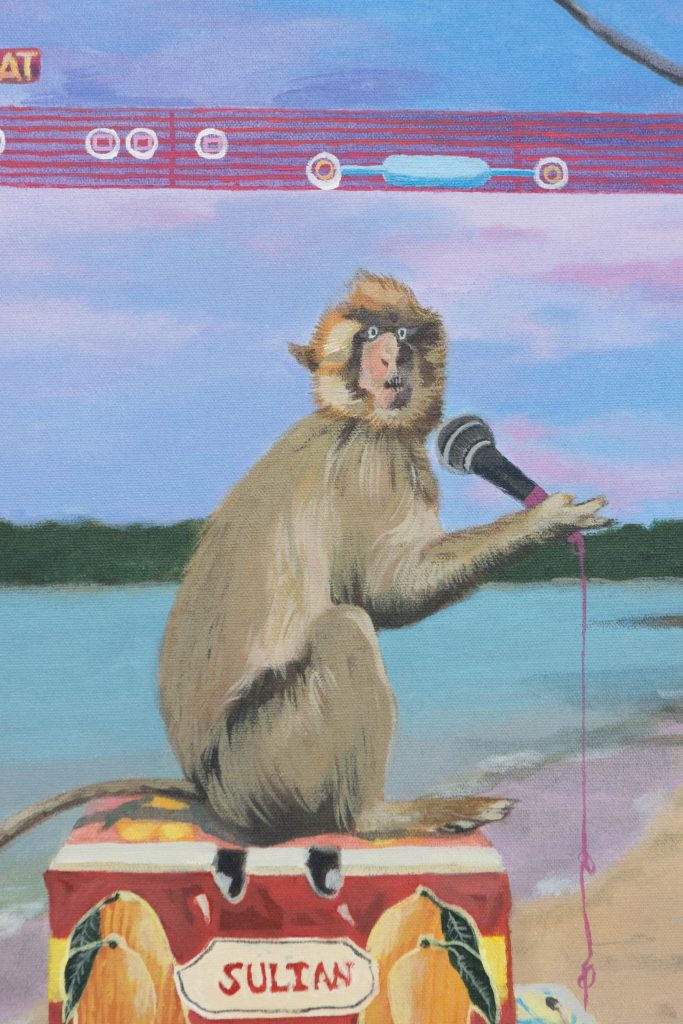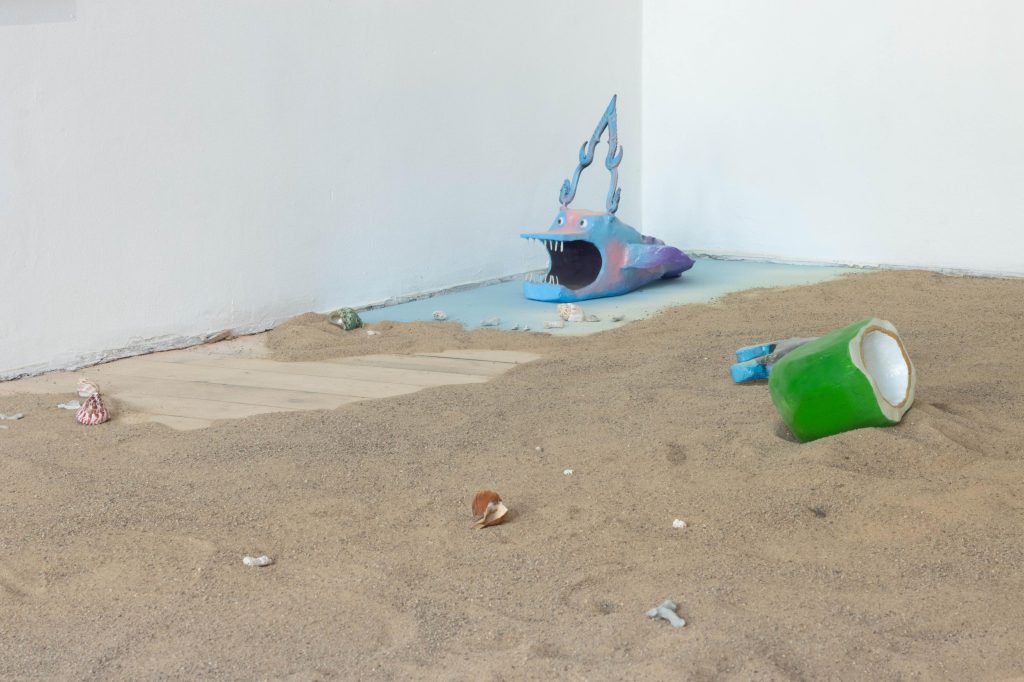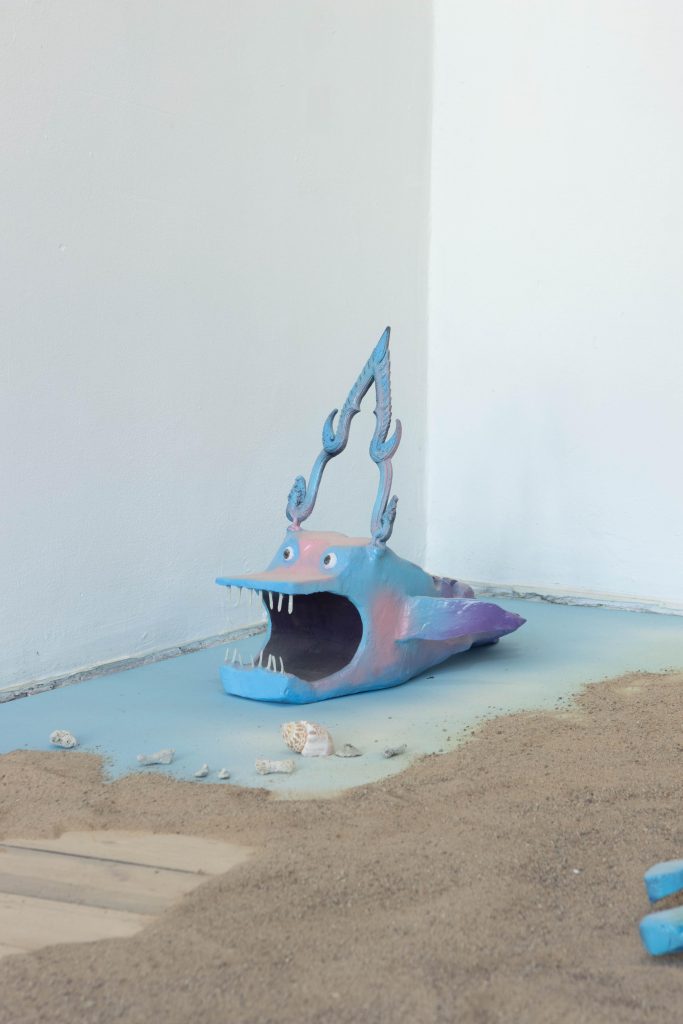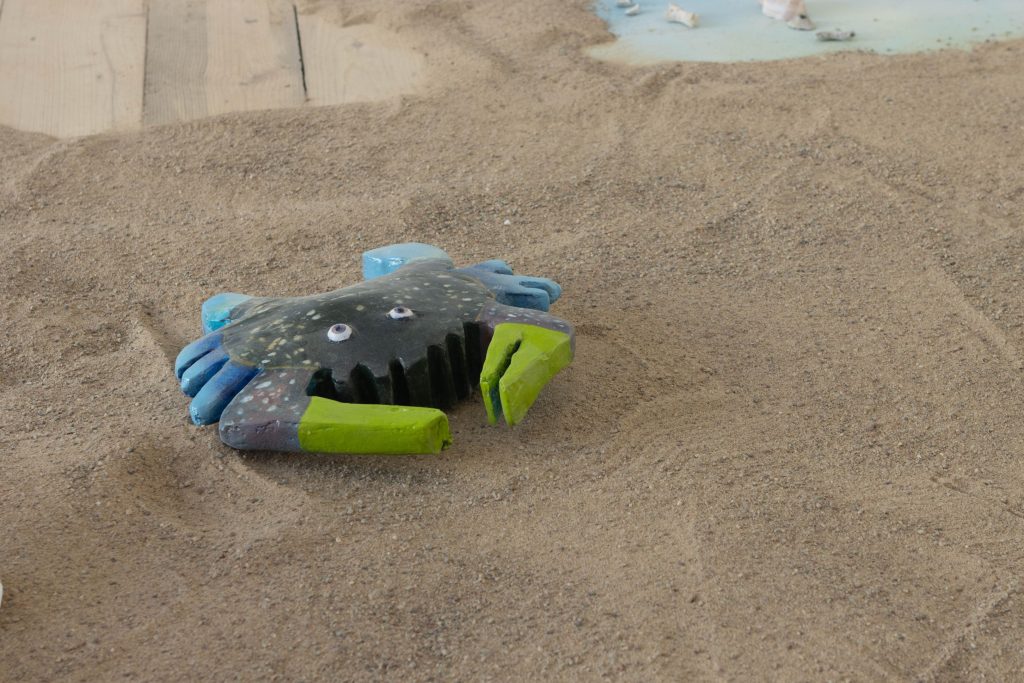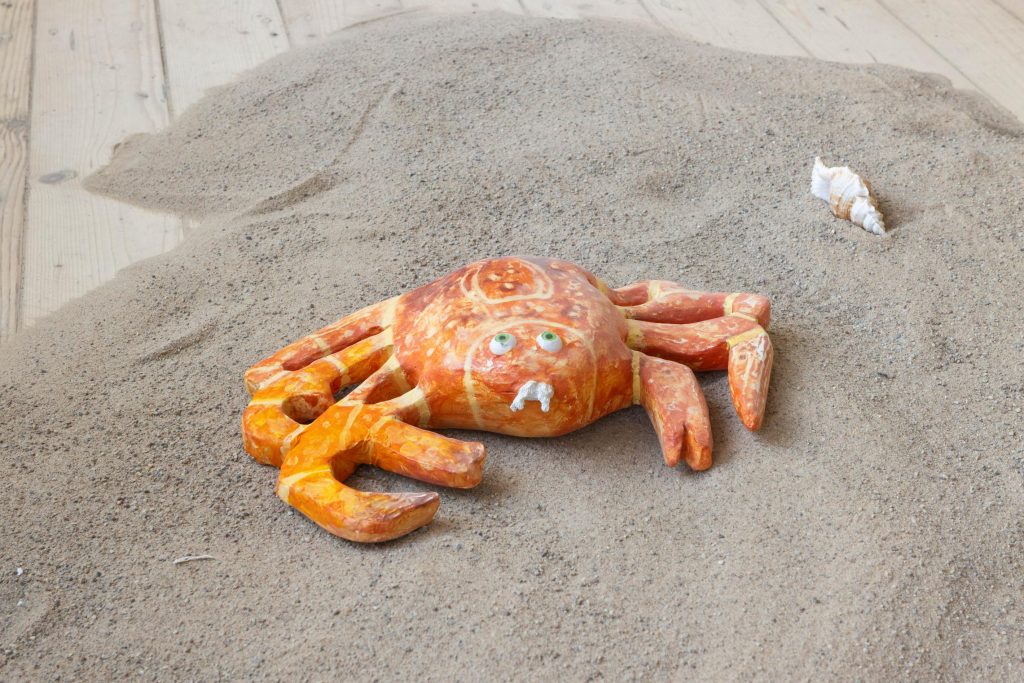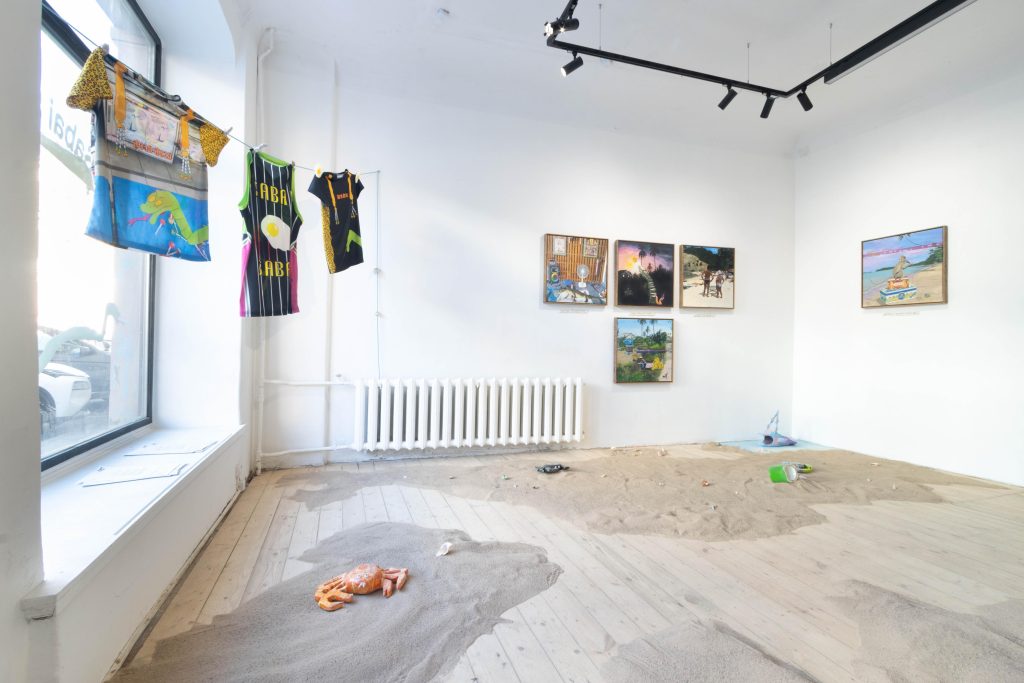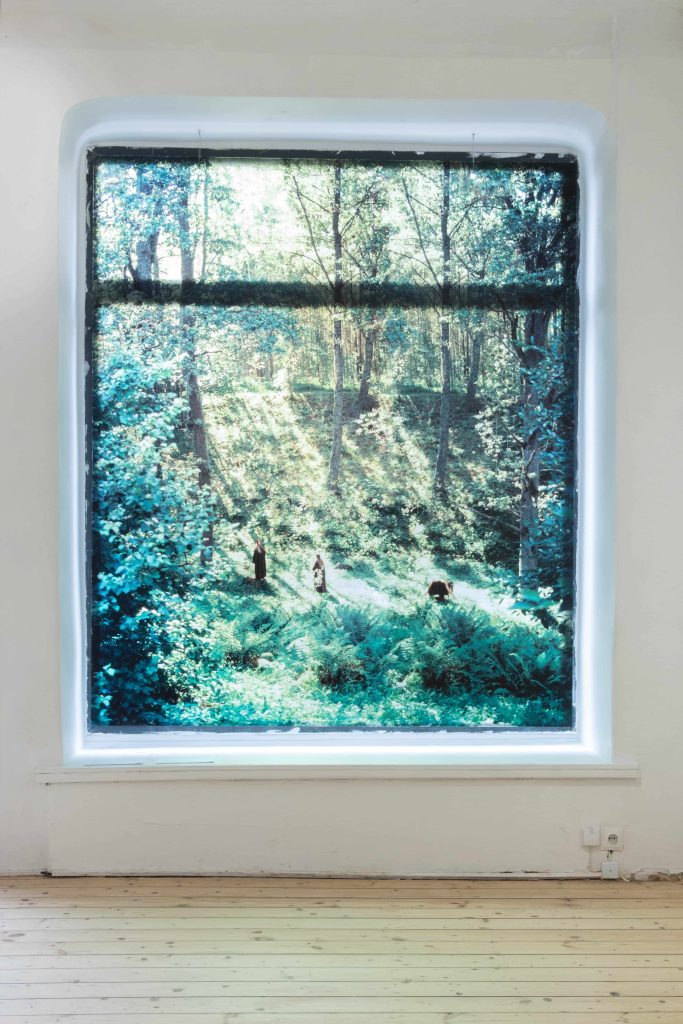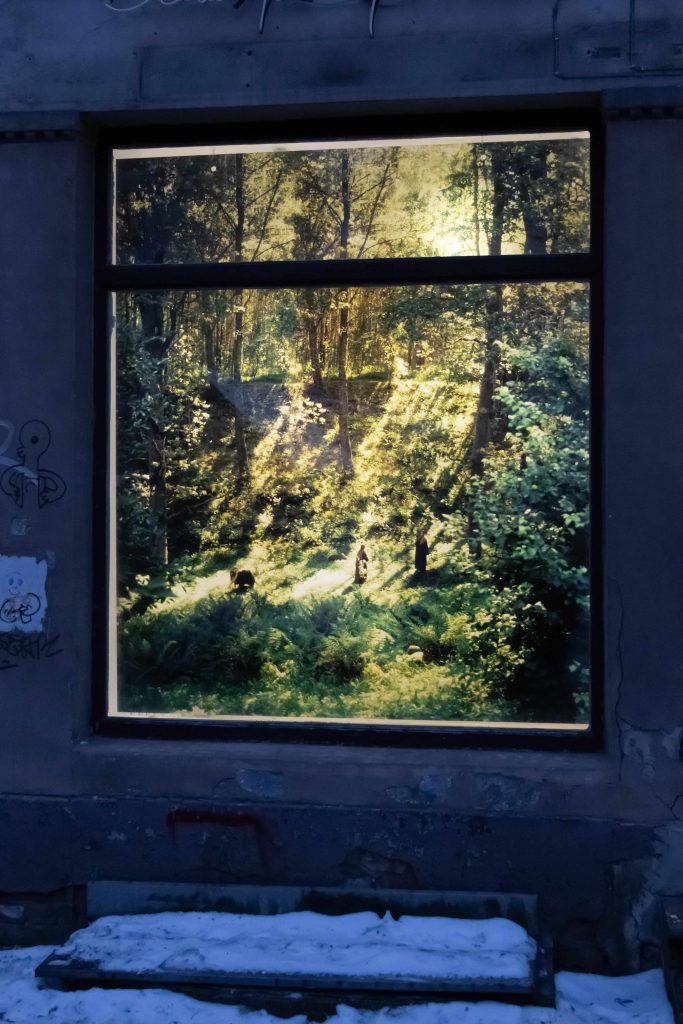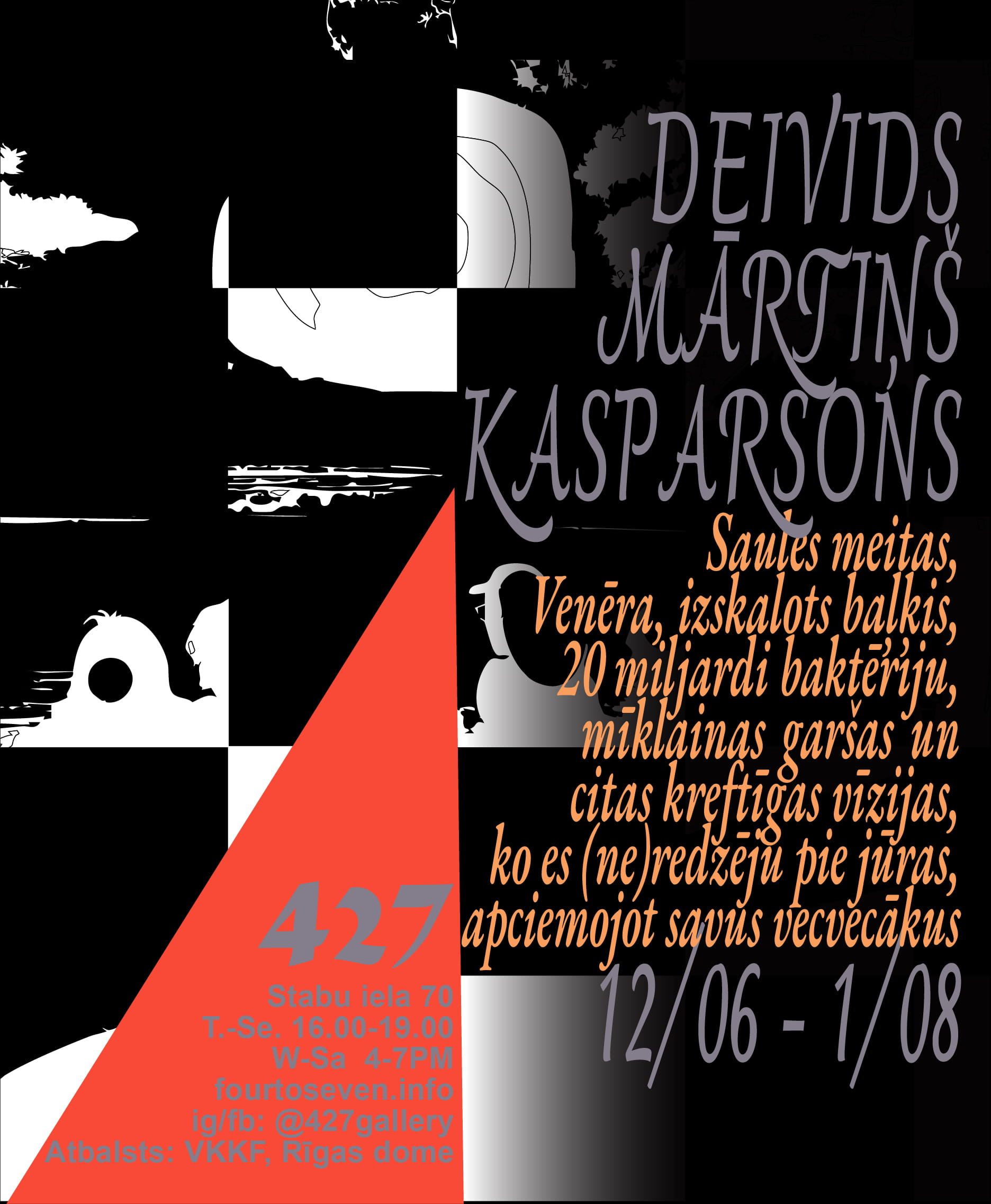
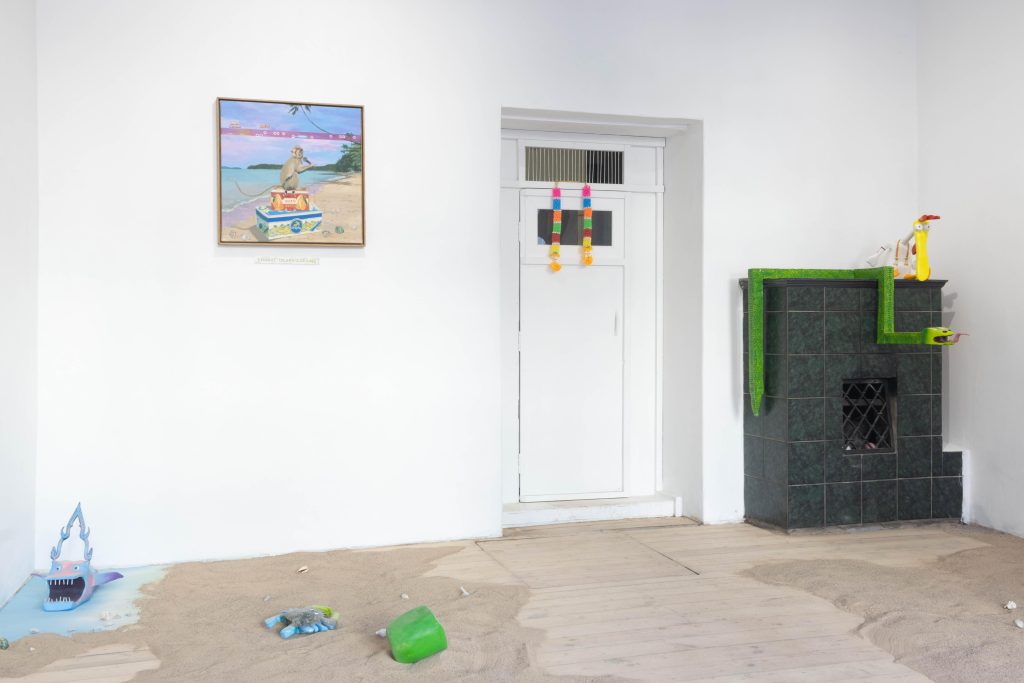
Daughters of the Sun, Venus, driftwood, 20 billion bacteria, mystery flavours and other hefty visions I(didn’t) have by the sea while visiting my grandparents

Daughters of the Sun, Venus, driftwood, 20 billion bacteria, mystery flavours and other hefty visions I
(didn’t) have by the sea while visiting my grandparents

Devids Mārtiņš Kasparsons
Curated by Kaspars Groševs un Irma Marija Tukāne
12/06 – 12/09/2026

They call it seasickness or, sometimes, motion sickness. It happens when conflicting signals
are being sent to your brain, so your body doesn’t really know whether it is moving or not. It
is always worse when you are not moving, but think that you are. Smug and pompous, you
bare your teeth at others, so sure you are making progress. Turns out, you’re drifting in the
sea. What a shame. Anyway, the only ailment I would call seasickness is being far away
from it. Sometimes, I travel by bus and I hate it. Once, I traveled for three days, from
Stockholm to Copenhagen on a yacht. No mermaid in sight, but I threw up as soon as I set
foot on land ho!


In a dream, the sea is only knee-deep. Not exactly. It would probably go deeper than that,
but I would not sink further. Still vast, just not deep. I decide to walk to the point where the
sky touches the sea. I would be the second boy to ever manage it. And it ended so well for
the other guy, too. So, I just walk, and I pass buoys, seagulls and drowned idiots who went
swimming during storms. But I don’t have time to chat with them, because I have places to
be. As I am about to caress the horizon with my fingertips, I wake up. It is grandma.


She has fried up potatoes with onion. There is cucumber salad on the side. I am supposed
to go find dill. Apparently from the garden, but I joke that I will look for it amidst the seaweed.
She calls me an idiot. That is fair. It will be a long summer, but a long summer always trumps
extended winter. I tell grandma we will not be able to use the dill for lunch, because I will
need to glue it on my painting to get the right hue for the horizon. She calls me an idiot the
second time. She says it lovingly.


Yesterday I decided to go see my own exhibition. I came here by bike. The city reeked and I
didn’t like what they had done with the place. There is a remarkable lack of places where
you can get dill for lunch, which is absurd in June. Having lamented my misfortune, I went
outside only to find my bike missing. I swear I didn’t come here by boat. I will have to take
the bus. If I walk, I will not get back to sea quickly enough.


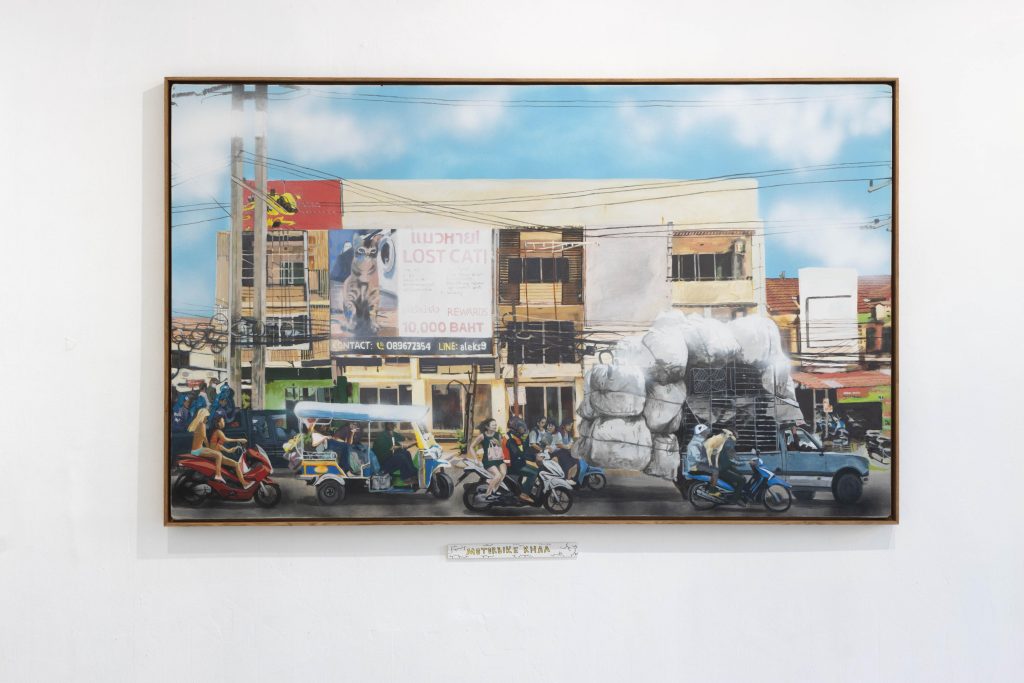
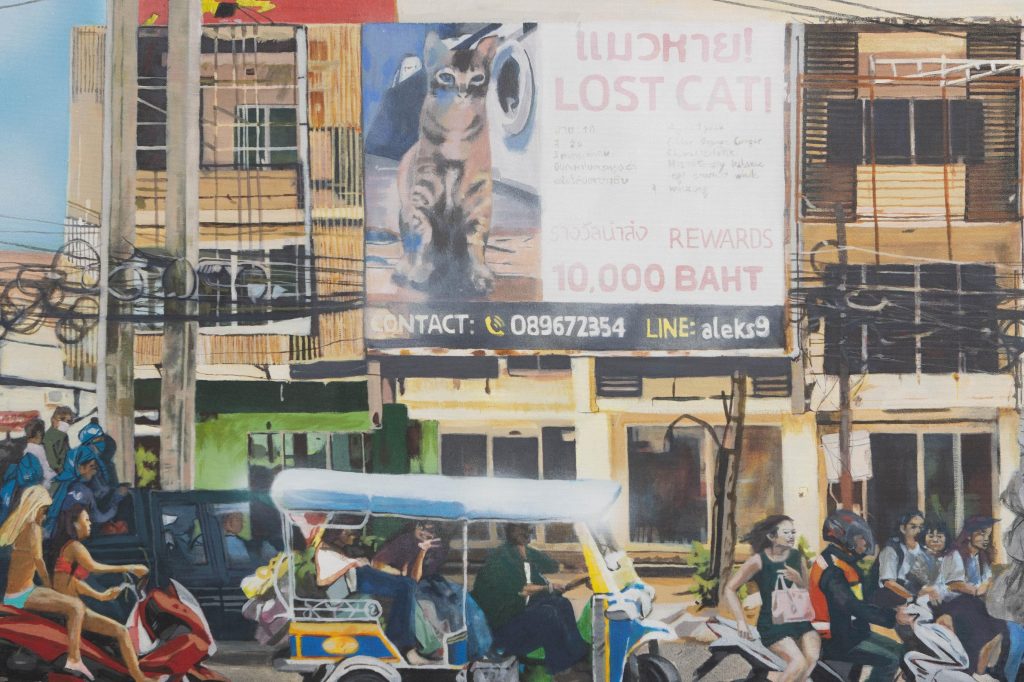
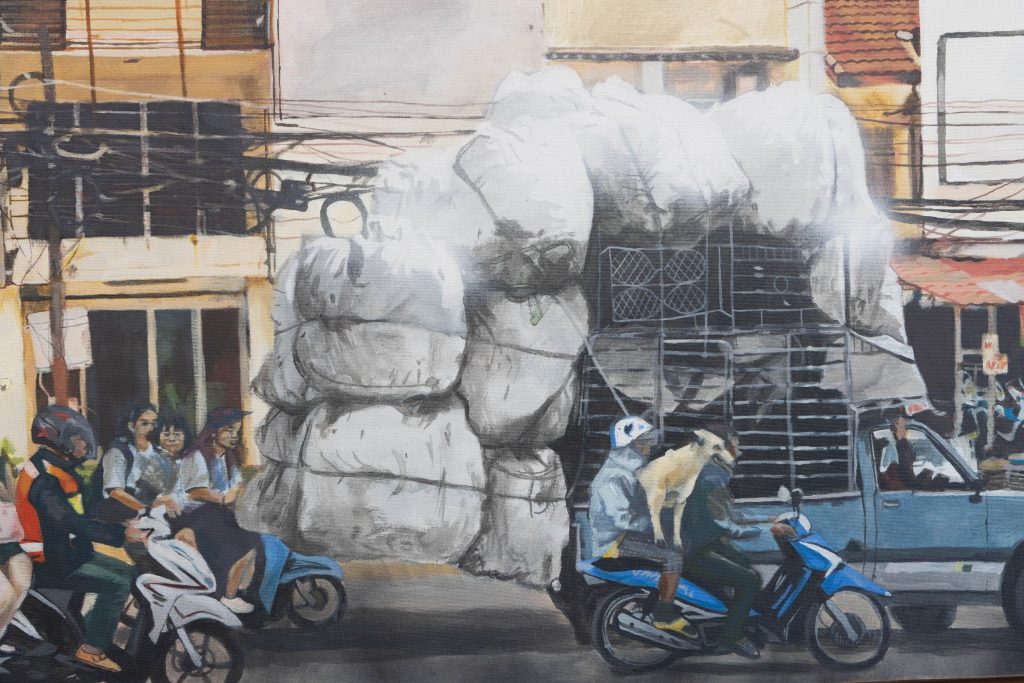
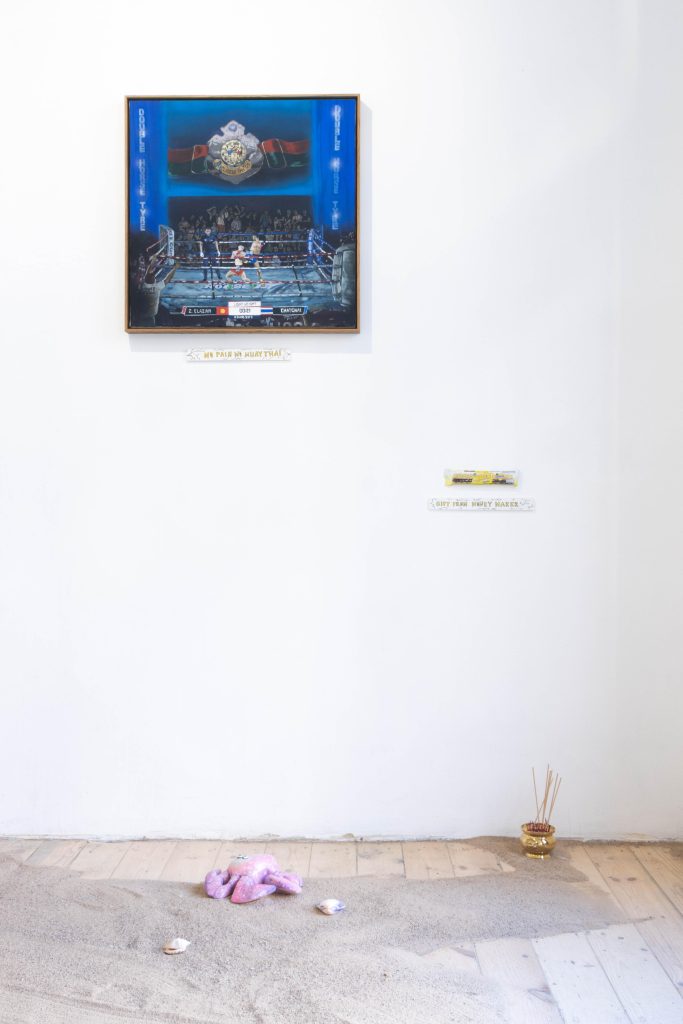
Deivids Mārtiņš Kasparsons (Riga/Copenhagen), born in September 2001, is a painter. After
graduating from the Royal Danish Academy, Kasparsons has returned to Latvia and
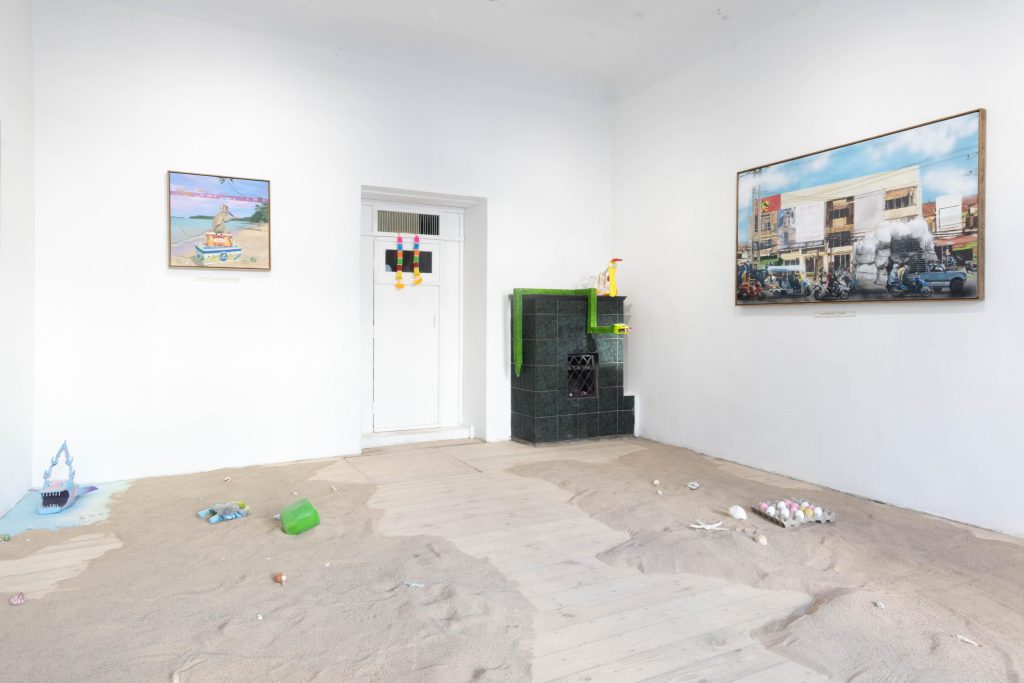
operates from Zvejniekciems. Daughters of the Sun, Venus, driftwood, 20 billion bacteria,
mystery flavours and other hefty visions I (didn’t) have by the sea while visiting my grand
parents is the artist’s first solo exhibition that has been carefully calibrated to foreground a
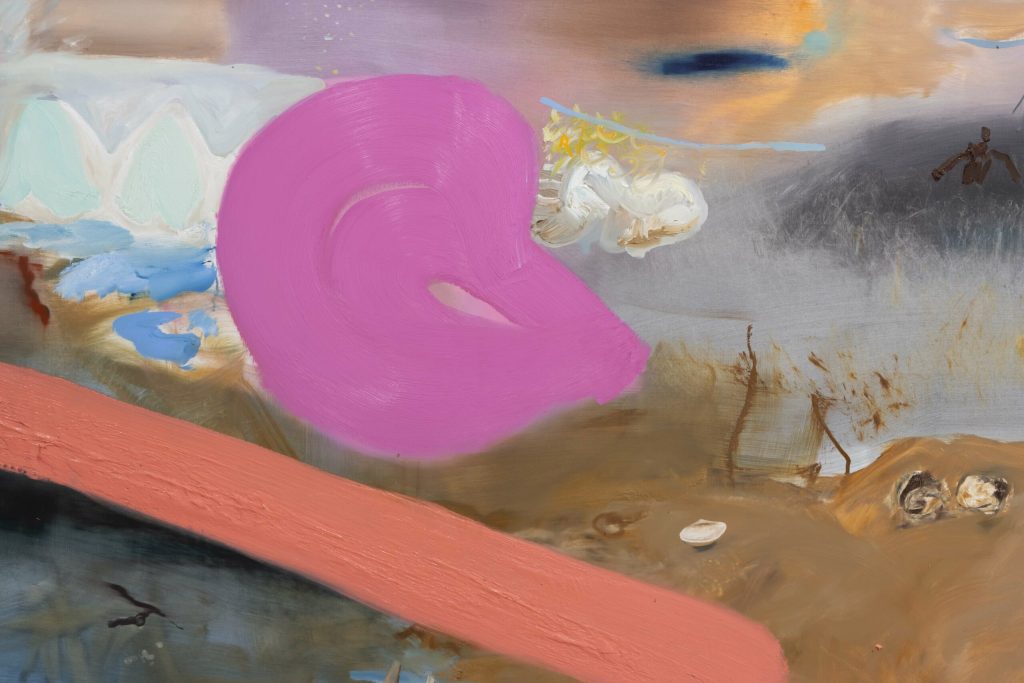
visceral and unapologetic expression of self. Kasparsons claims the sea is his leitmotif and
refers to himself as a “common water strider”. His contemporary landscapes challenge
realism’s authority of the world we inhabit.


Text author: Irma Marija Tukāne

Support: VKKF (State Culture Capital Foundation), Riga Municipality
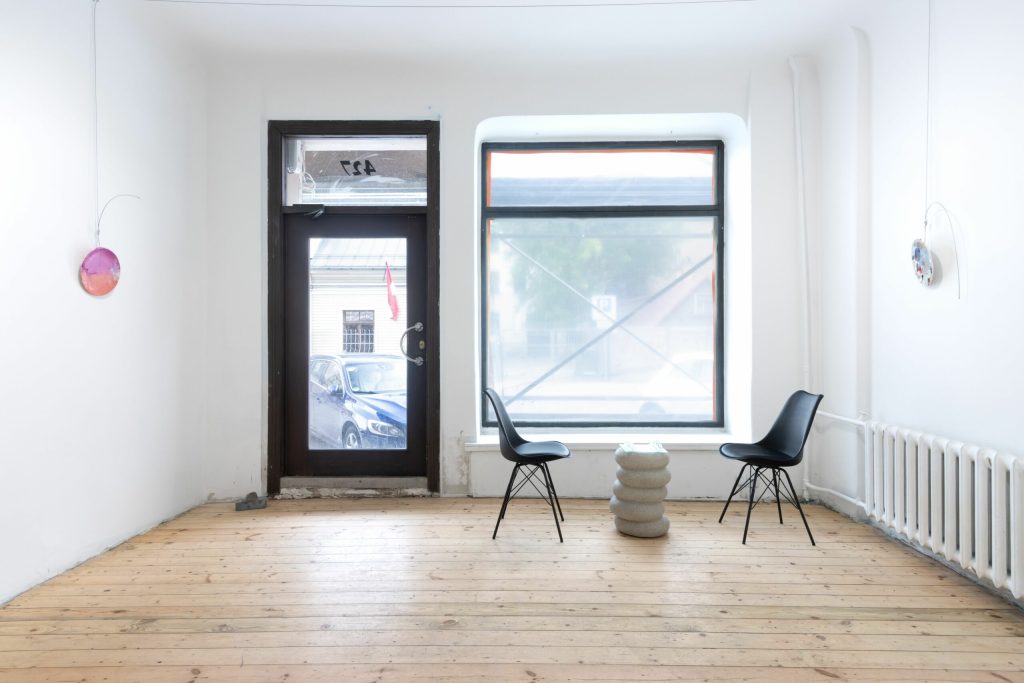
Photos: Līva Priedīte

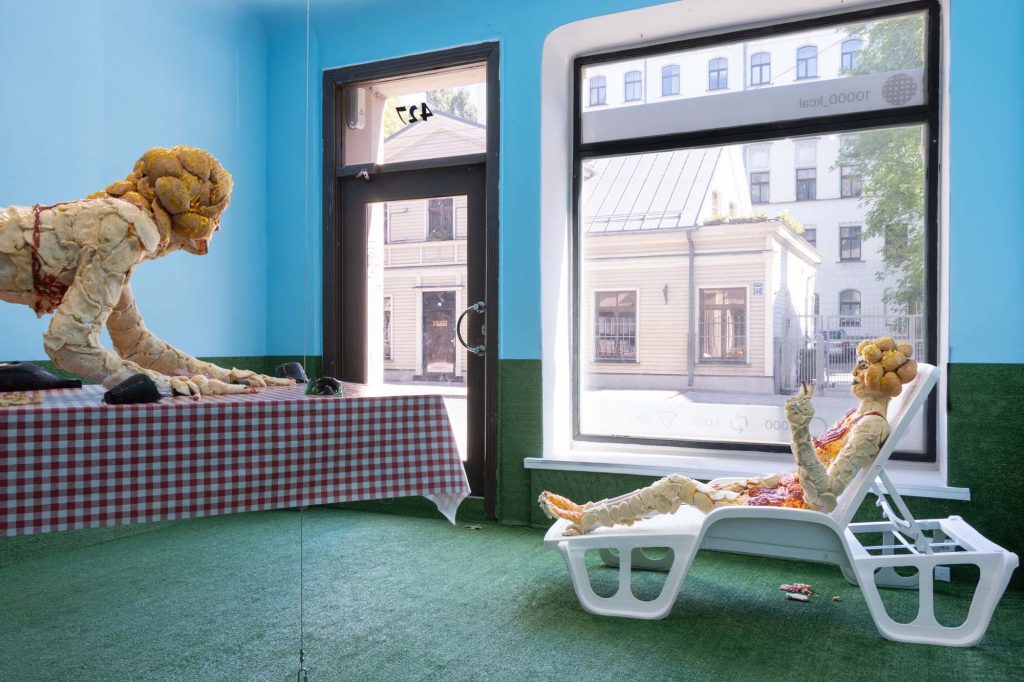
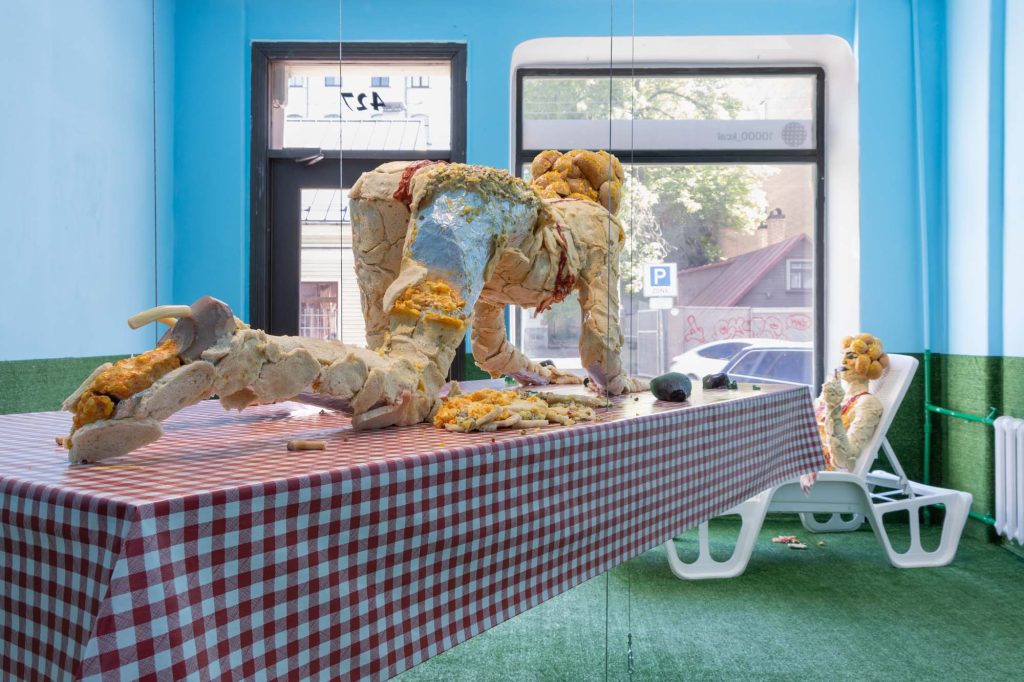
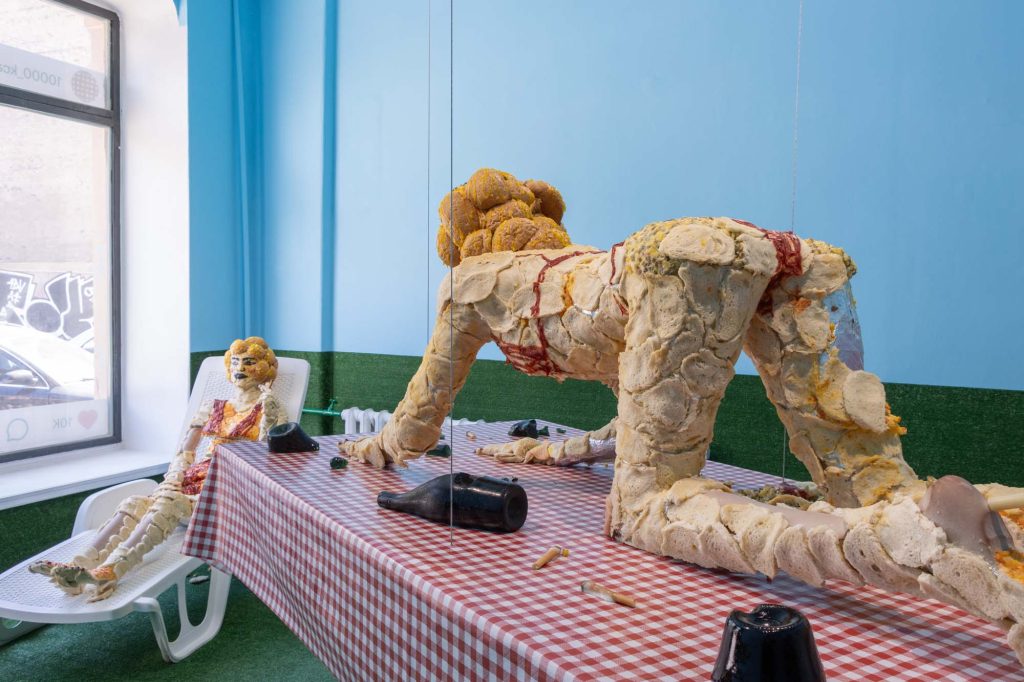
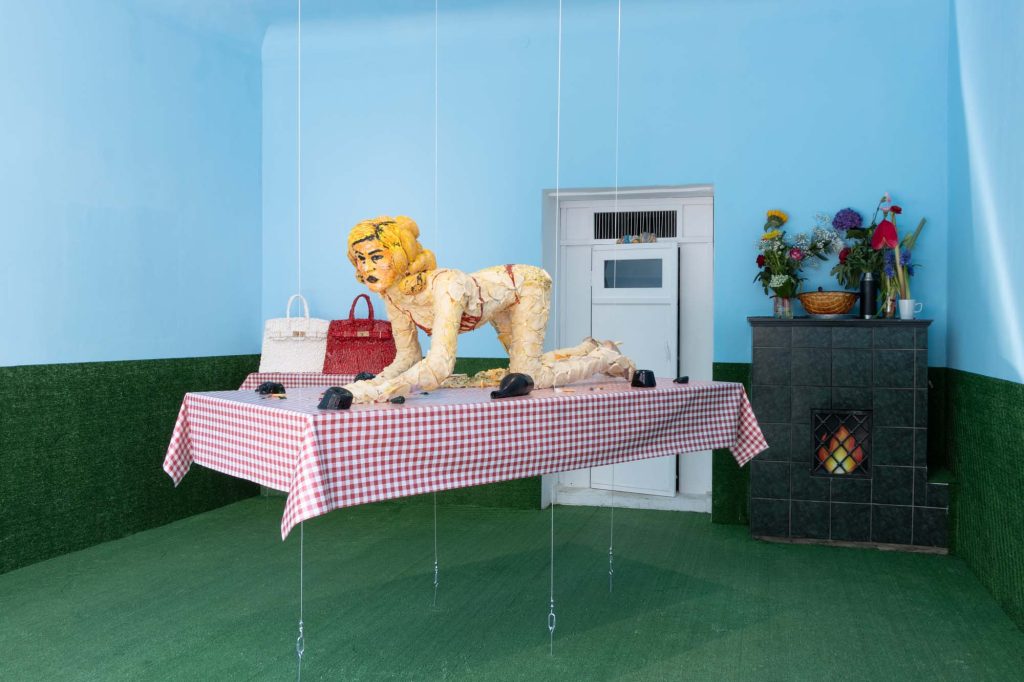
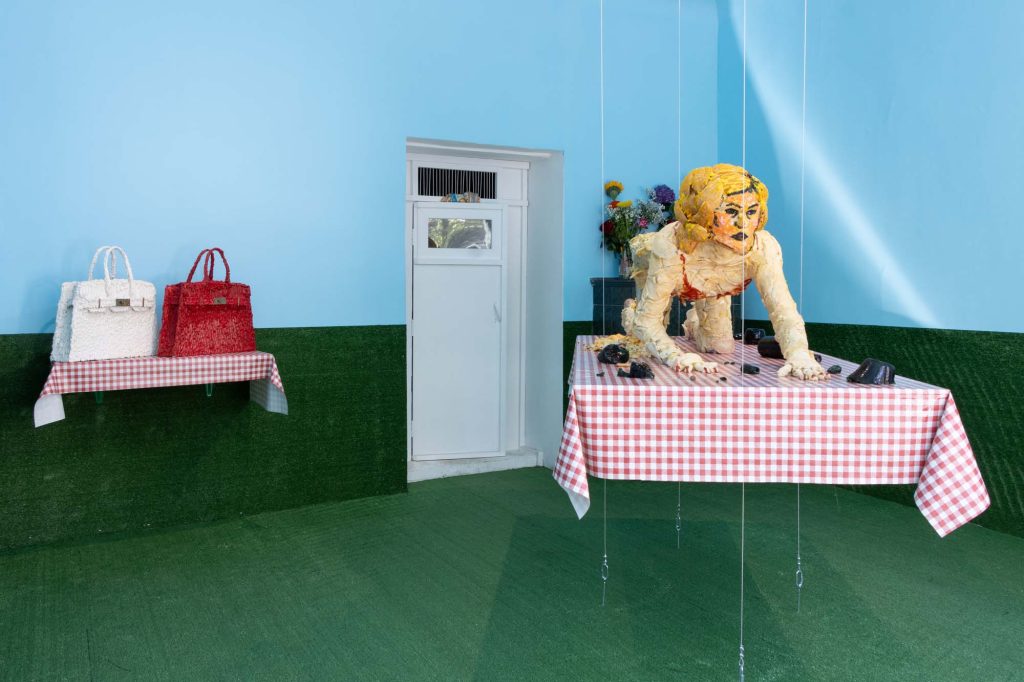
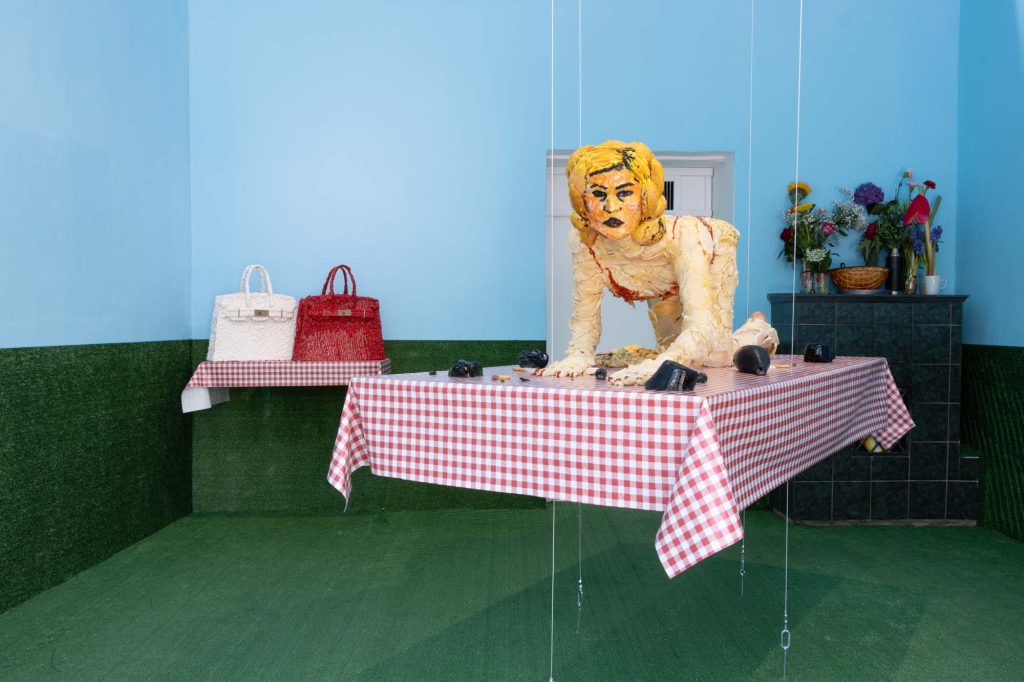
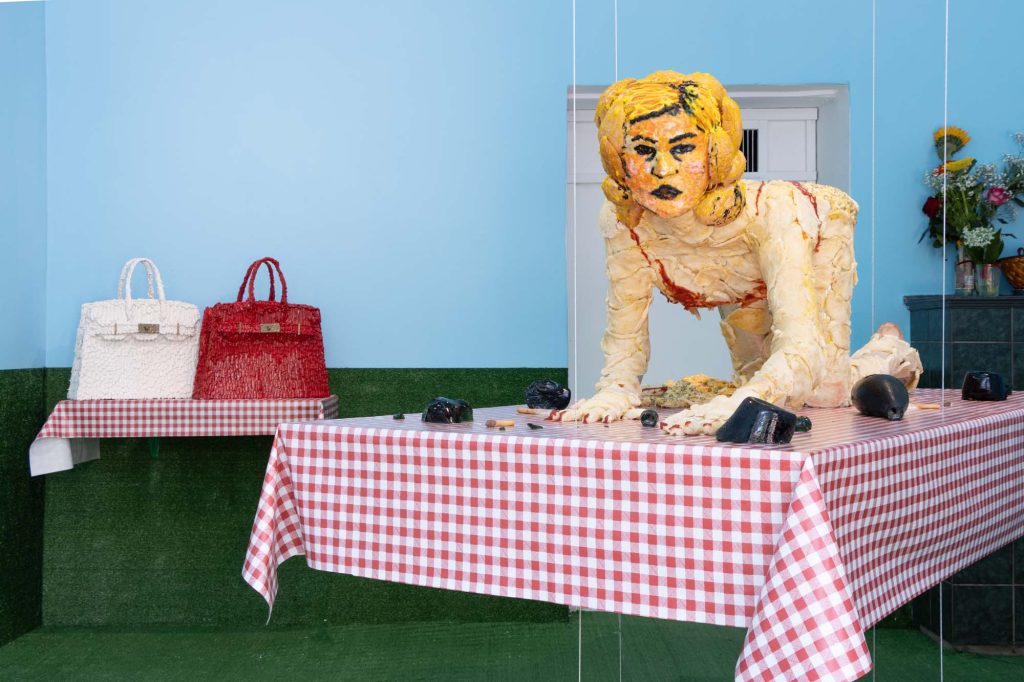
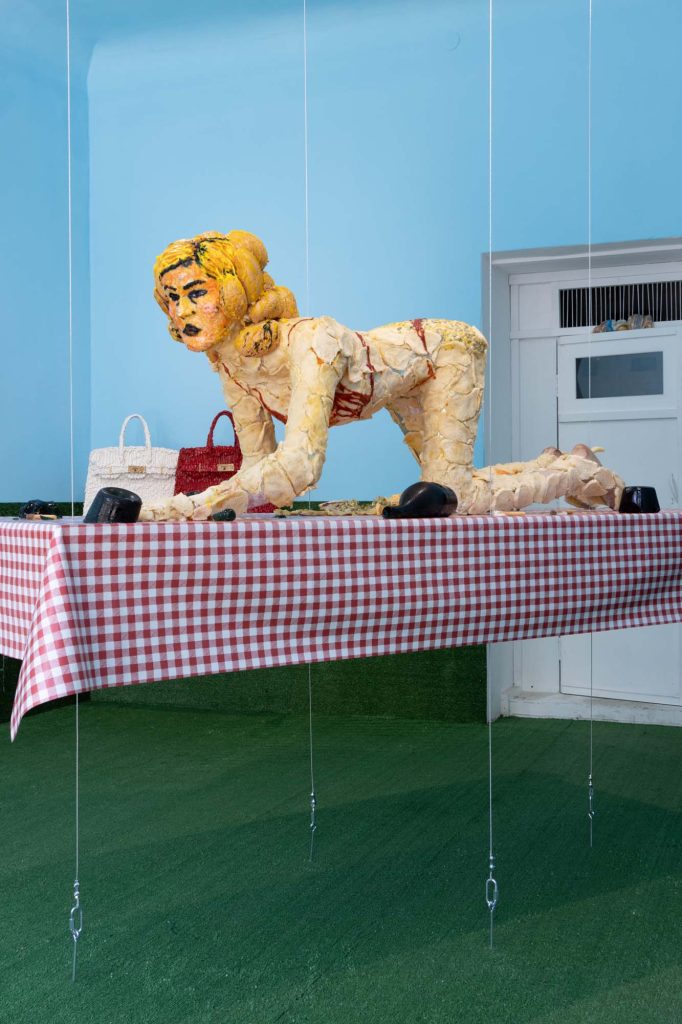
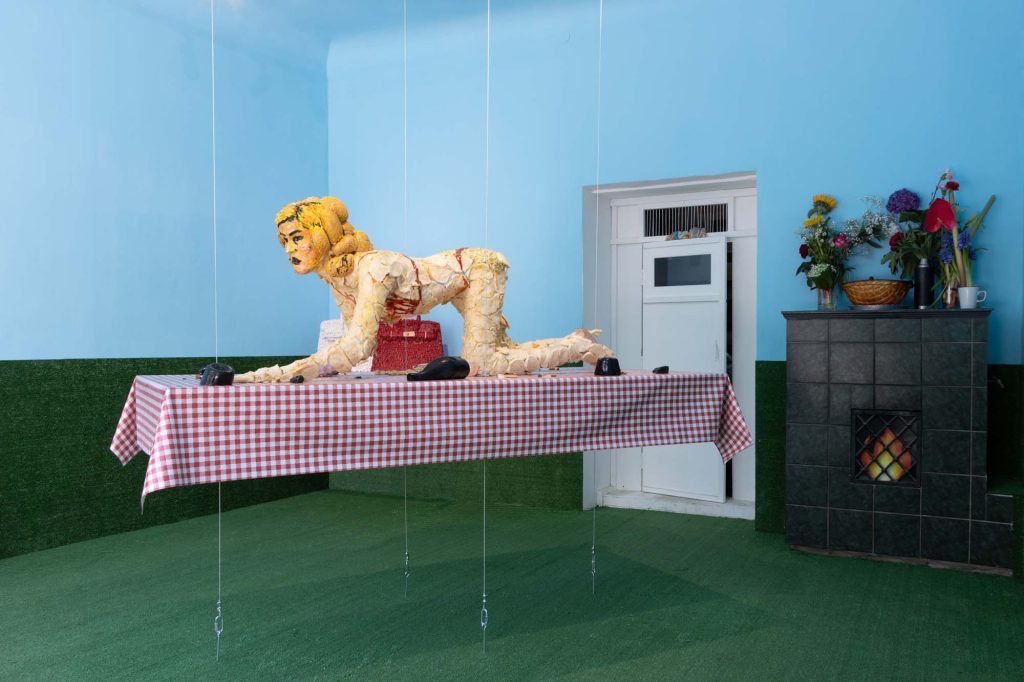
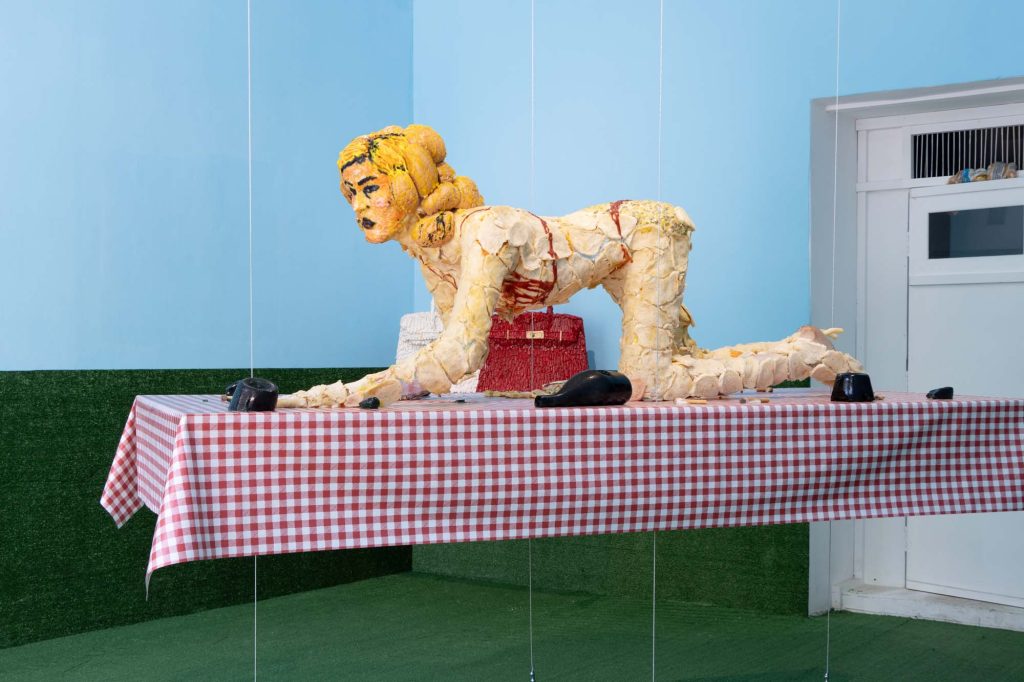
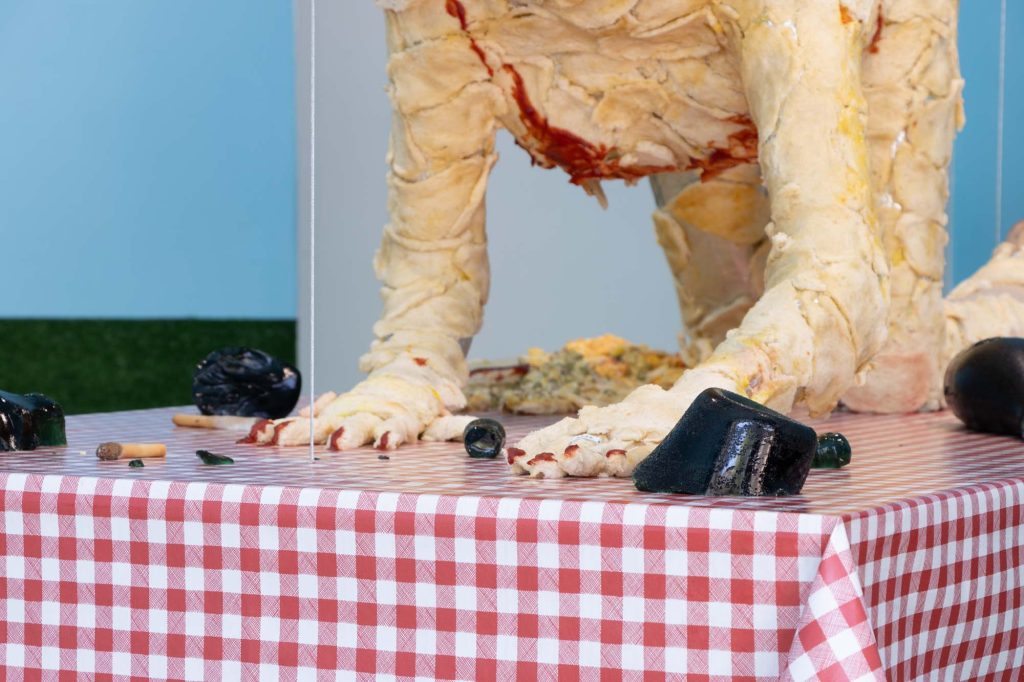
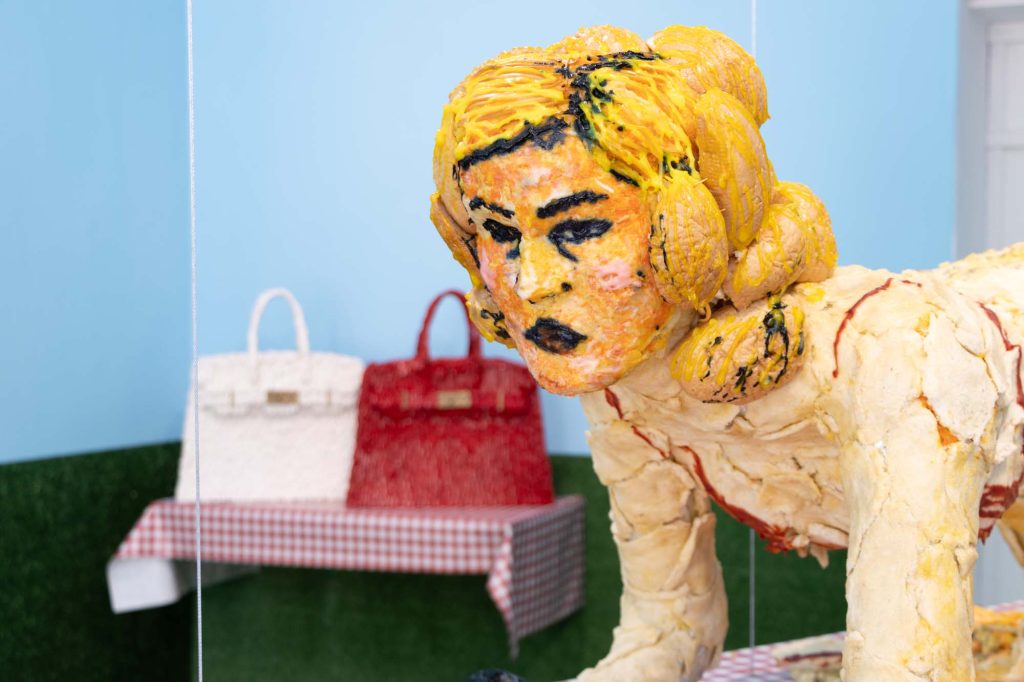
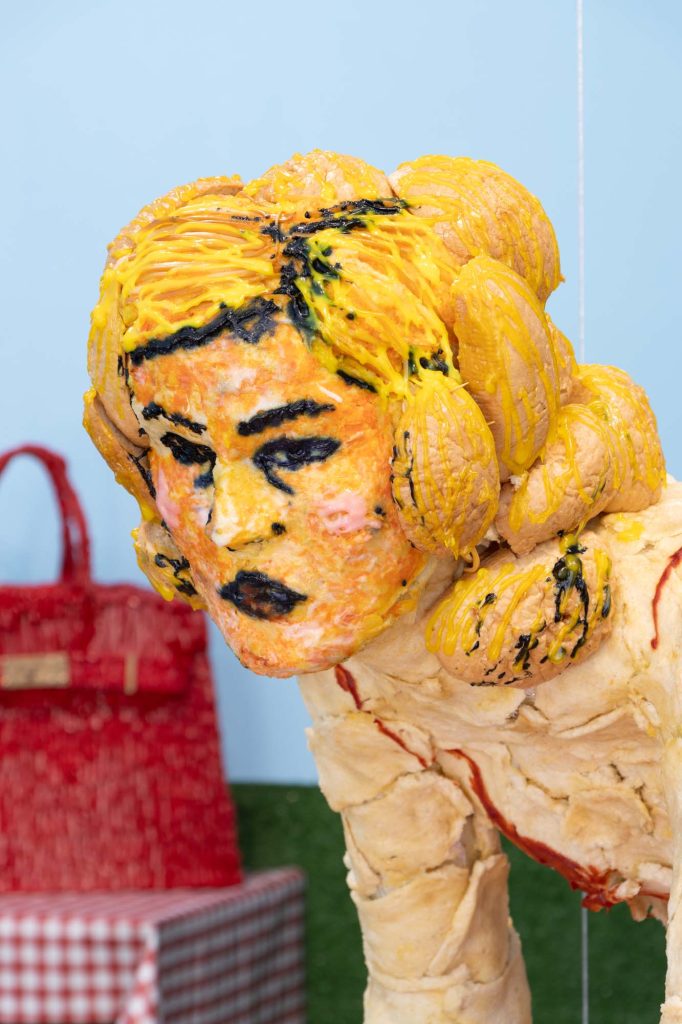
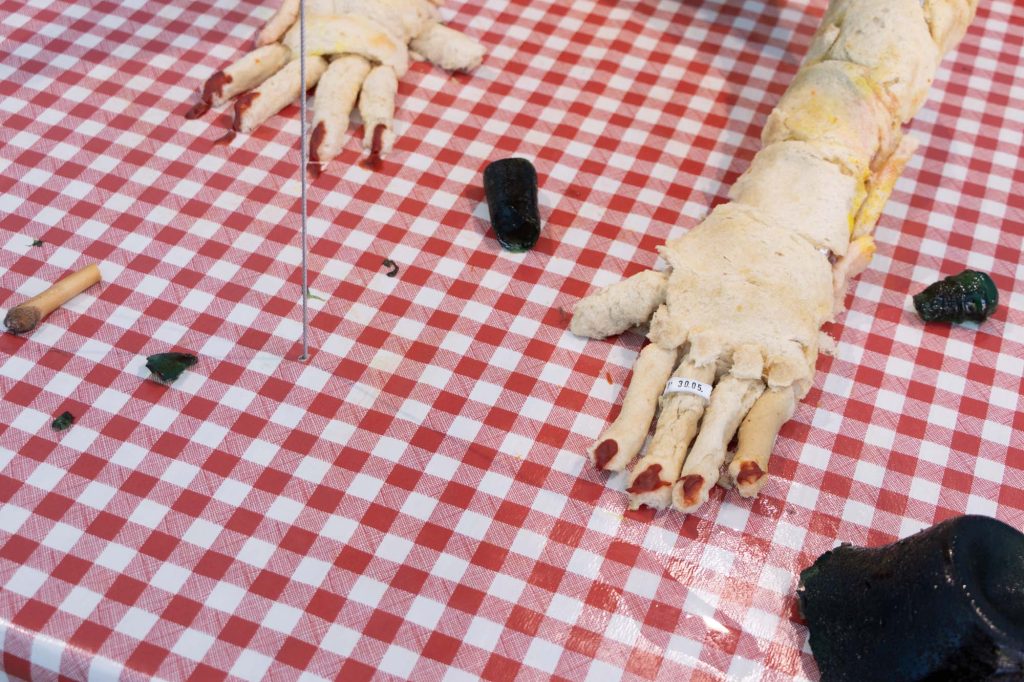
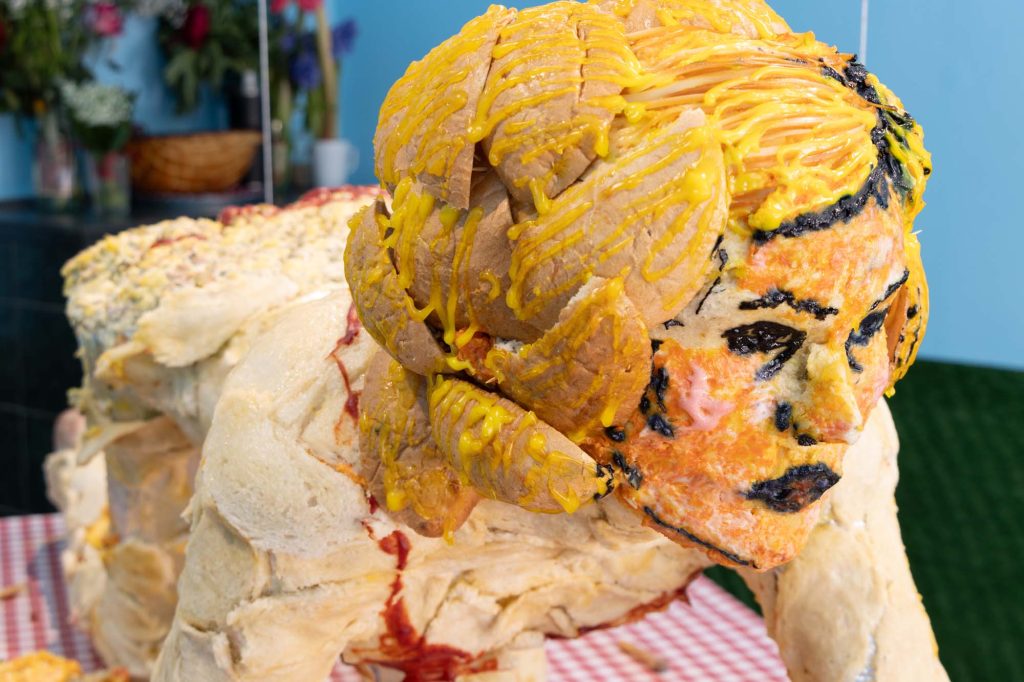
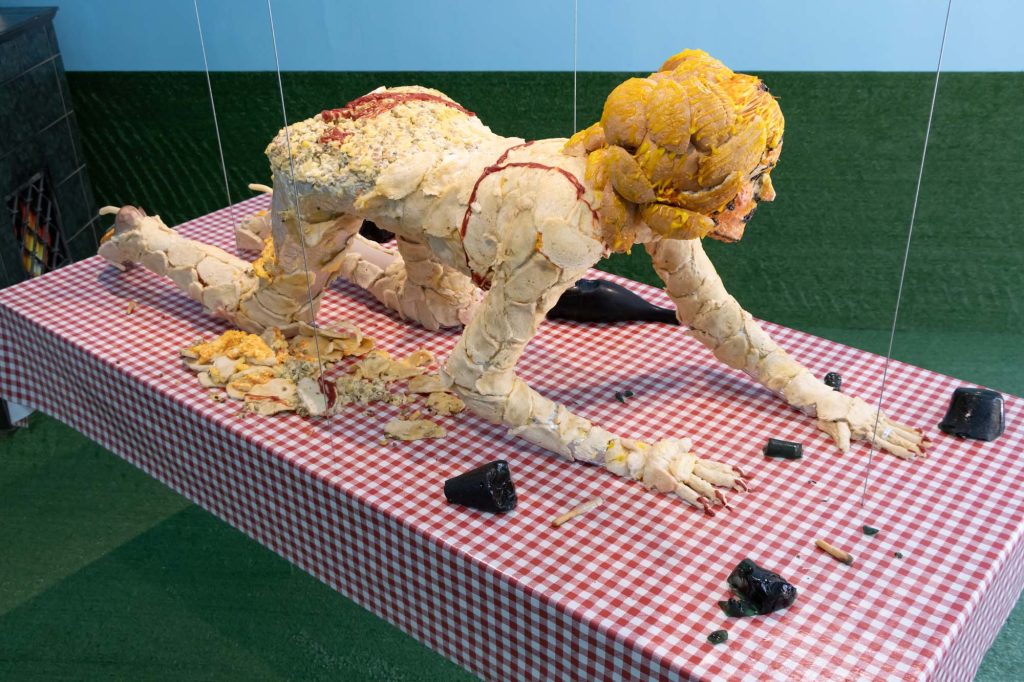
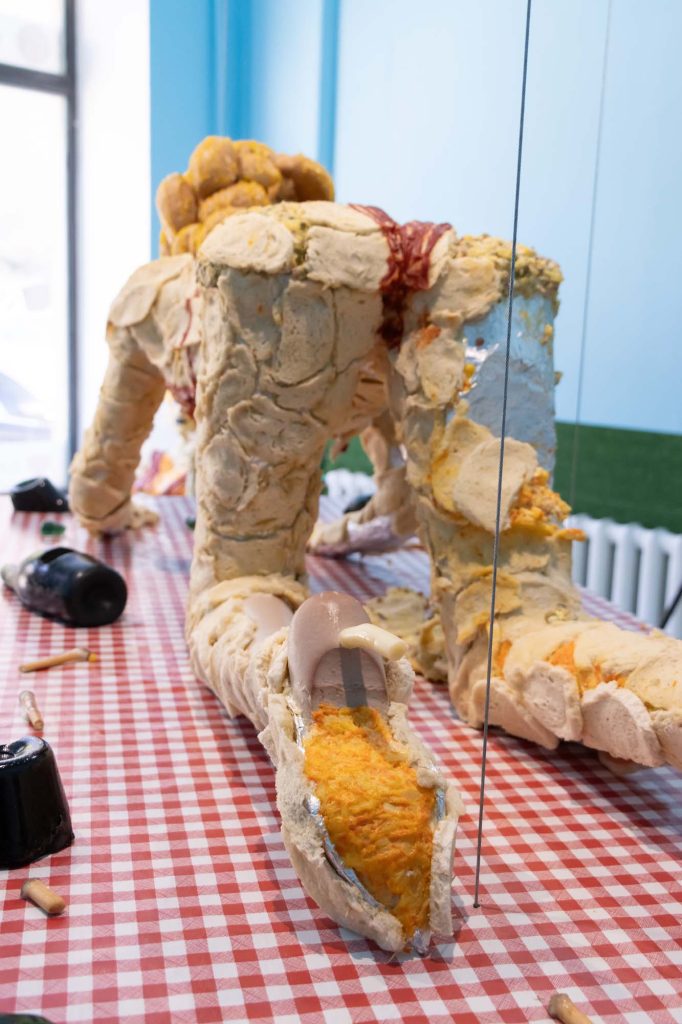
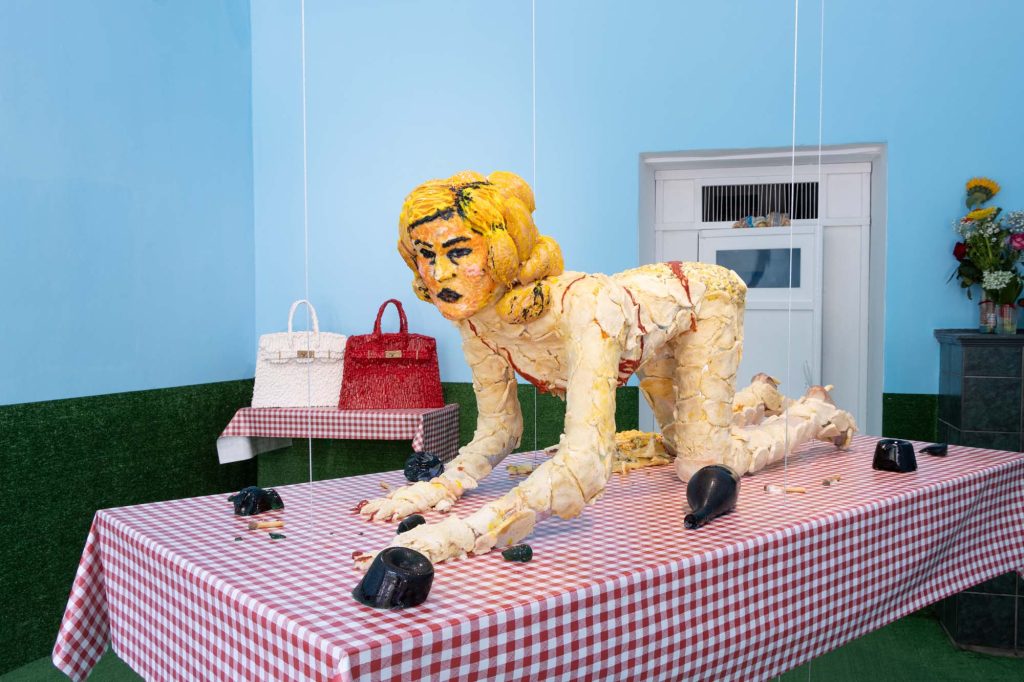
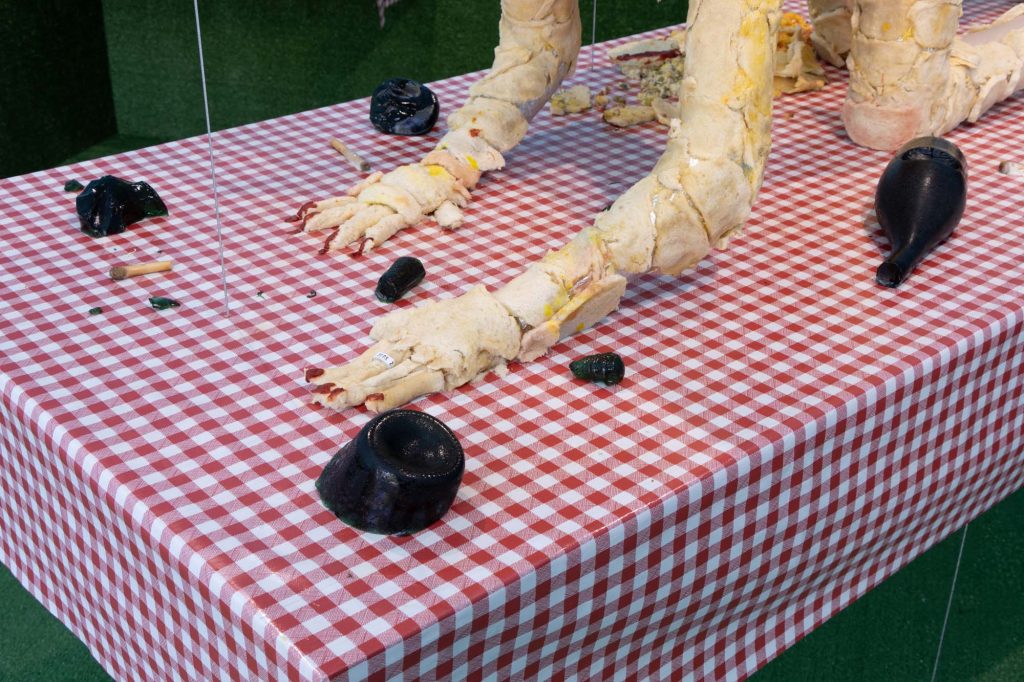
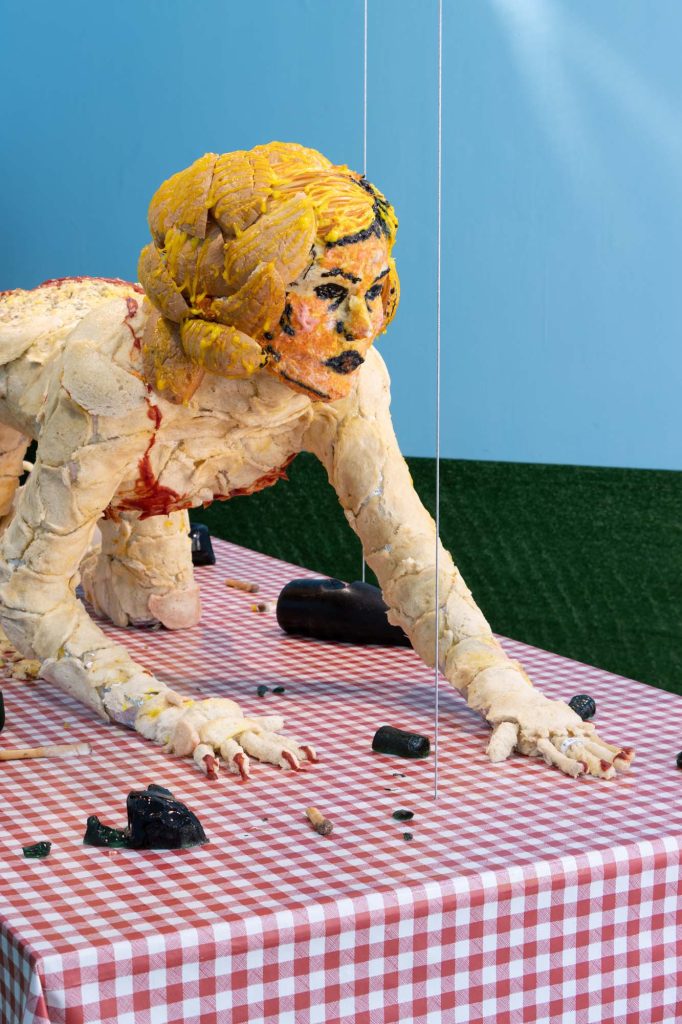
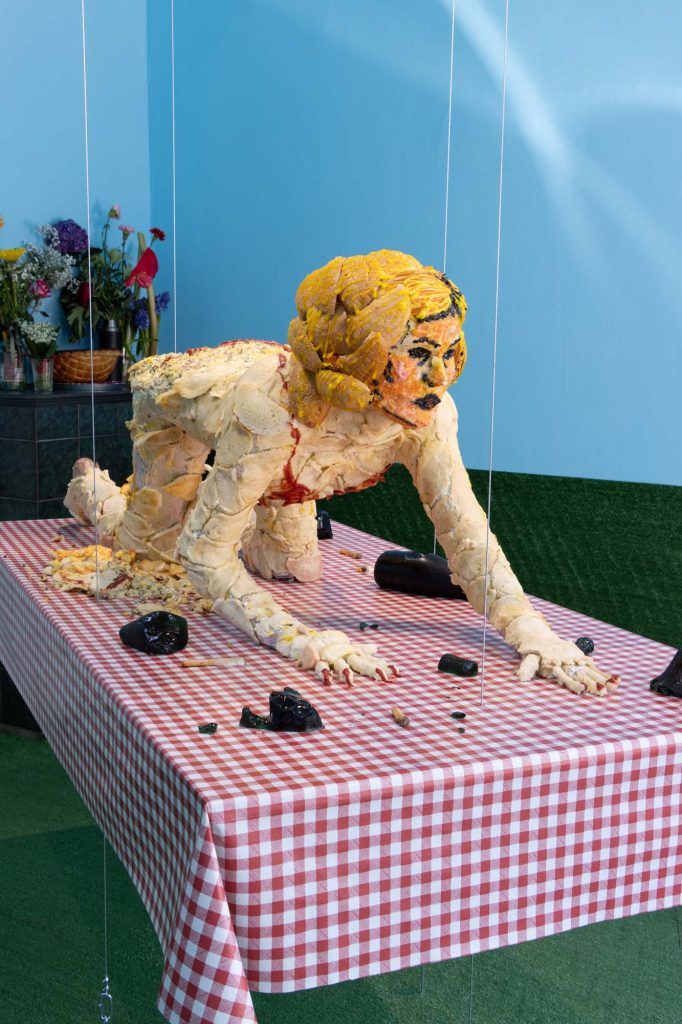
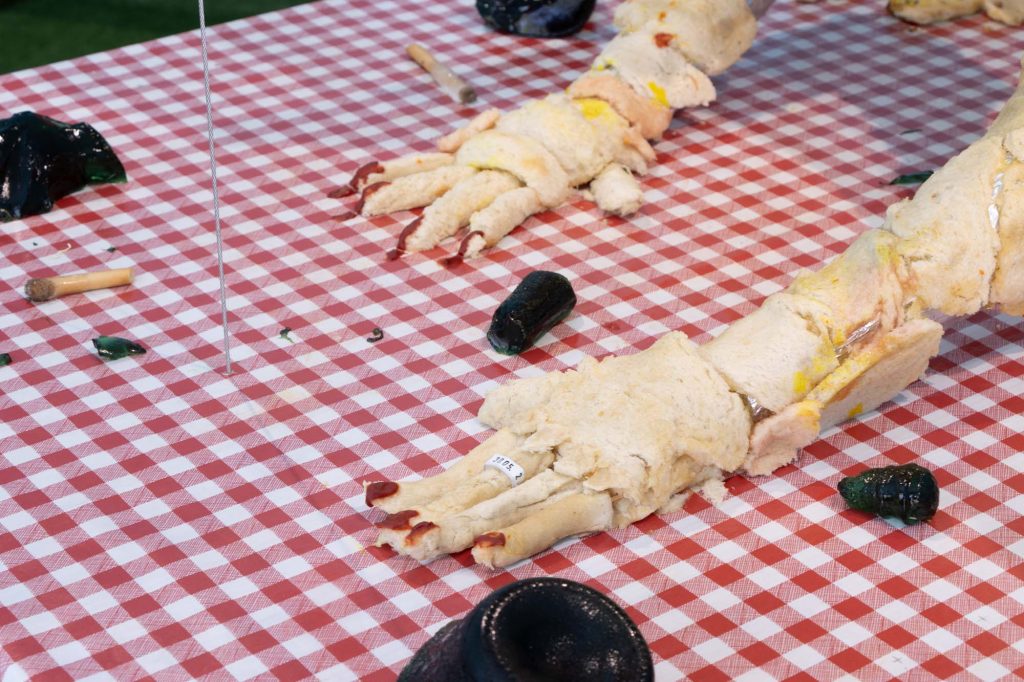
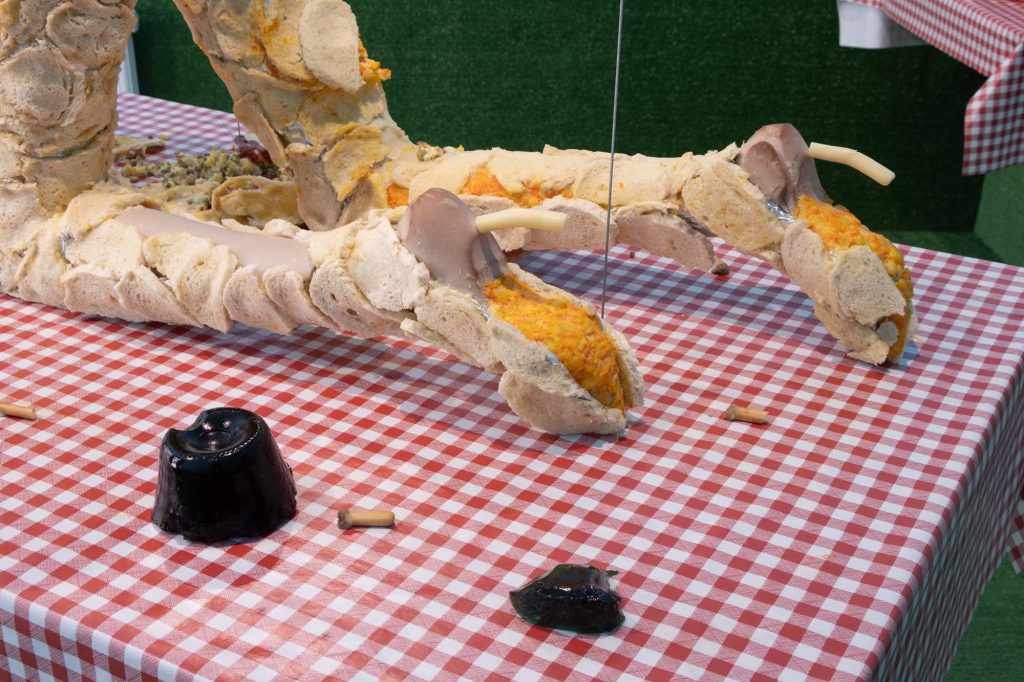
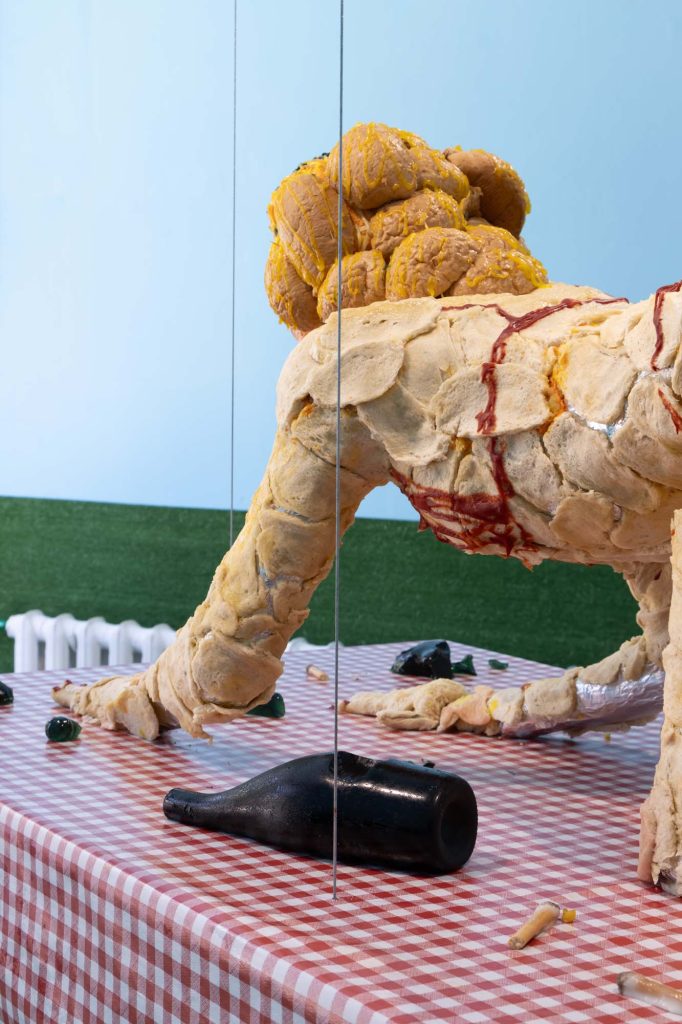
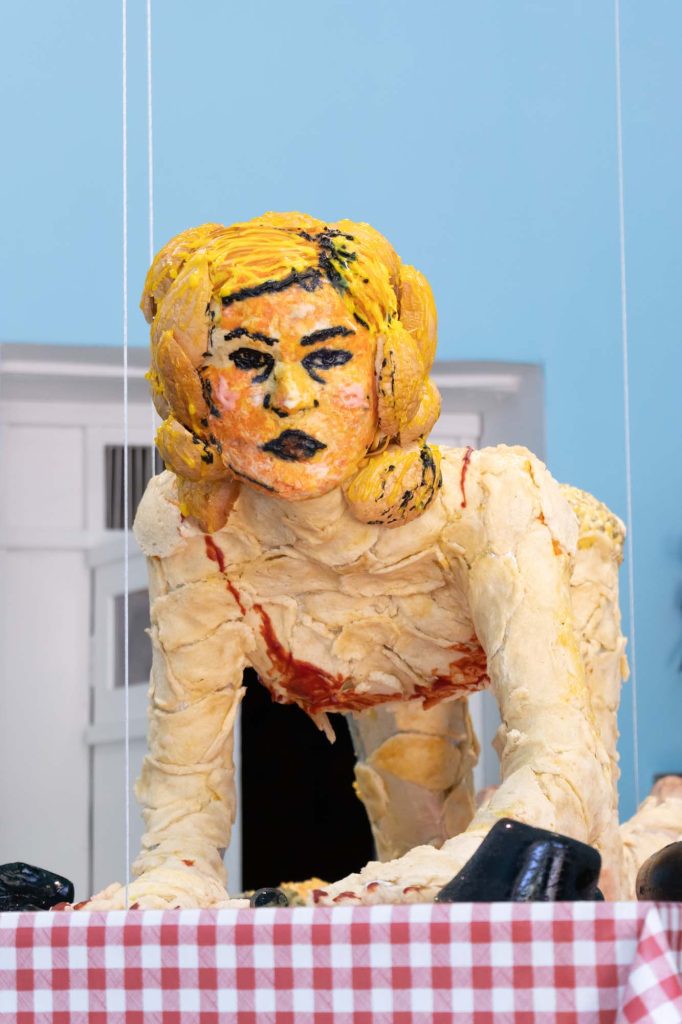
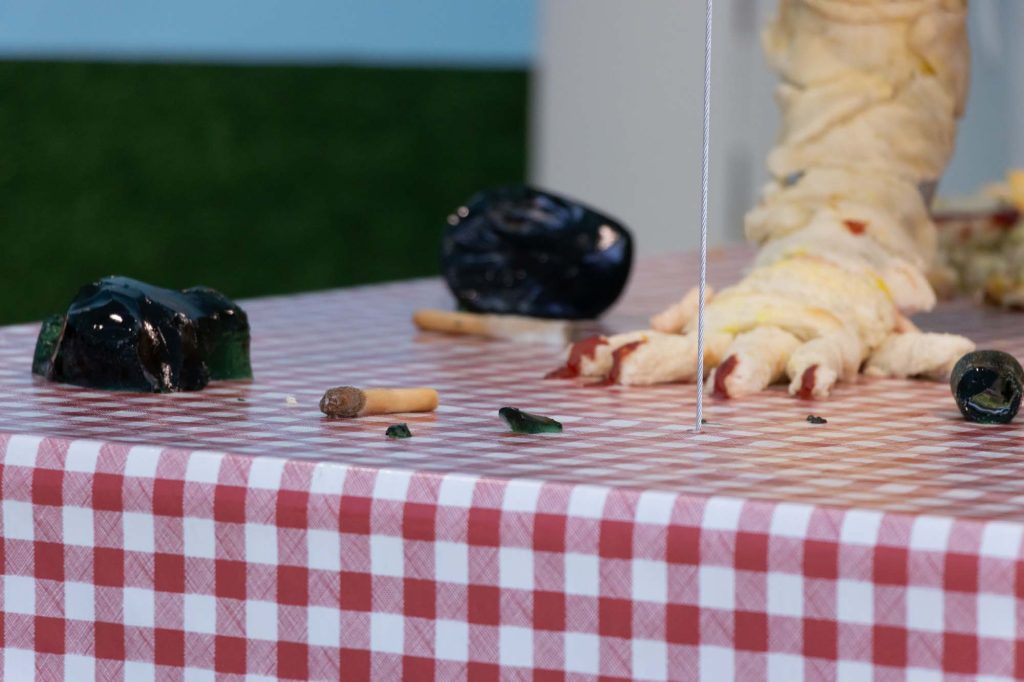
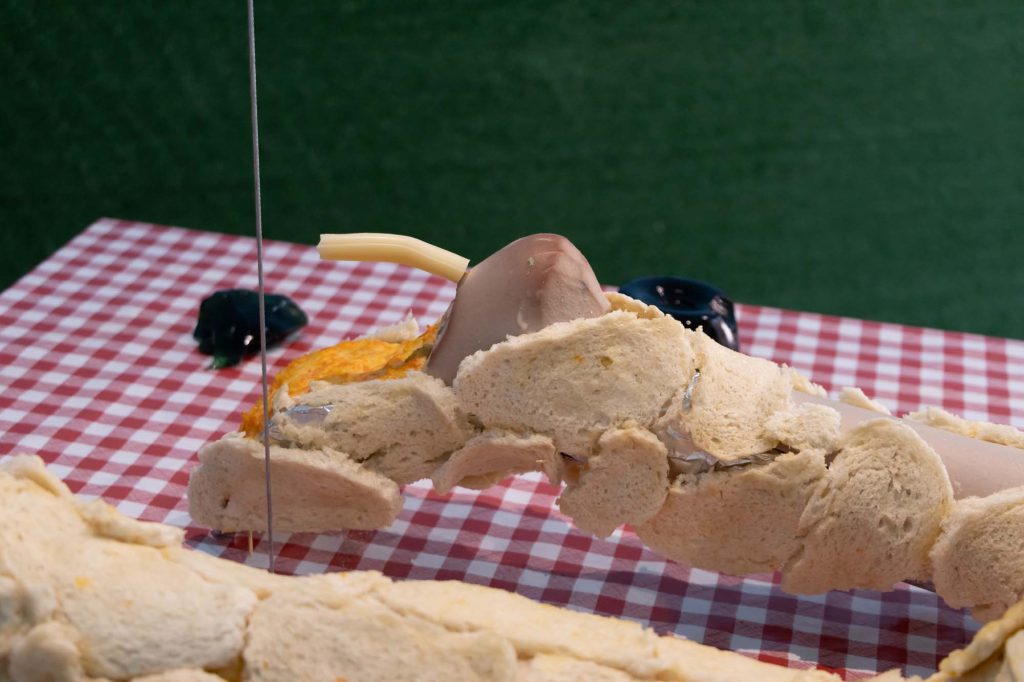
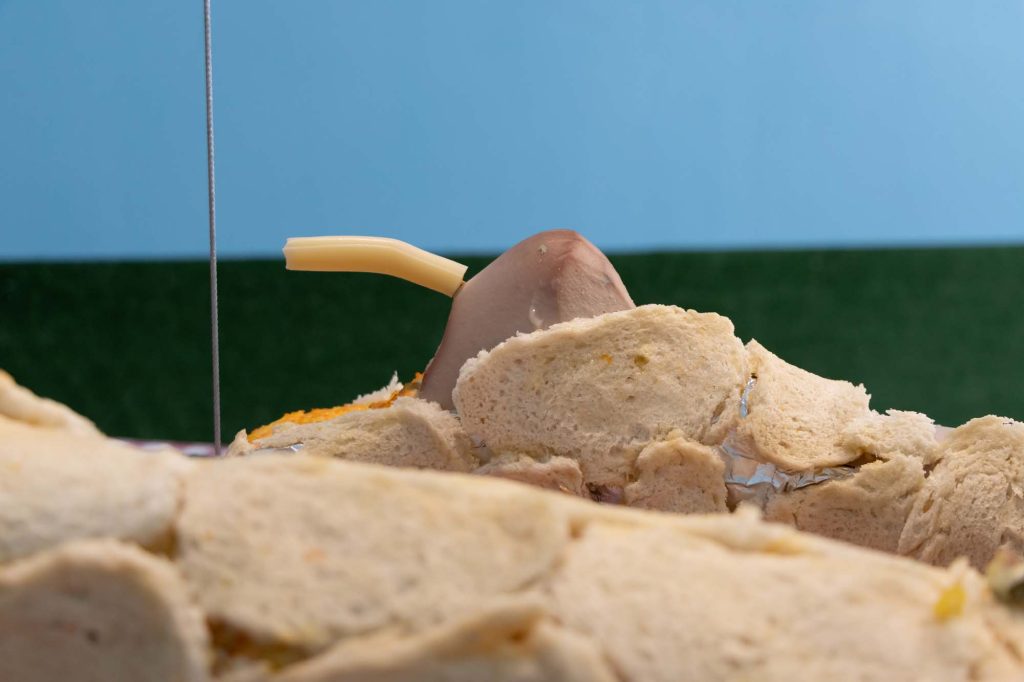
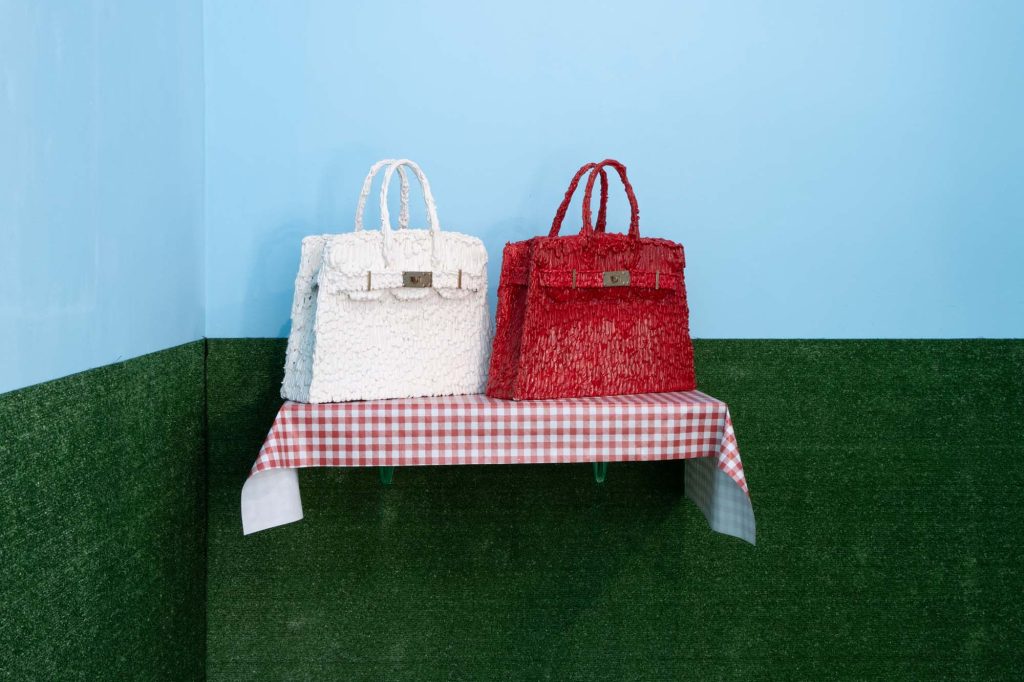
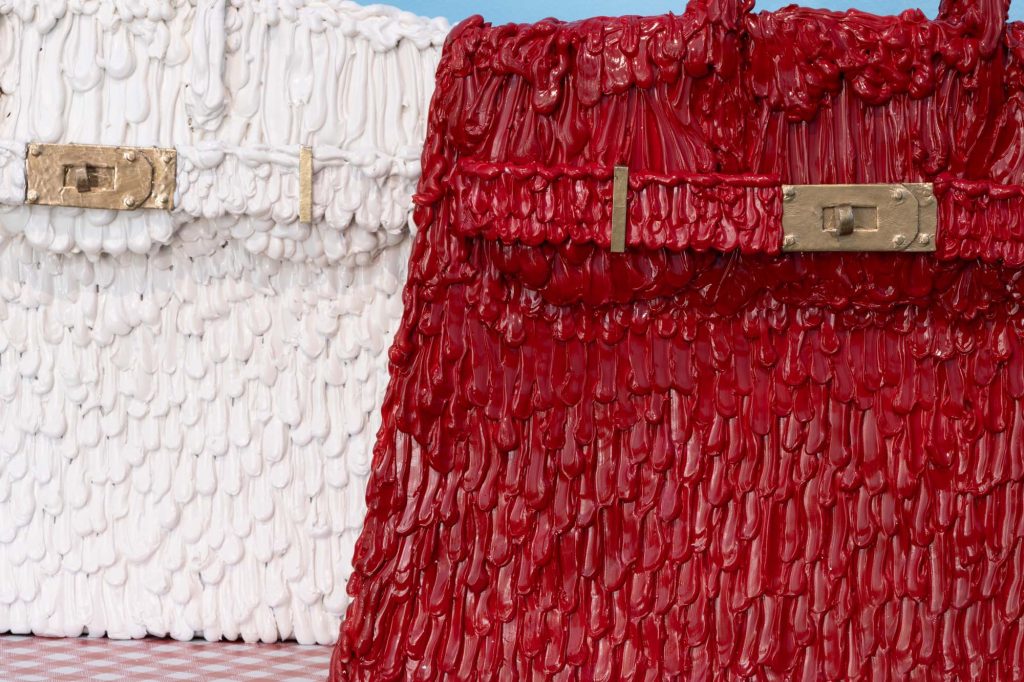
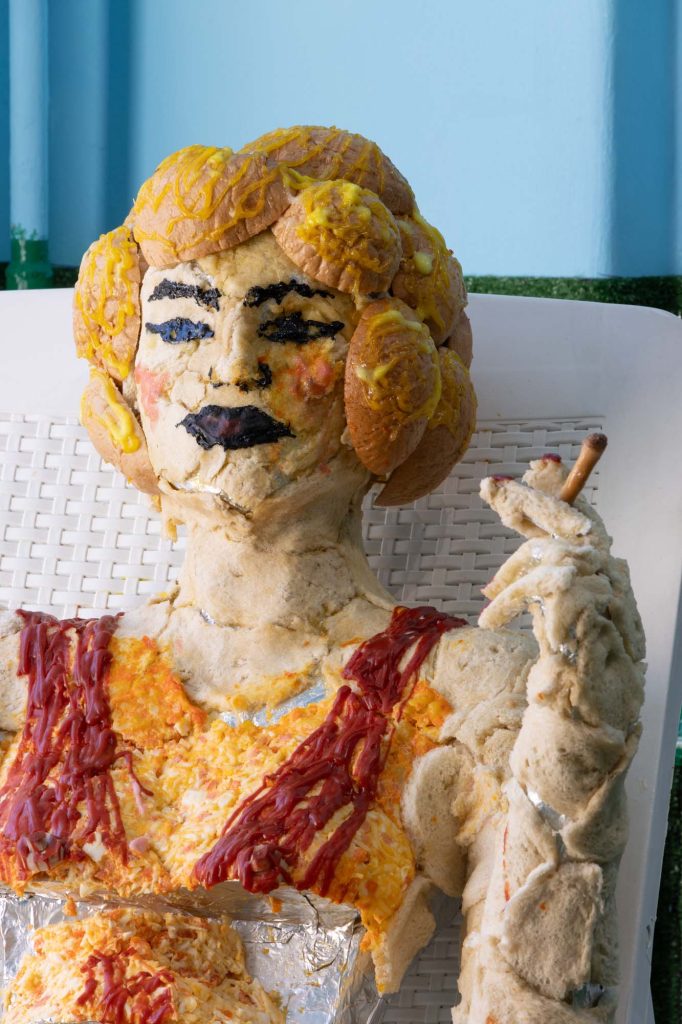
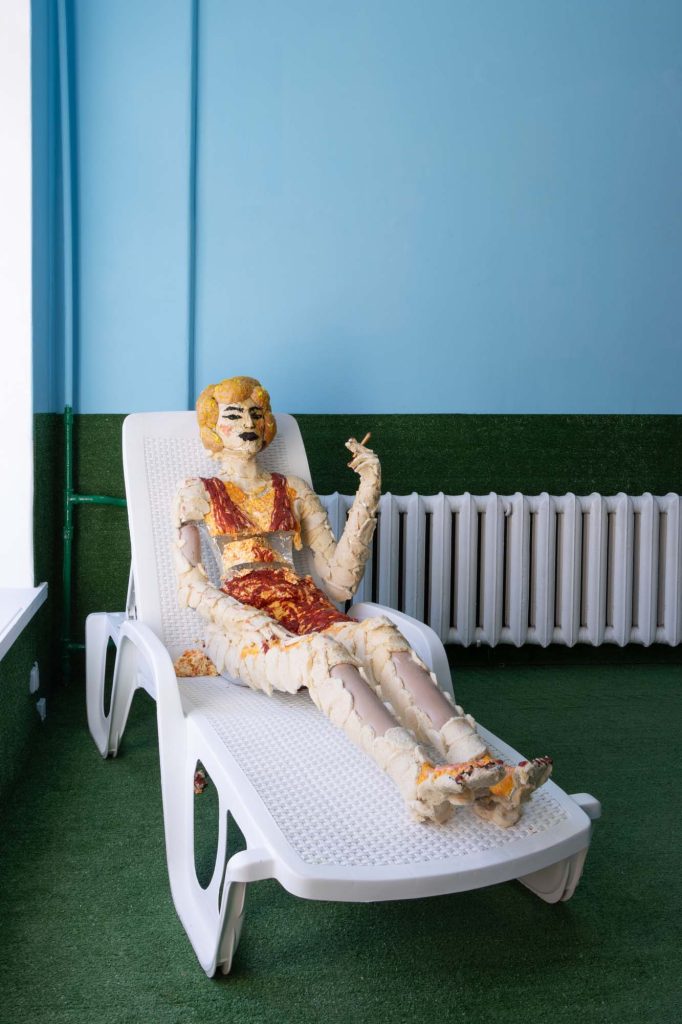
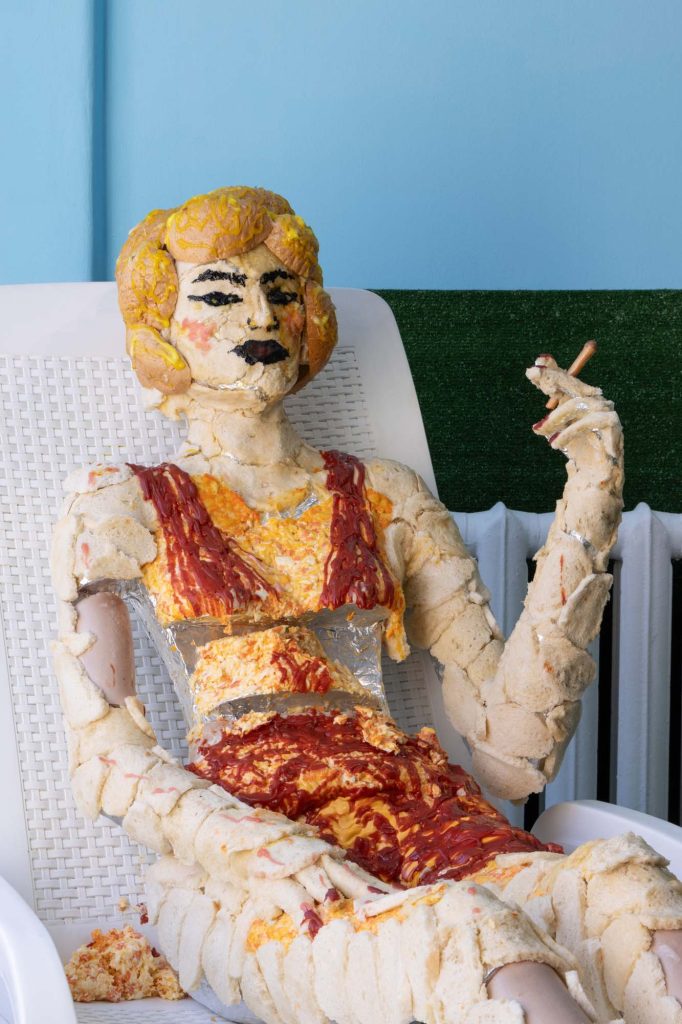
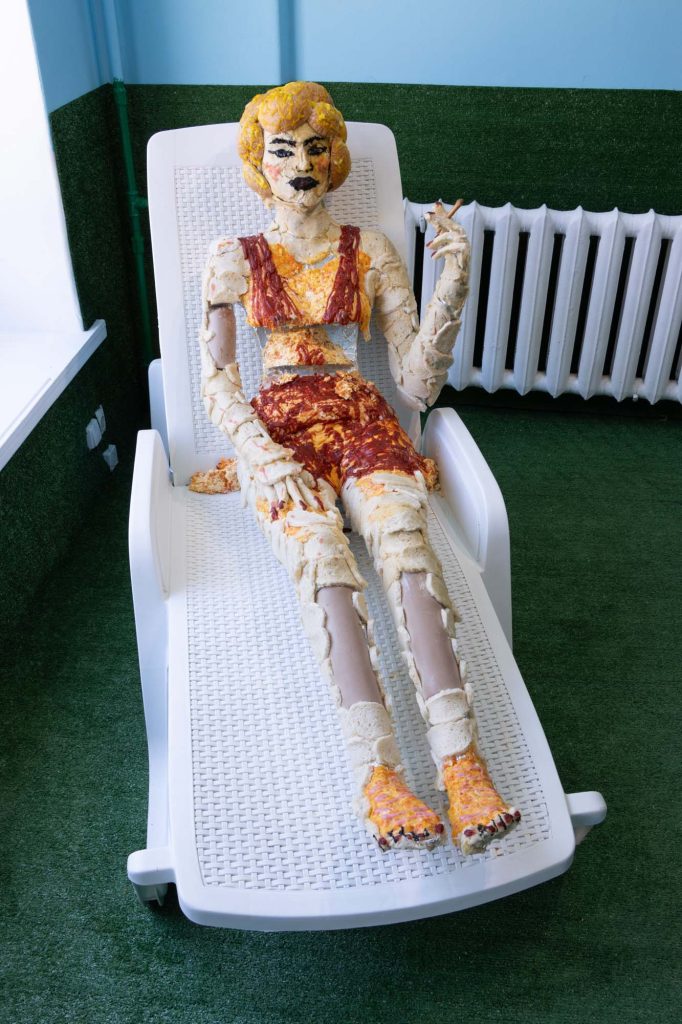
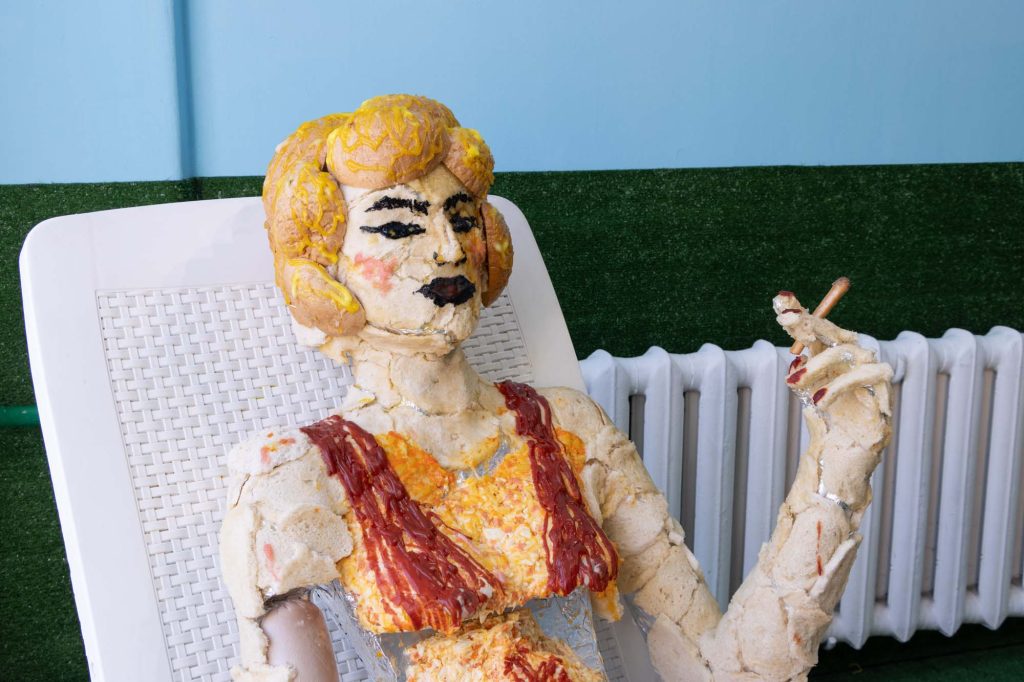
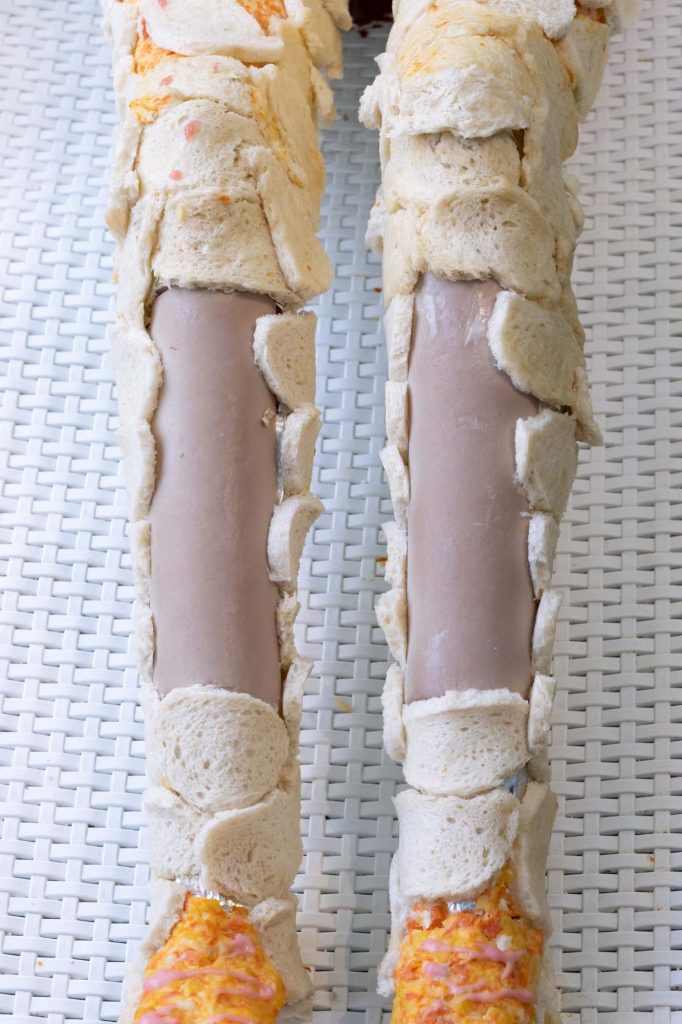
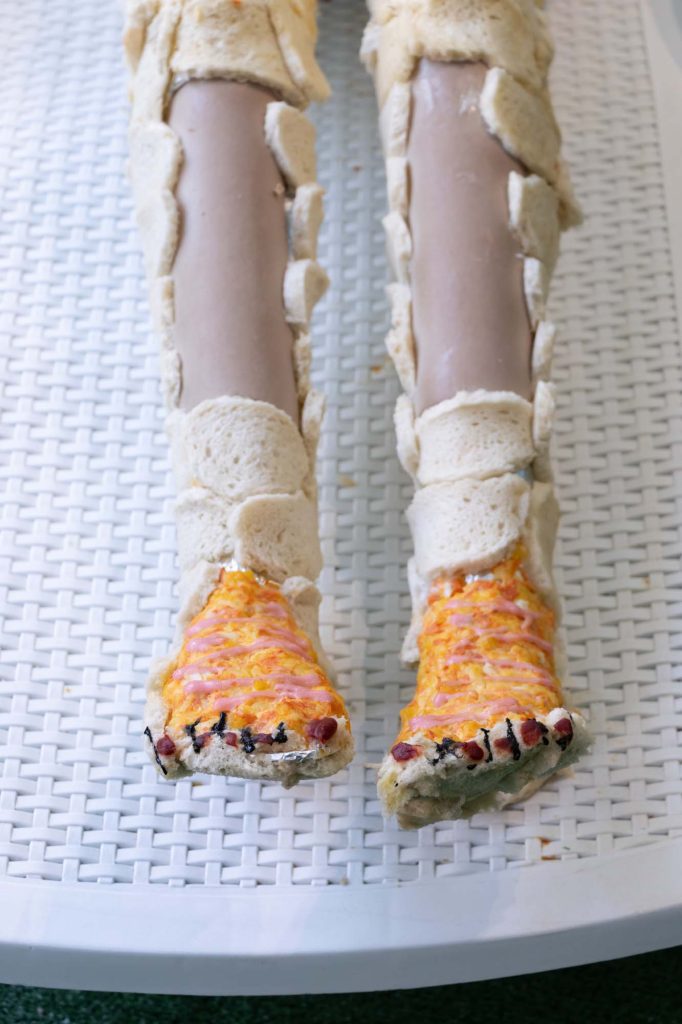
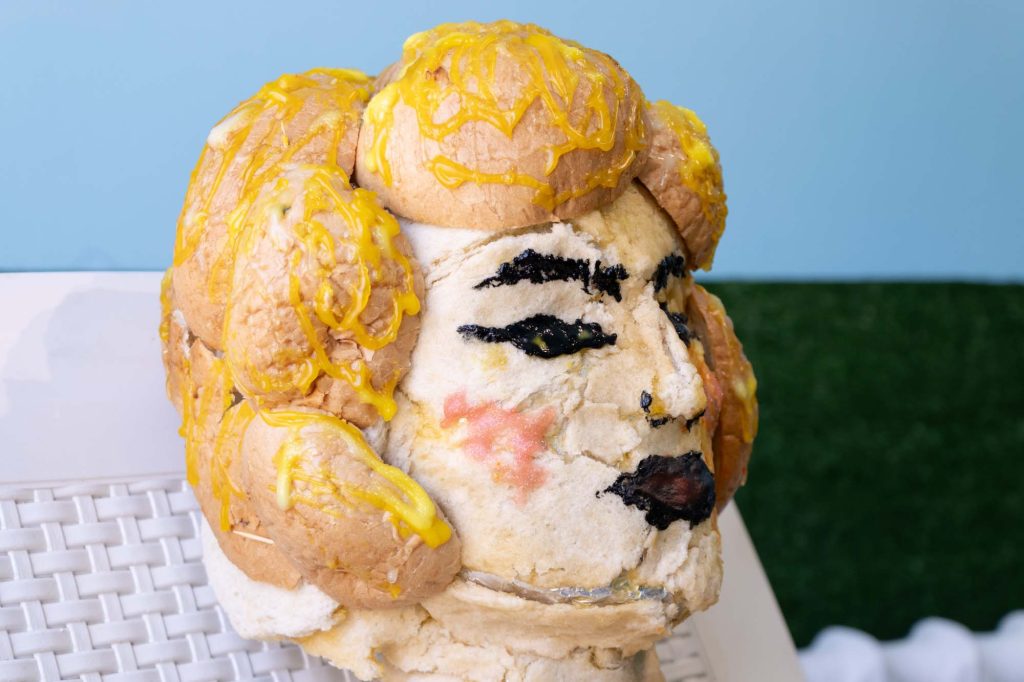
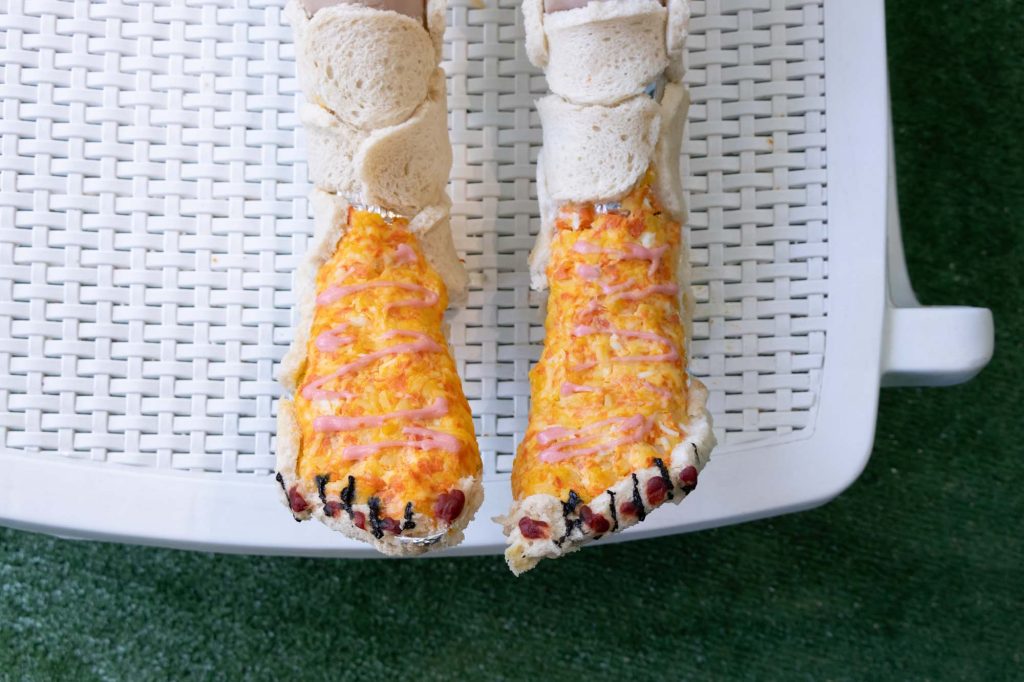
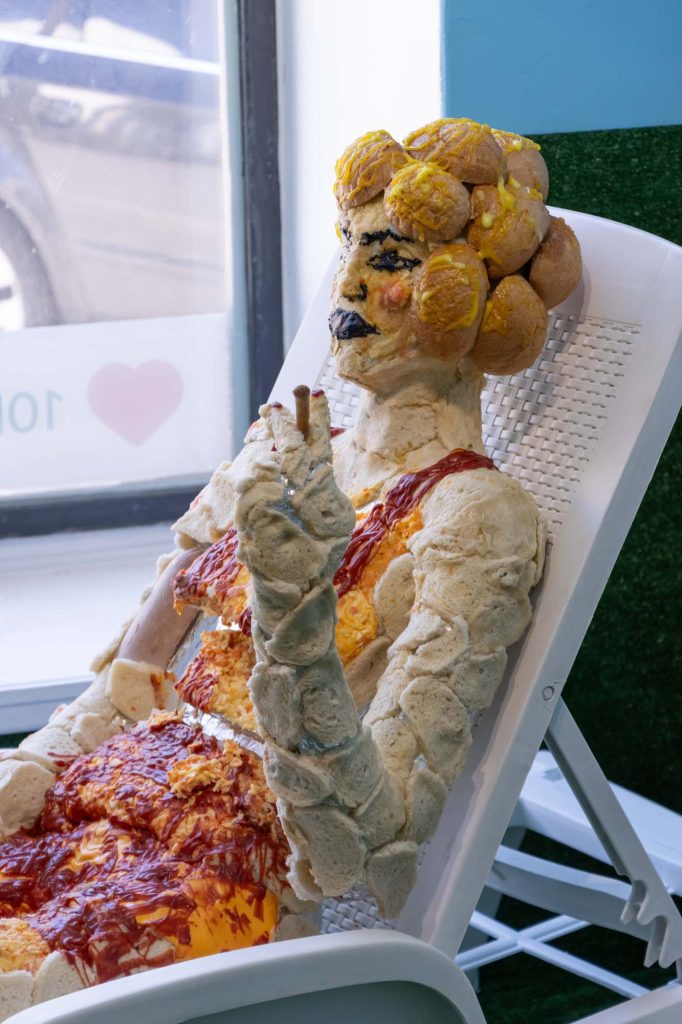
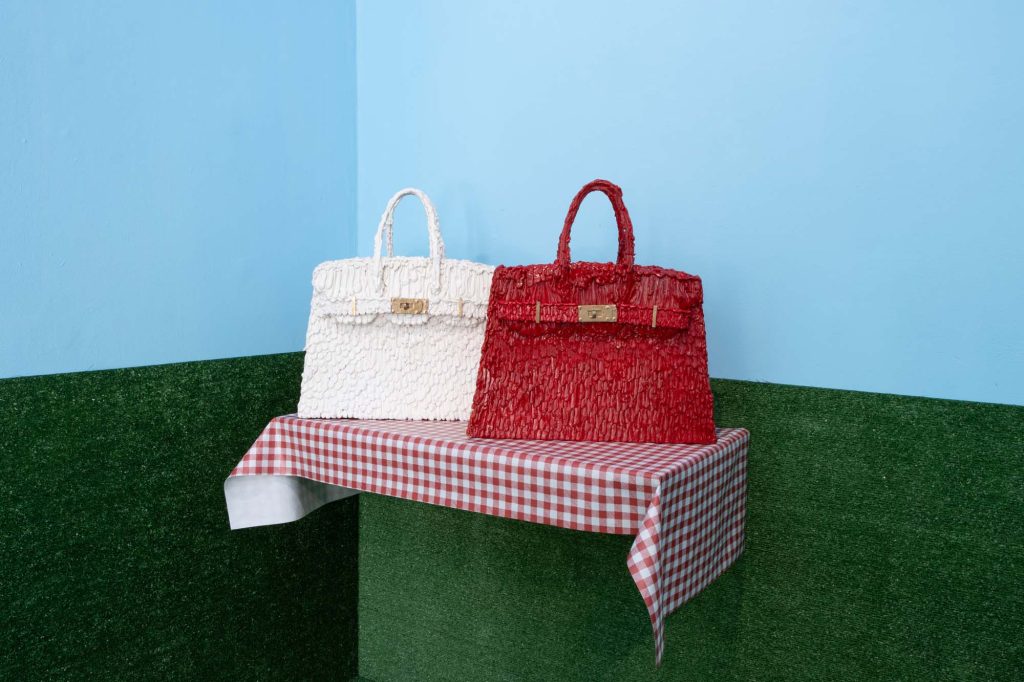
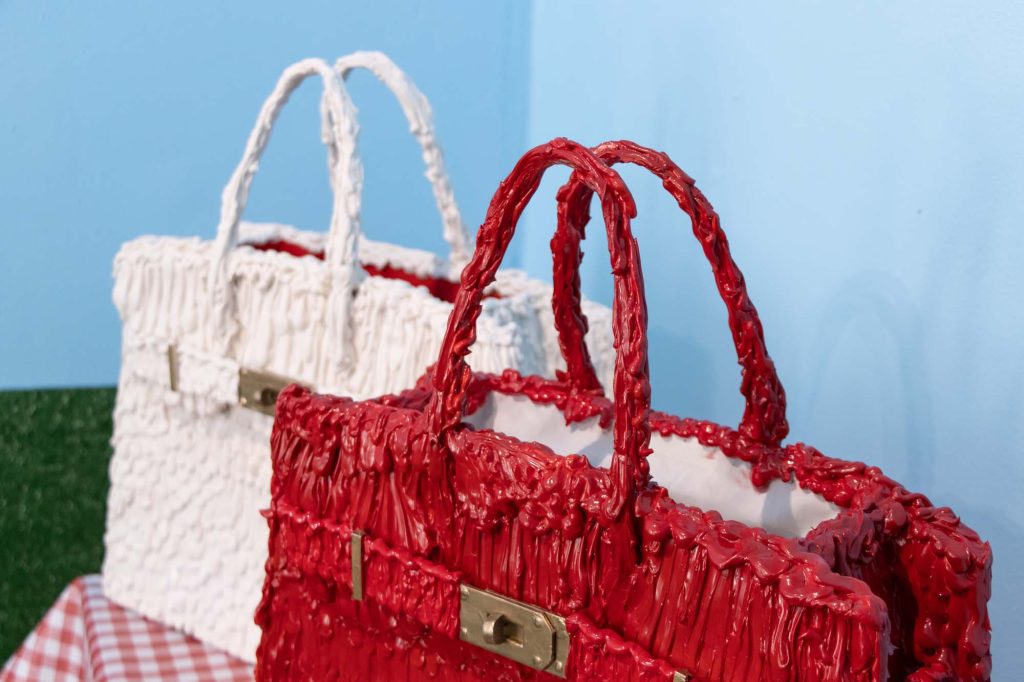
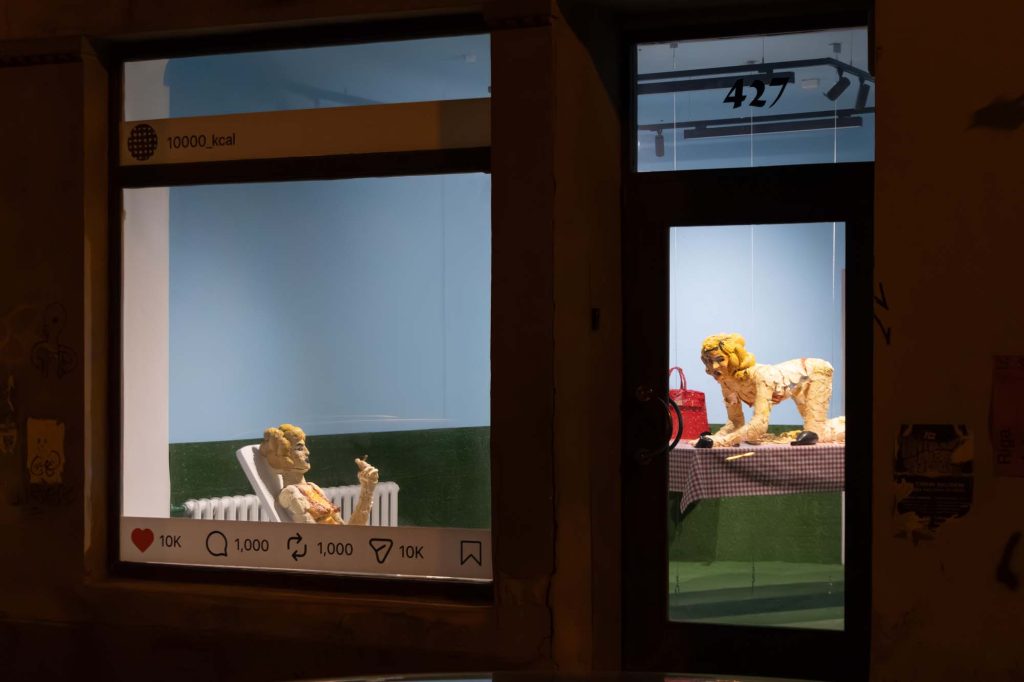
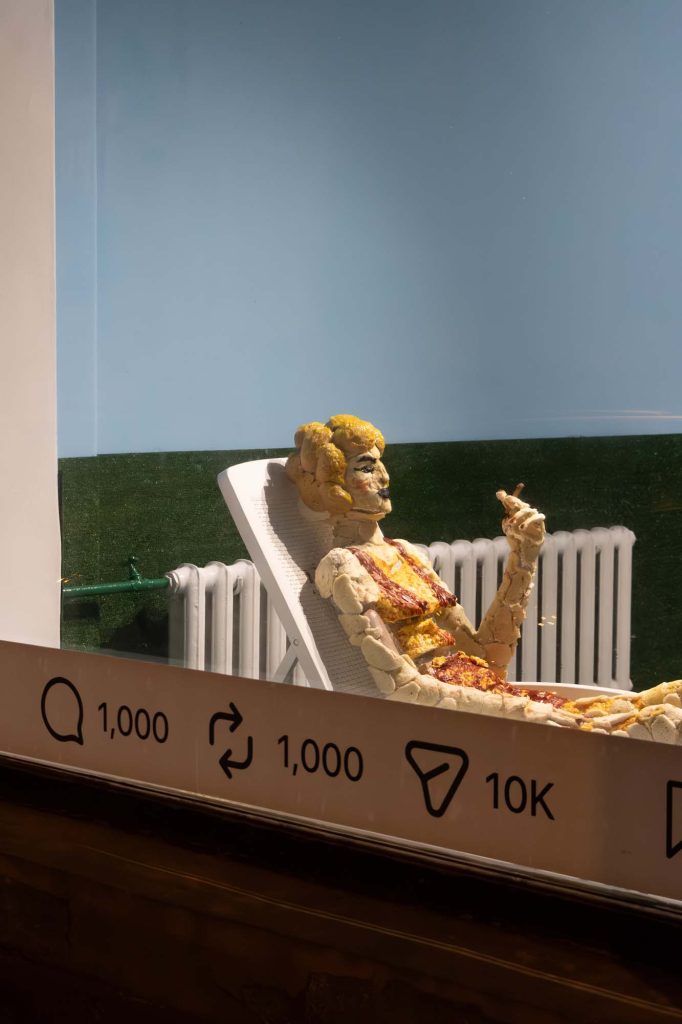
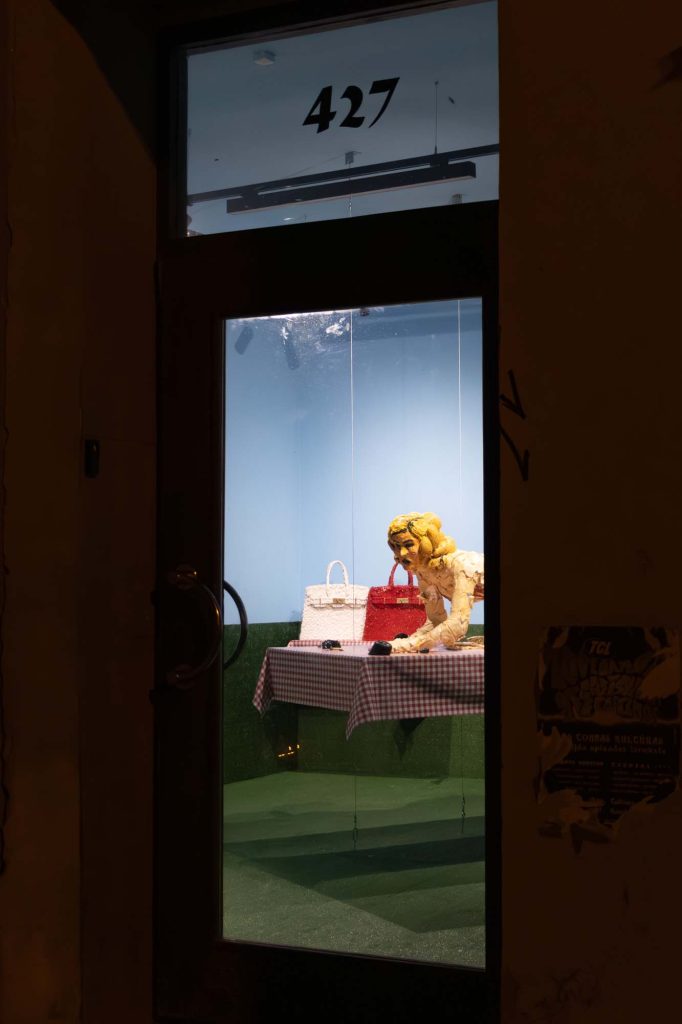
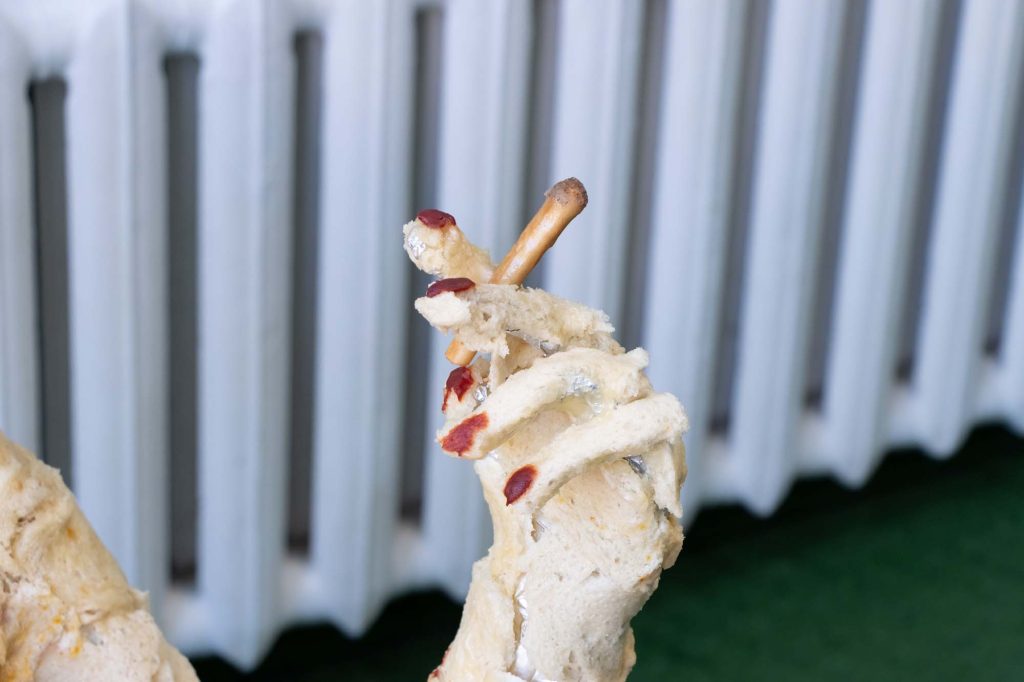
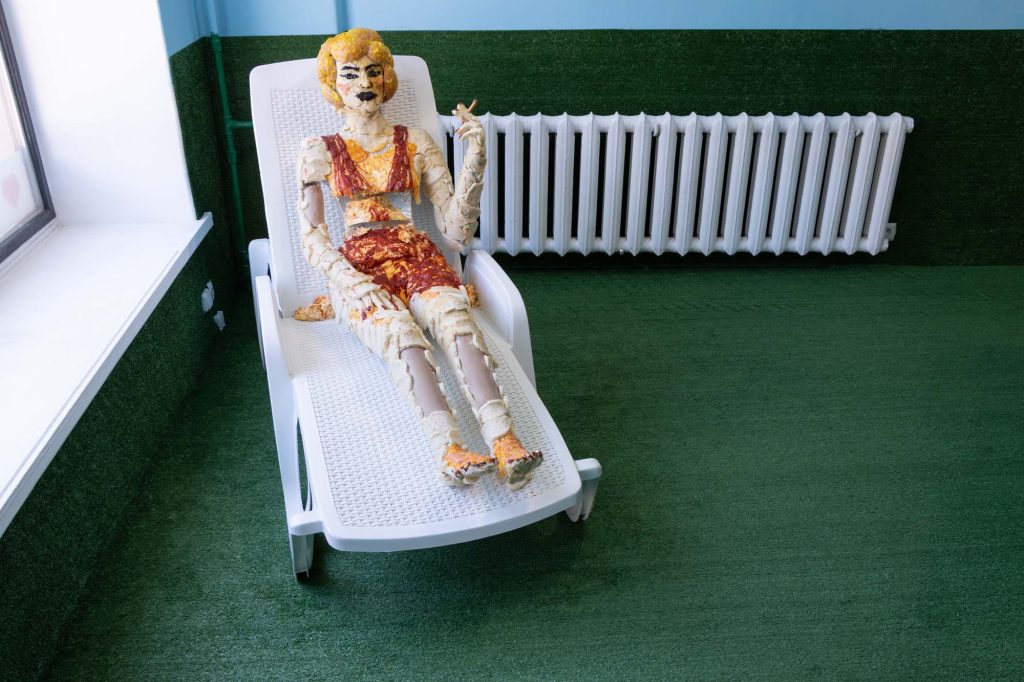
10,000 kcal Picnic

10,000 kcal Picnic
Esmeralda Usas, Linda Li
28/05 – 31/05/2026

Support: VKKF (State Culture Capital Foundation), Riga Municipality, Riga Art Week

Photos: Līva Priedīte

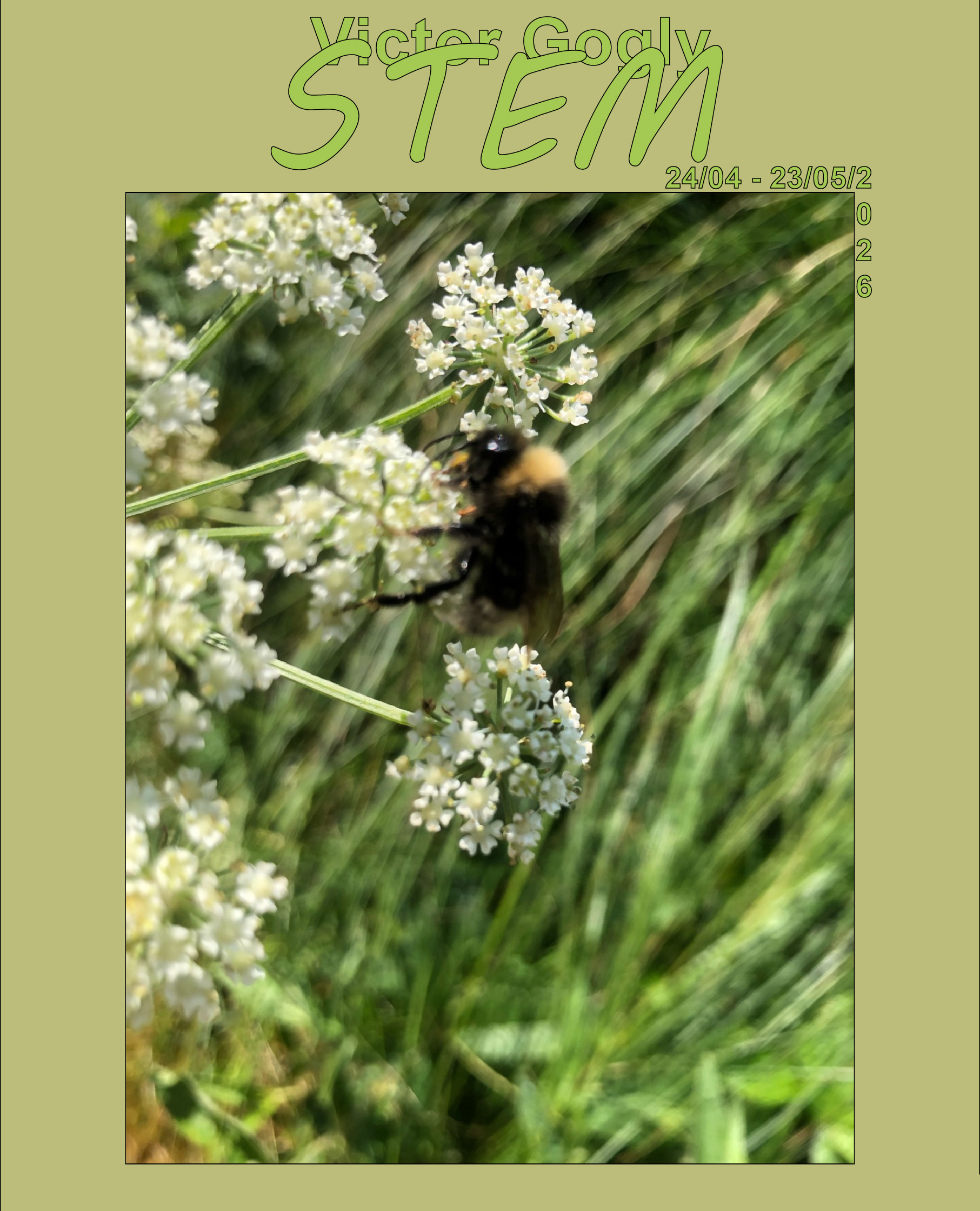
Stem

Stem
Victor Gogly
24/04 – 23/05/2026

clock

winter as a solid reminder
otherwise our arrogance
will destroy everything
as usual
even our hopes are damaging
each breath burns calories
draw with moreish grey
I will listen
but it will cost you

– Krišjānis Zeļģis

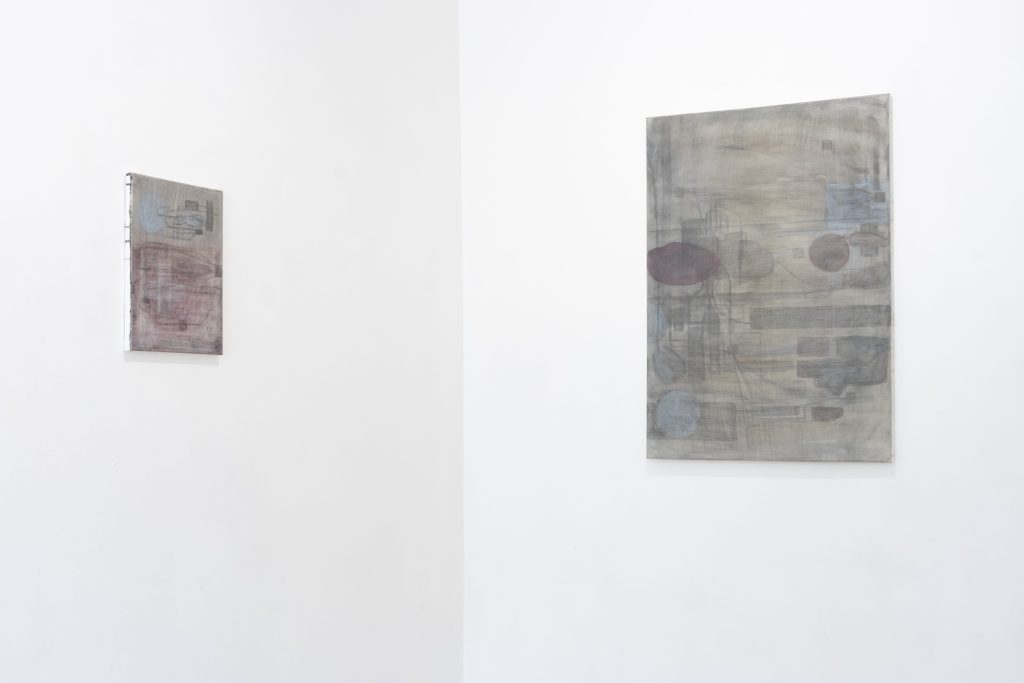
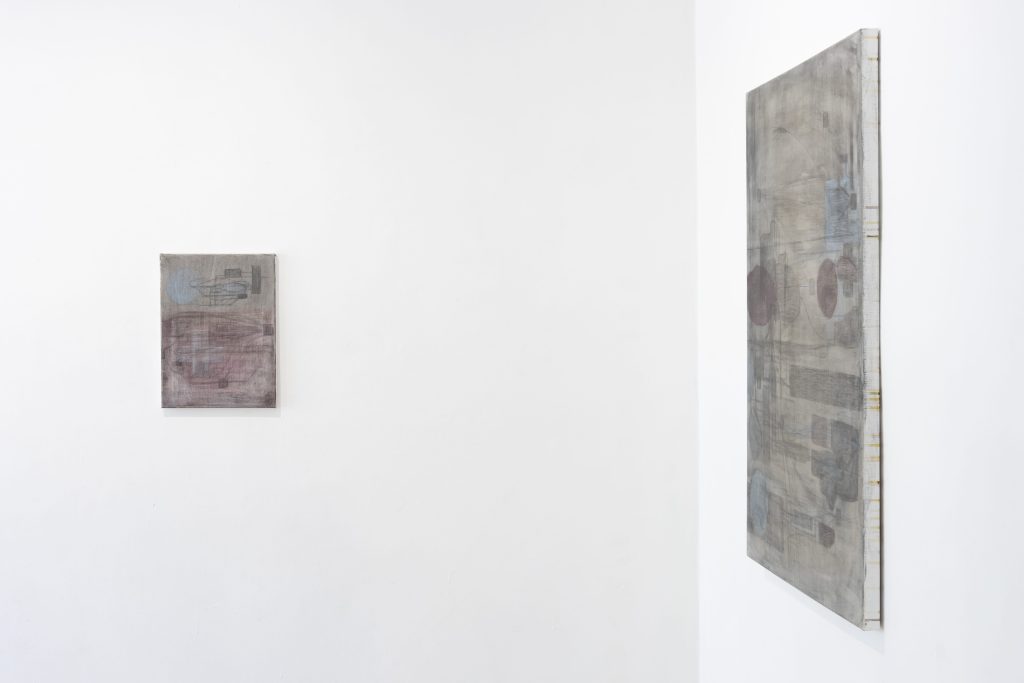
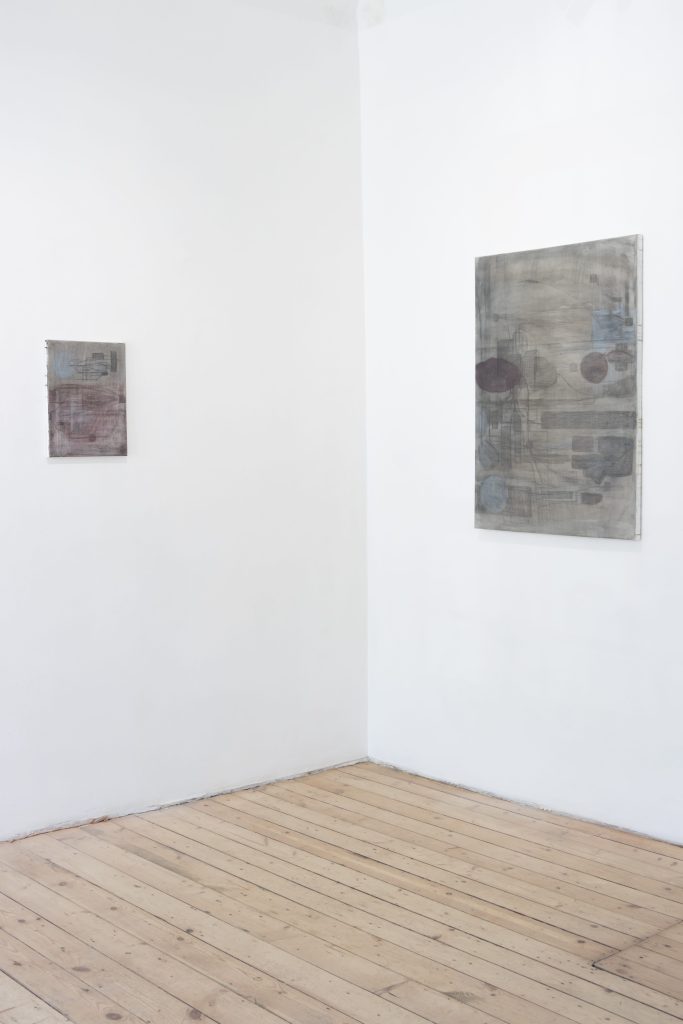
Victor Gogly (b. 1994 in France) lives and works in Vantaa, Finland. He is a graduate of the École Supérieure d’Art et Design Le Havre-Rouen (2019). Within his work, Gogly endeavors to capture both the textural and immaterial transitions between human, non-human, and animal relationships to one another and our world. On painted canvas as well as through collage and sculpture, Gogly’s beings transform and interact with one another within spectral spaces where physical boundaries are obfuscated, and mankind’s relationship with nature is re-examined, offering the possibility for change.

He has presented his work in group exhibitions at SIC space, Helsinki (2024), DS Galerie, Paris (2025), CAC Bretigny, FR (2023), Pitted Dates, Helsinki (2023), Beaux-Arts, Paris (2022), and Jardin du Crépuscule, Montréal (2021). Gogly has also participated in several online exhibitions curated by Underground Flowers, Dharma Initiative, Church, and Solo
Show.

Support: VKKF (State Culture Capital Foundation), Riga Municipality
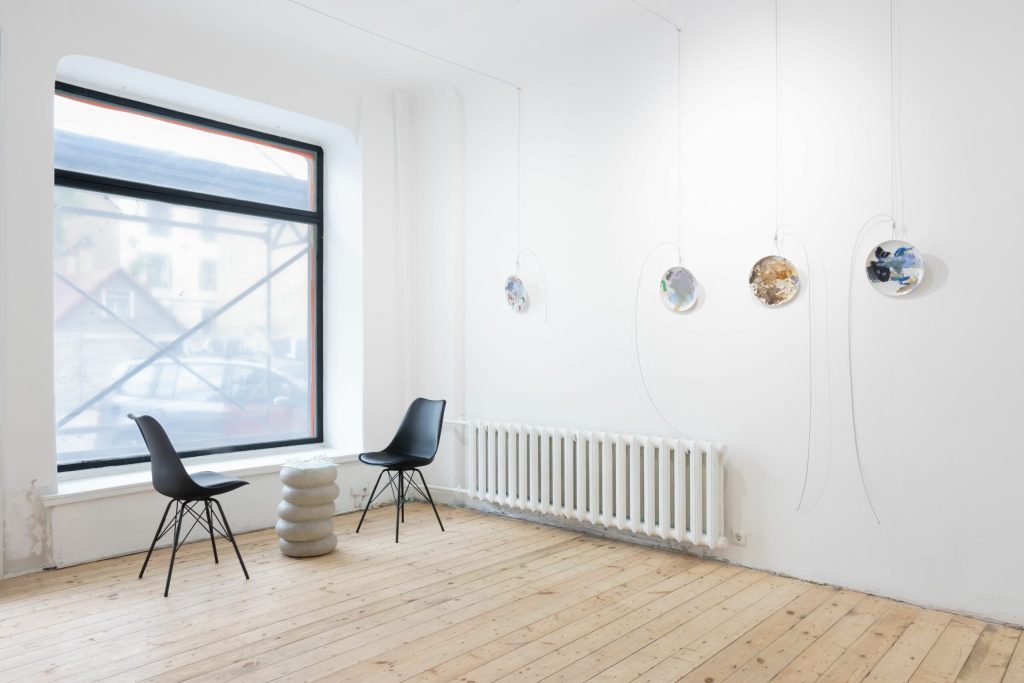
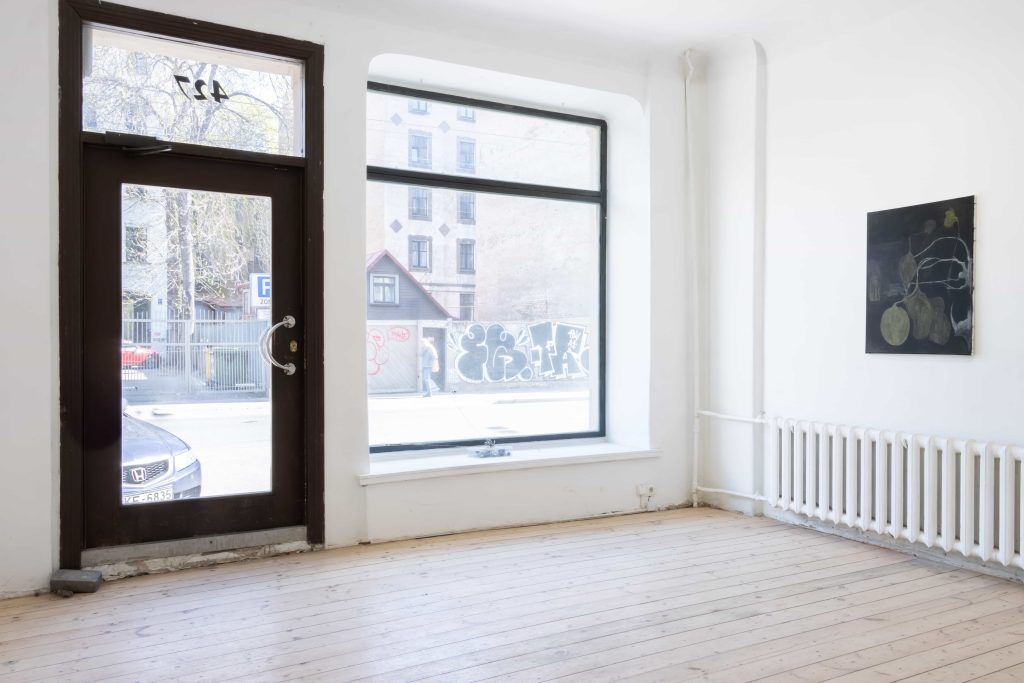
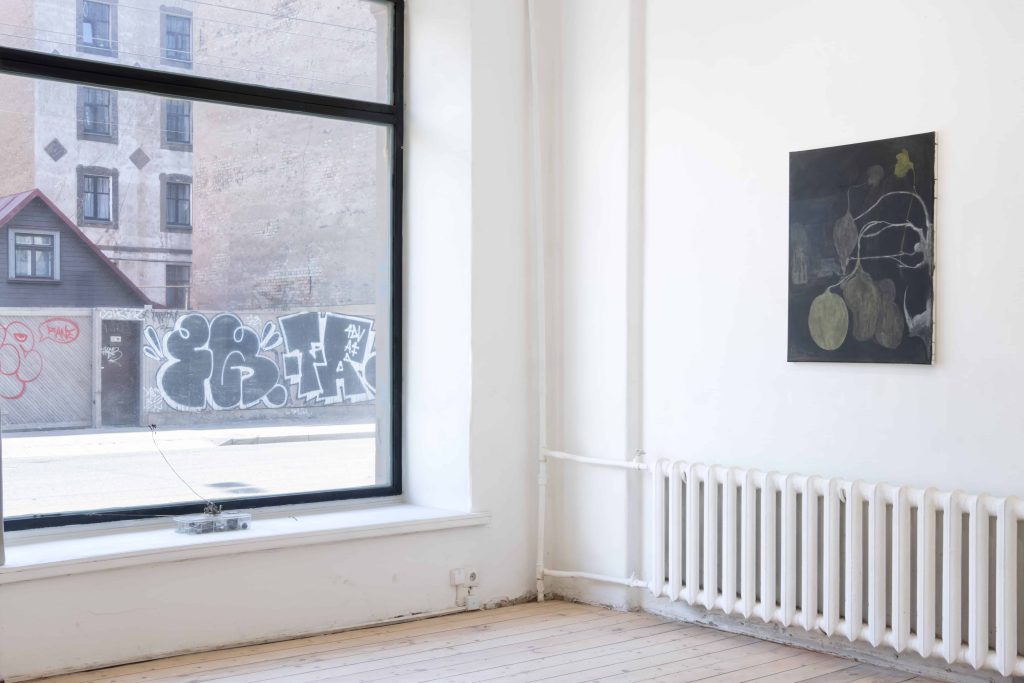
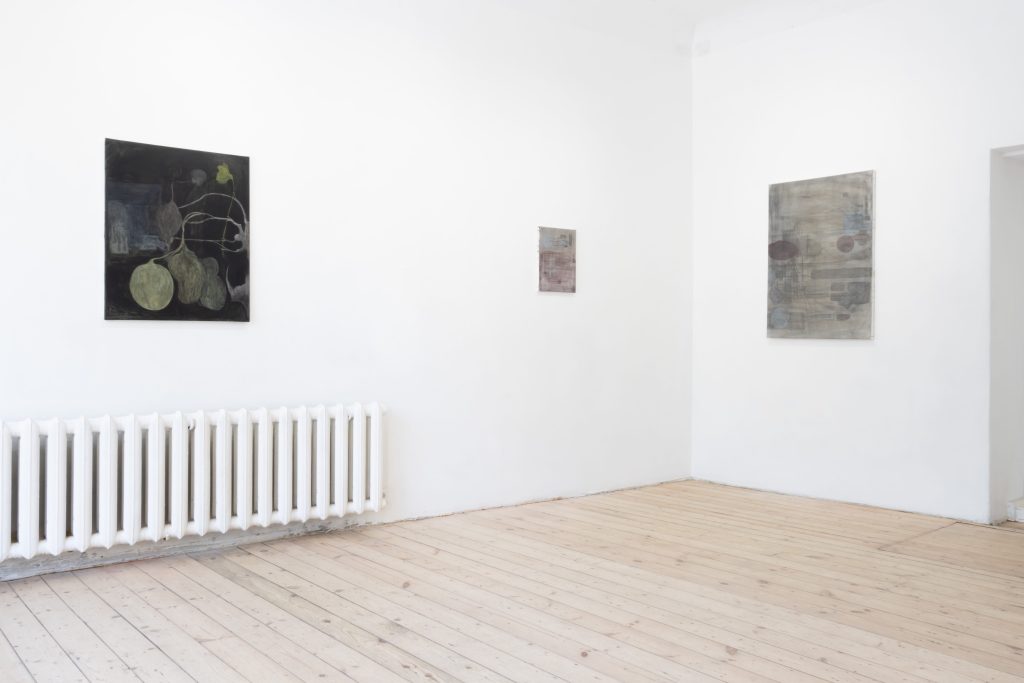
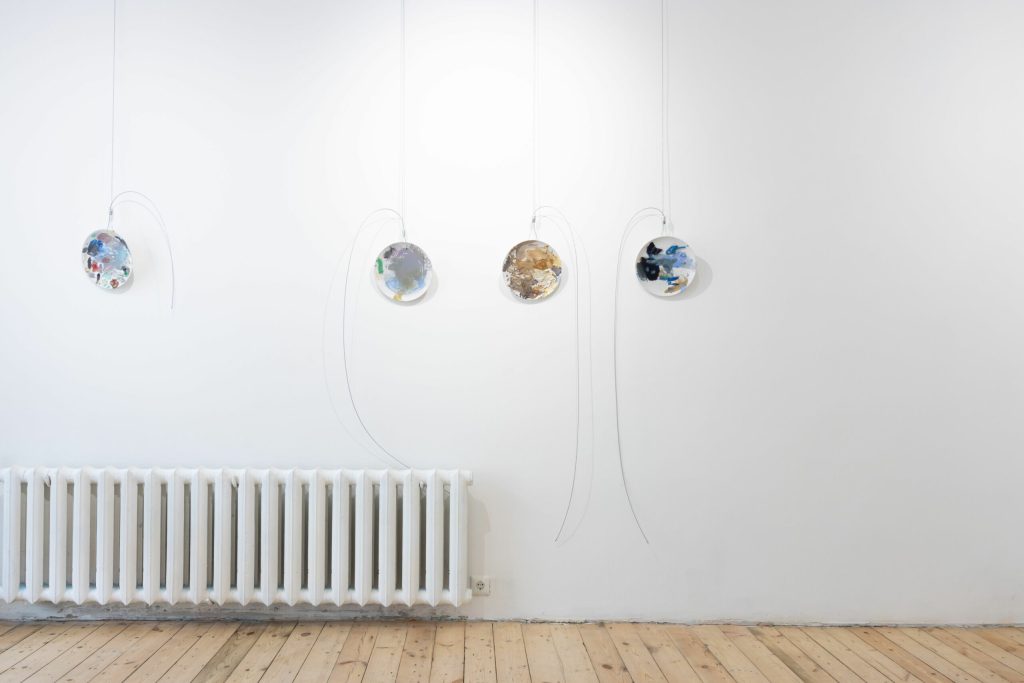
A terrestrial crustacean living undercrumbles of walls made from prehistoricorganisms
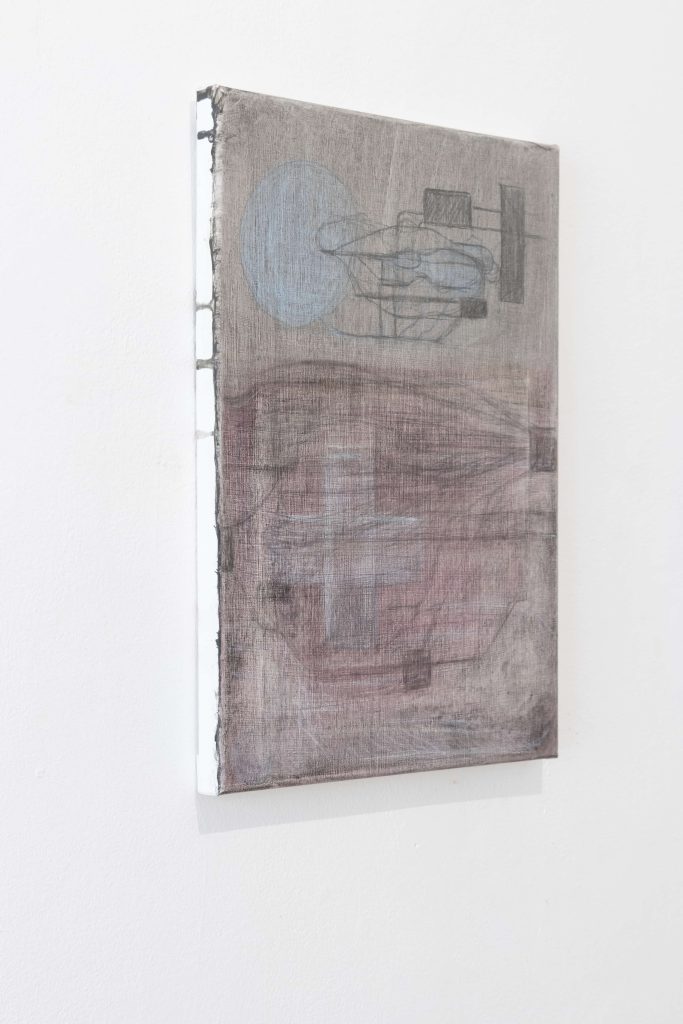
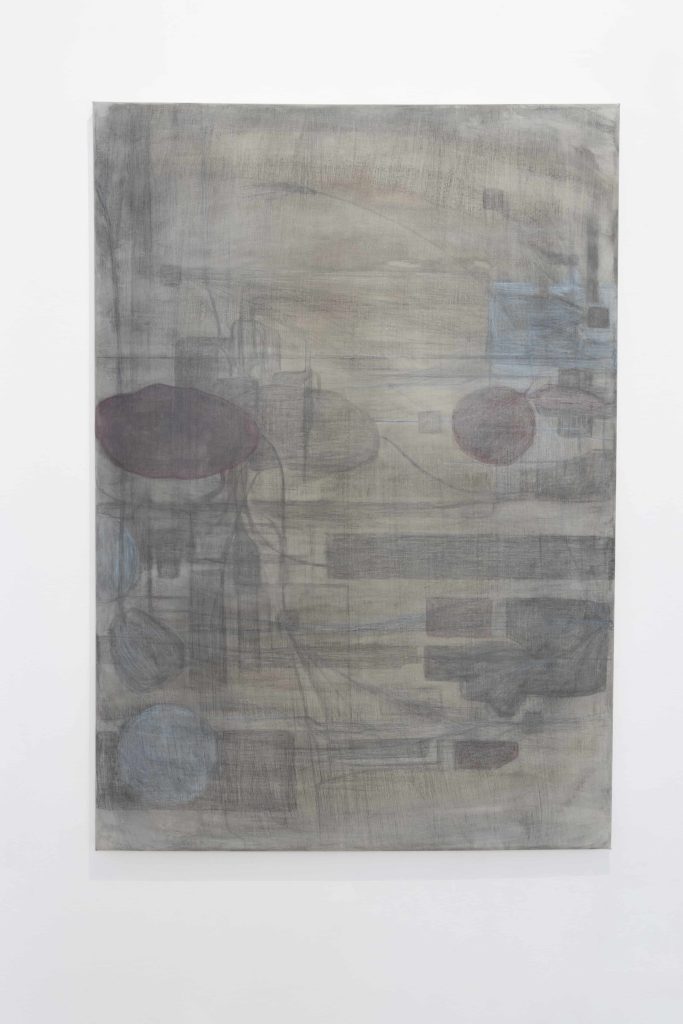
graphite, watercolor pencil and acrylic on canvas, 65x80cm, 2026

converge
graphite, watercolor pencil and acrylic on canvas, 30×40 cm, 2026

distributor
graphite, watercolor pencil on canvas, 100×70 cm, 2026

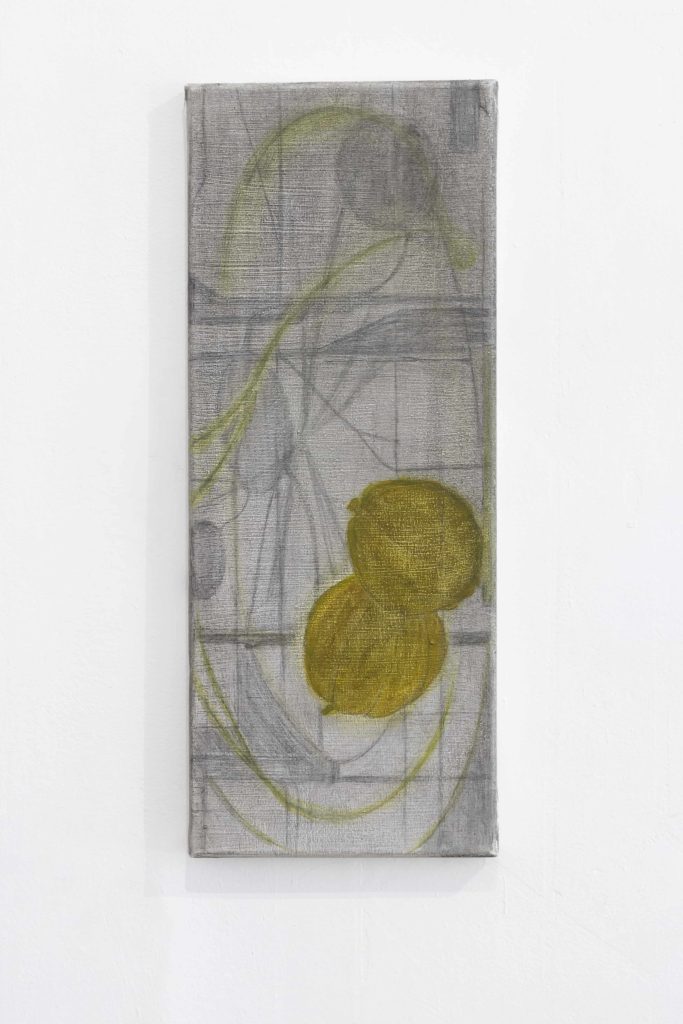
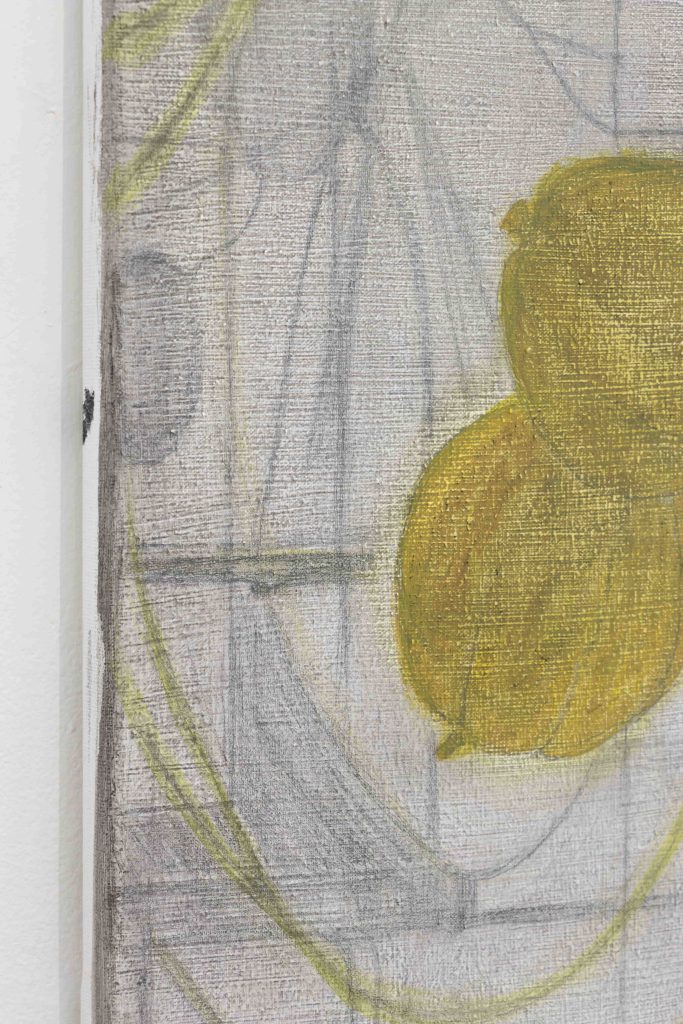
garden
graphite, watercolor pencil and acrylic on canvas, 20×50 cm, 2026

membrane city setup
graphite, watercolor pencil, soft pastel and acrylic on canvas, 65×81 cm, 2026

glistening germ atom
graphite, watercolor pencil, soft pastel and acrylic on canvas, 30x50cm, 2026

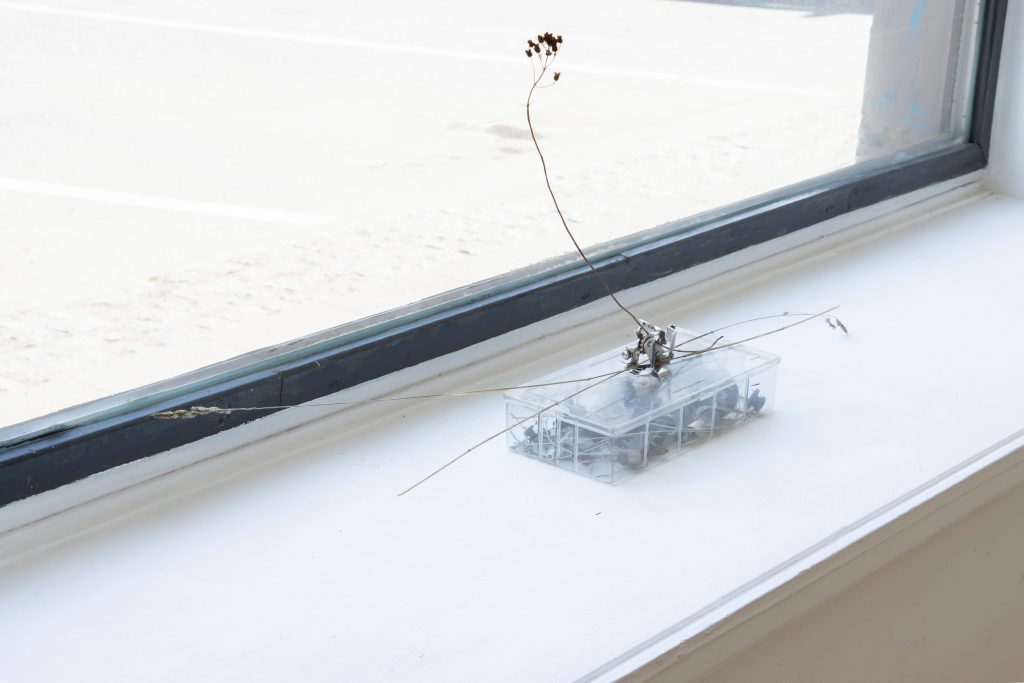
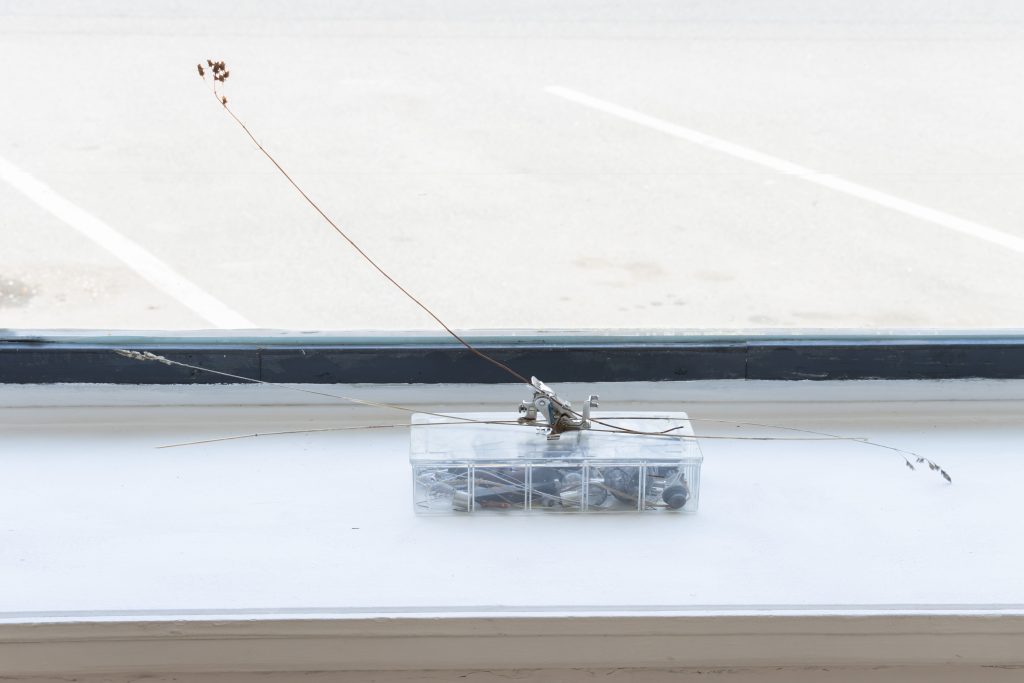
clock
various objects and plants in plastic box, sewing machine mechanism,variable dimensions, 2026

Photos: Līva Priedīte

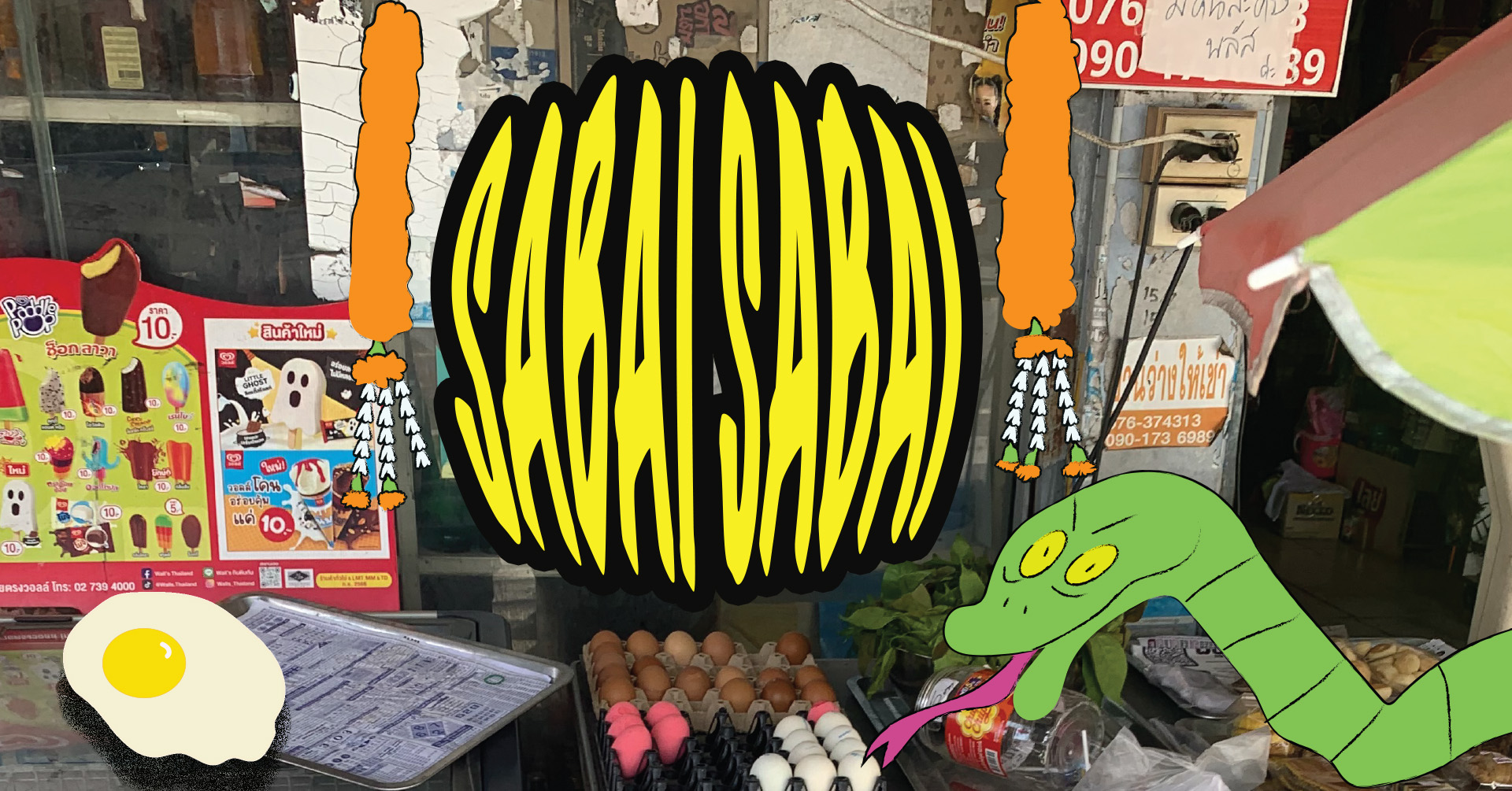
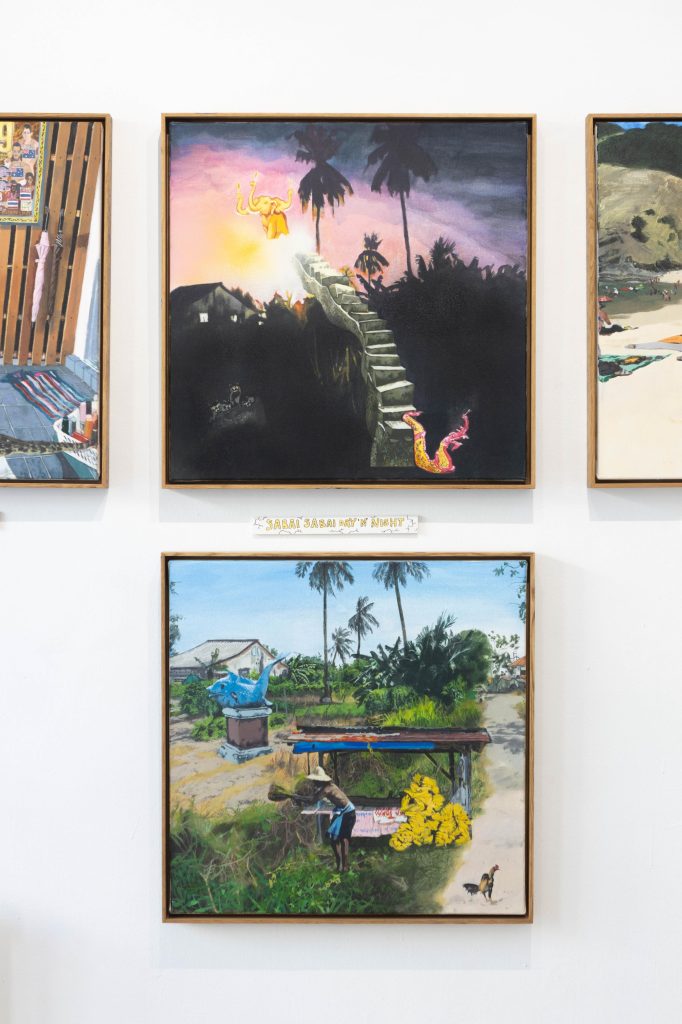
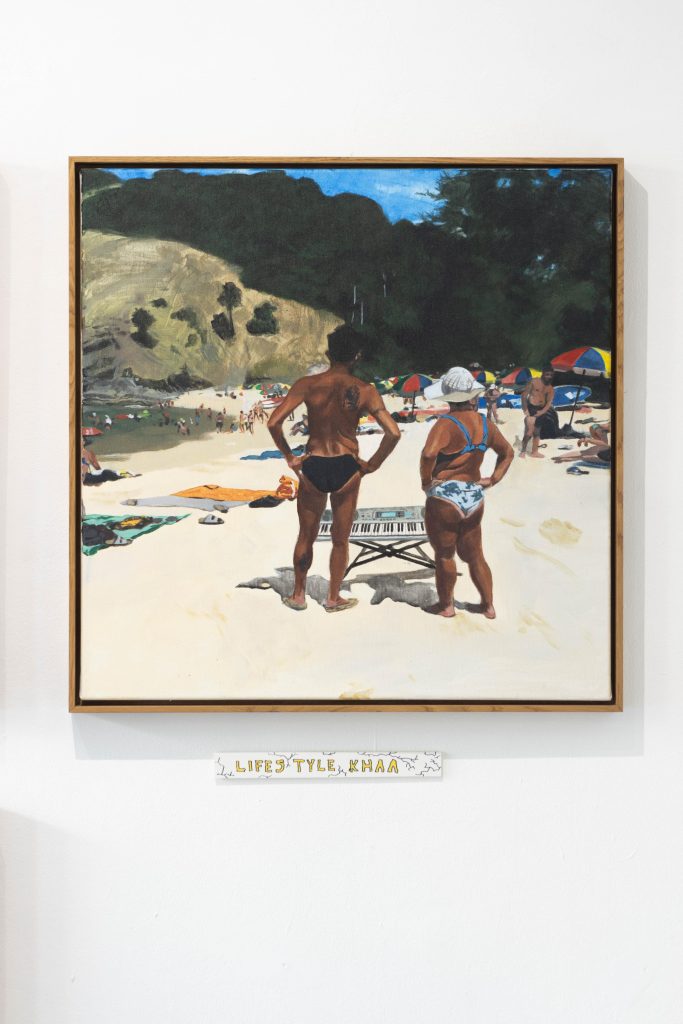
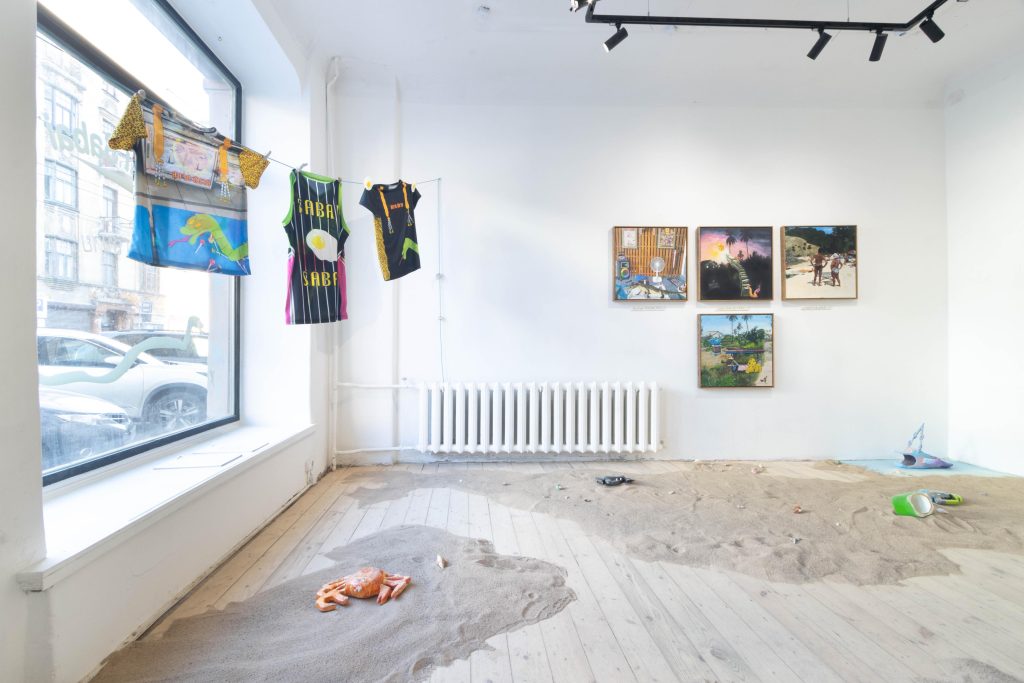
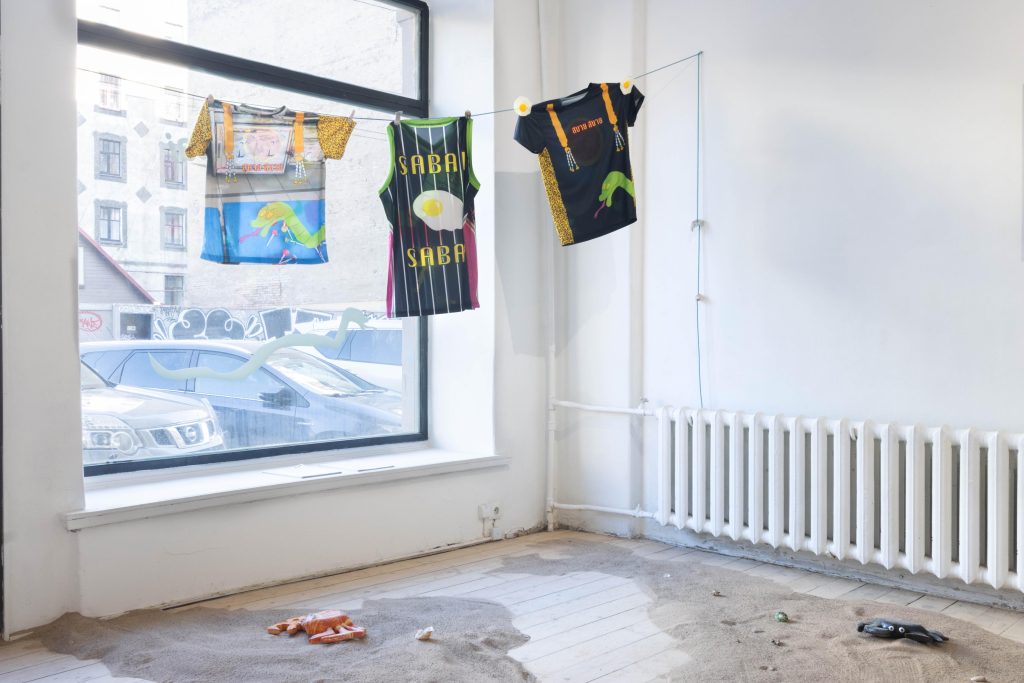
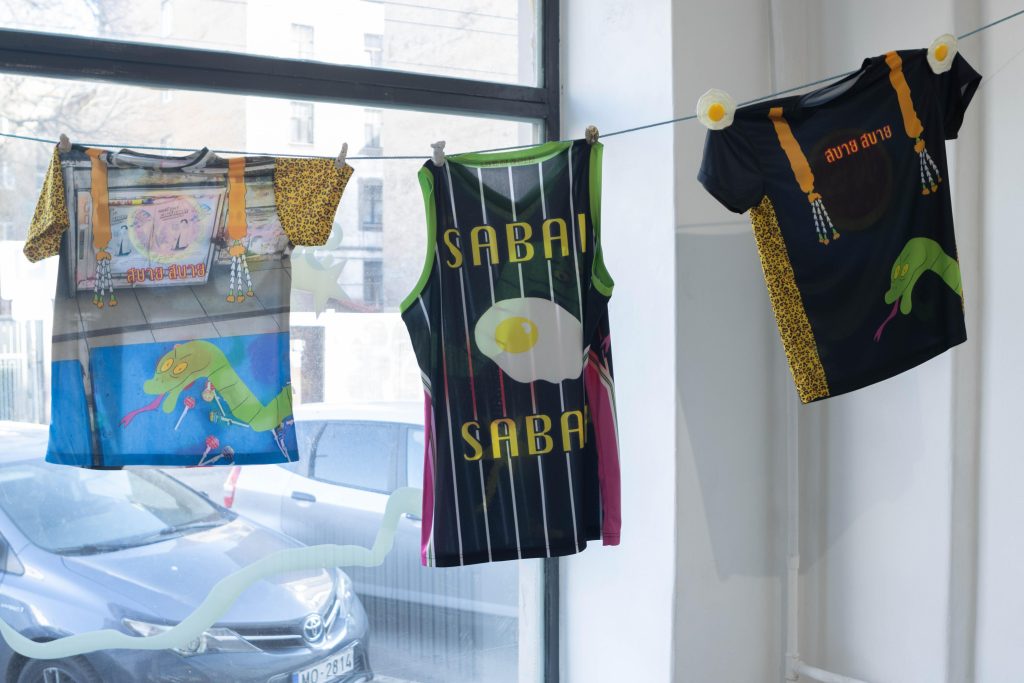
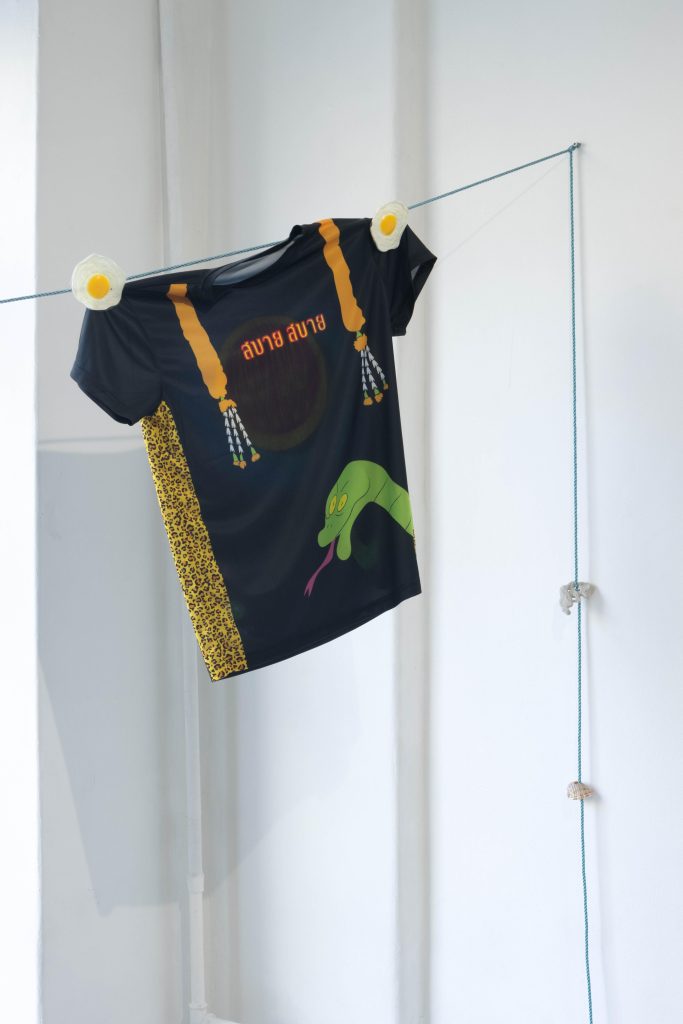
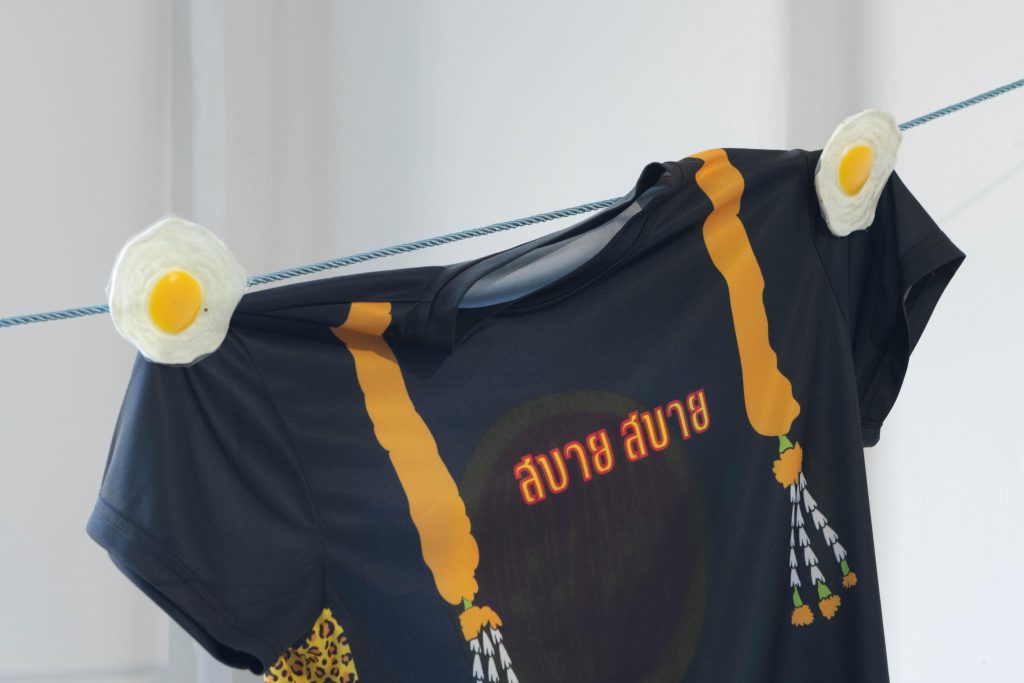
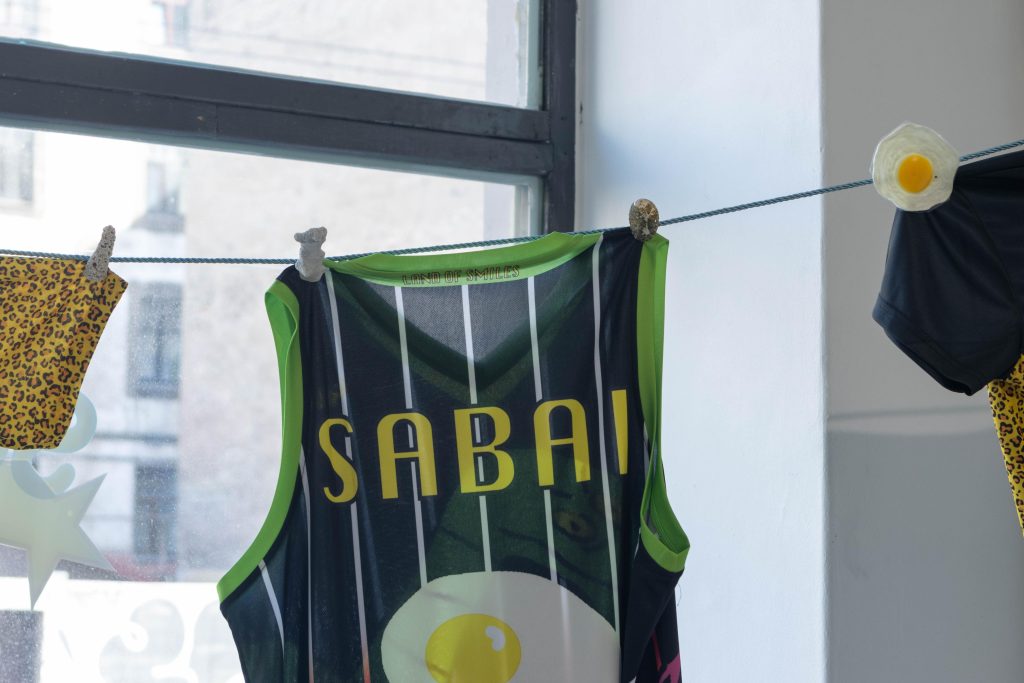
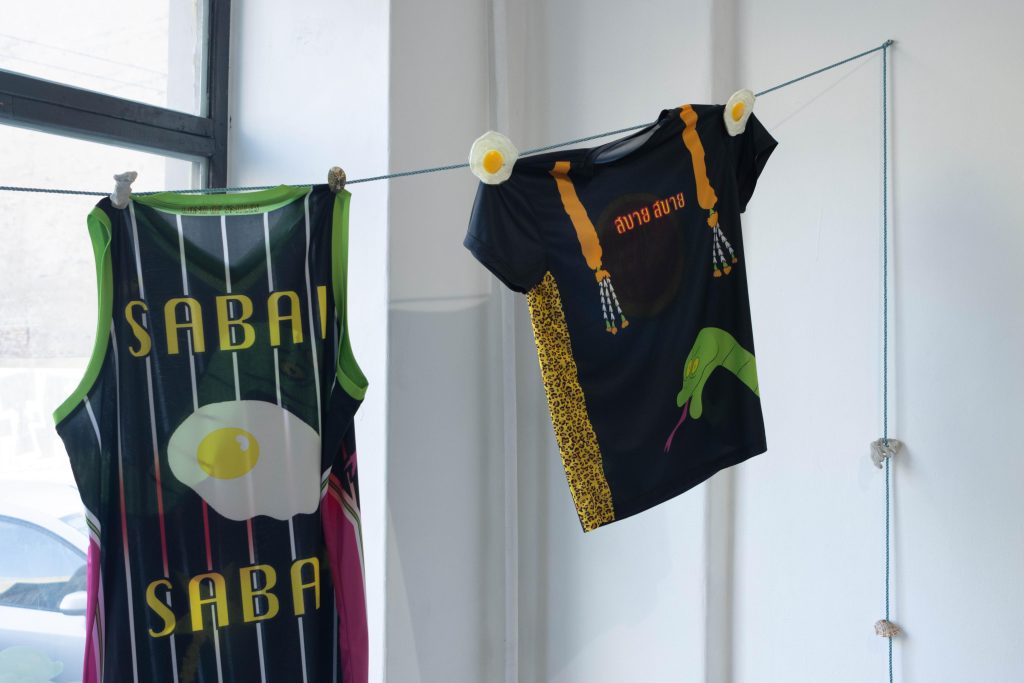
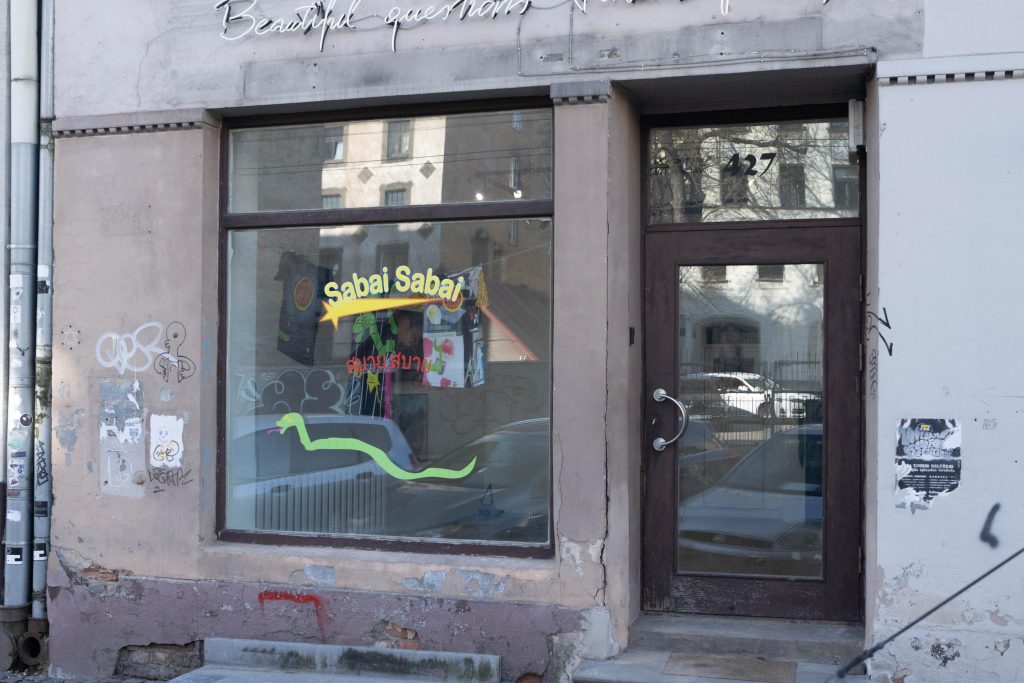
Sabai Sabai

Sabai Sabai
Margrieta Griestiņa
06/03 – 11/04/2026

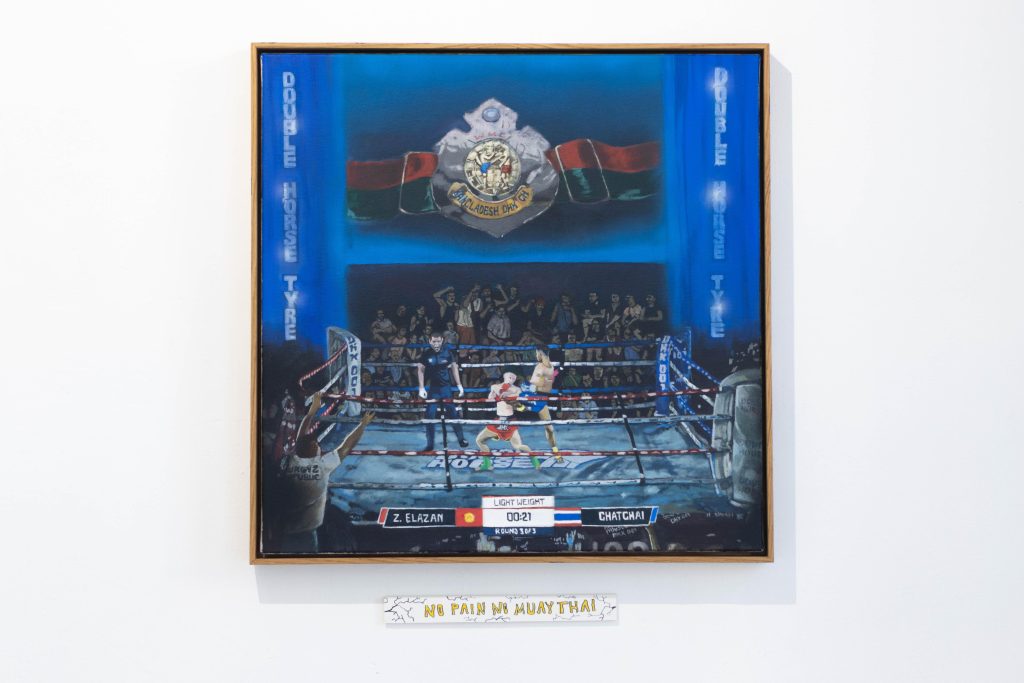
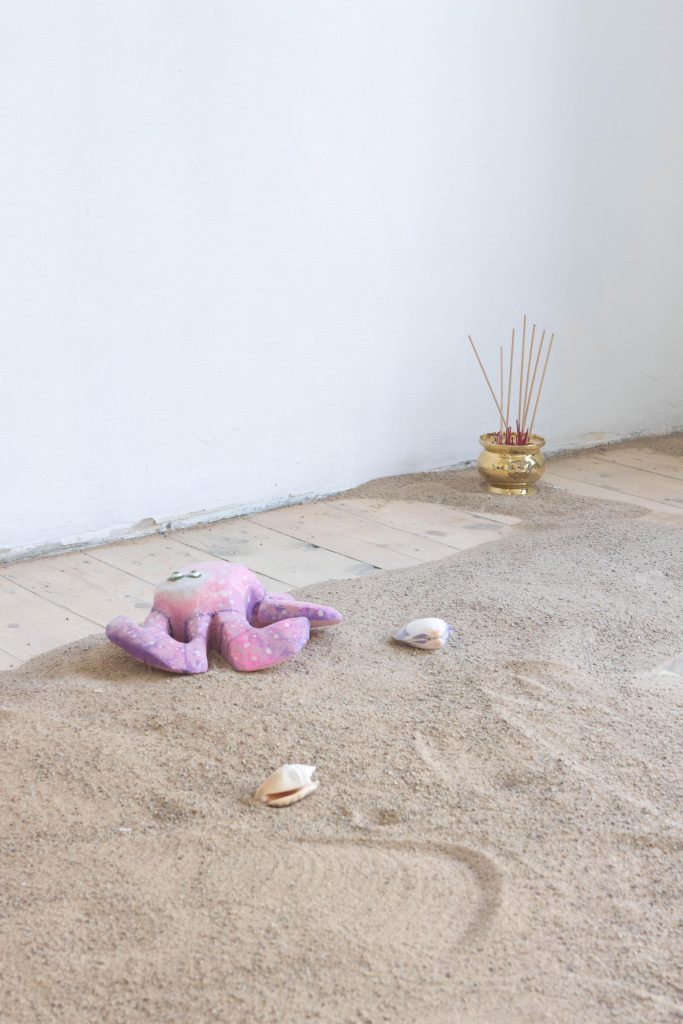
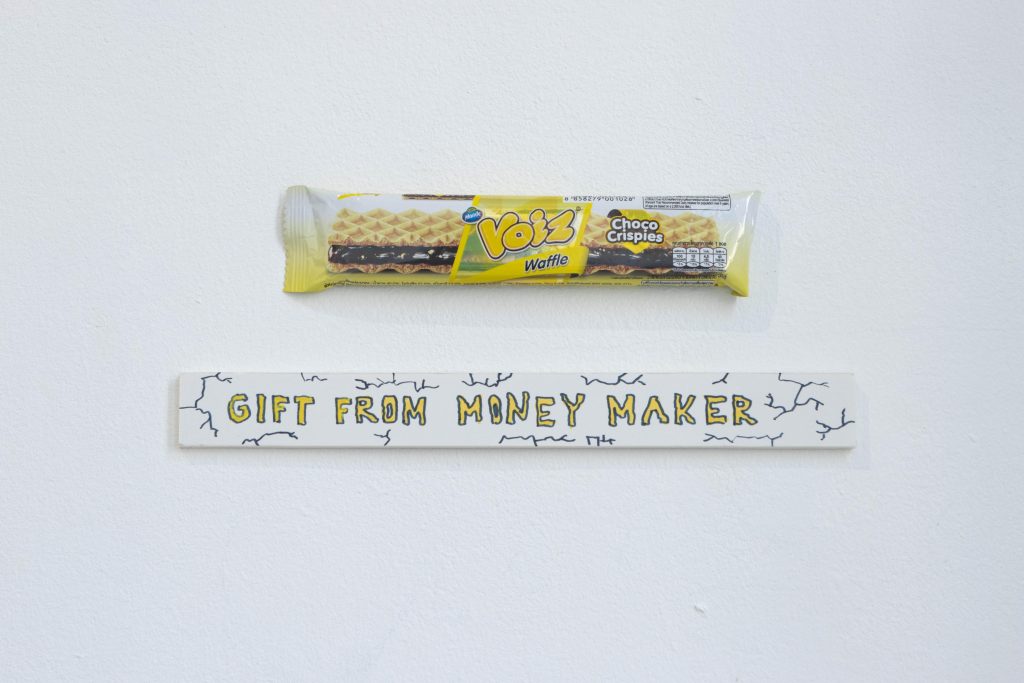
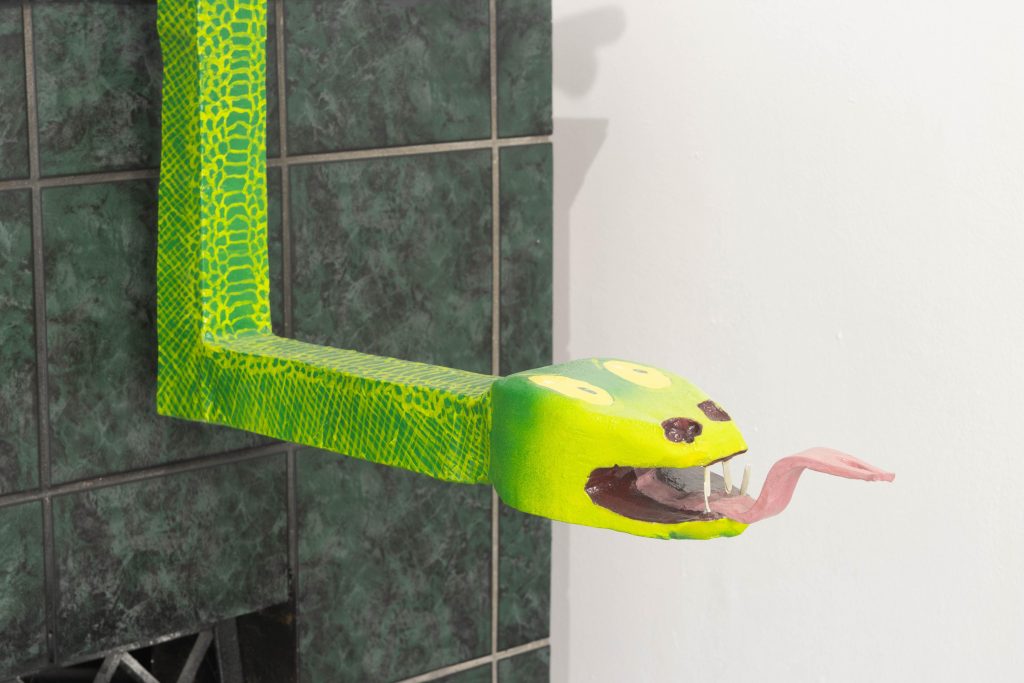
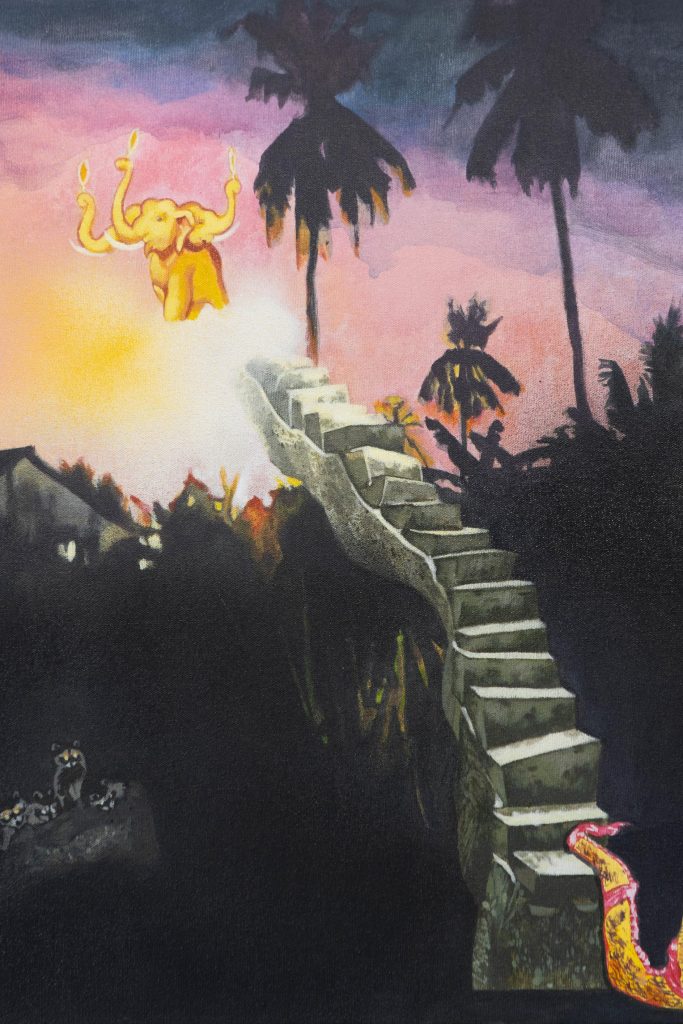
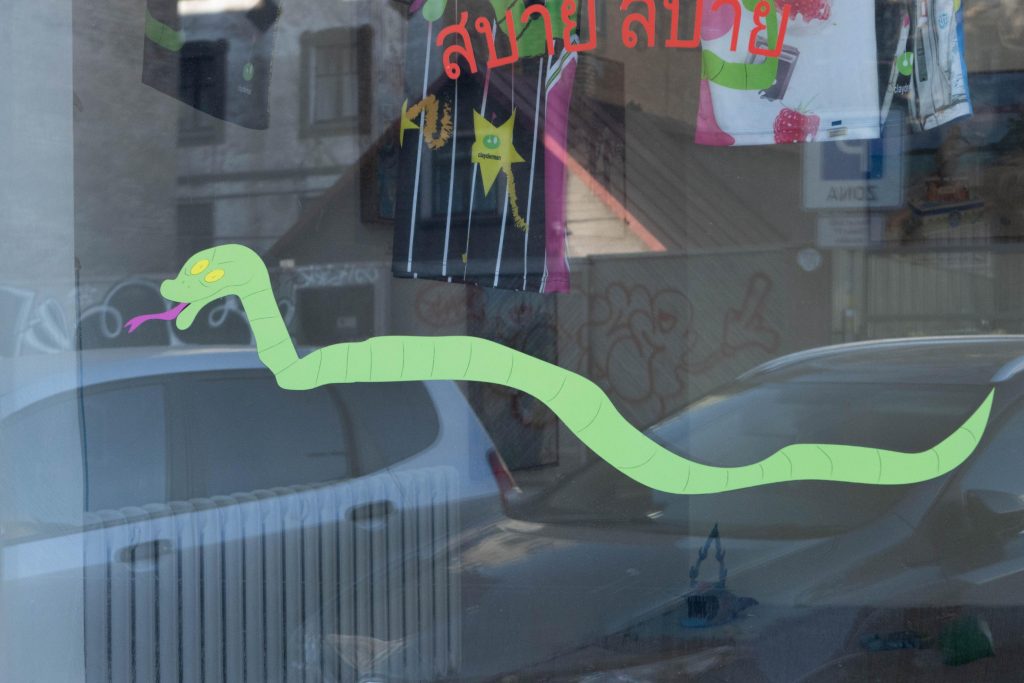
When Murčello began to tear apart the Yucatan Peninsula with his nails, a rock that had faded in the sun and crumbled into slabs appeared. Margrieta was trapped between them, hibernating like a vinyl sticker. With tiger whiskers and axolotl eyes.

เมื่อมูร์เชลโลเริ่มใช้กรงเล็บฉีกคาบสมุทรยูกาตัน หน้าผาที่ซีดจางจากแสงแดดและแตกสลายเป็นแผ่น ๆ ก็เผยตัวออกมา ระหว่างชั้นหินนั้น มาร์กรีเอตาหลับจำศีลติดอยู่ ราวกับแผ่นไวนิลที่ถูกลอกออก มีหนวดเสือและดวงตาแอกโซลอเทิล

– Viestarts Gailītis

Margrieta, together with like-minded people, organizes MABOCA events in Madona and is part of the art collectives GolfClayderman and Shady Ladies.

During the opening there will be performances by TV Maskava and Multilux.

Support: VKKF (State Culture Capital Foundation), Riga Municipality
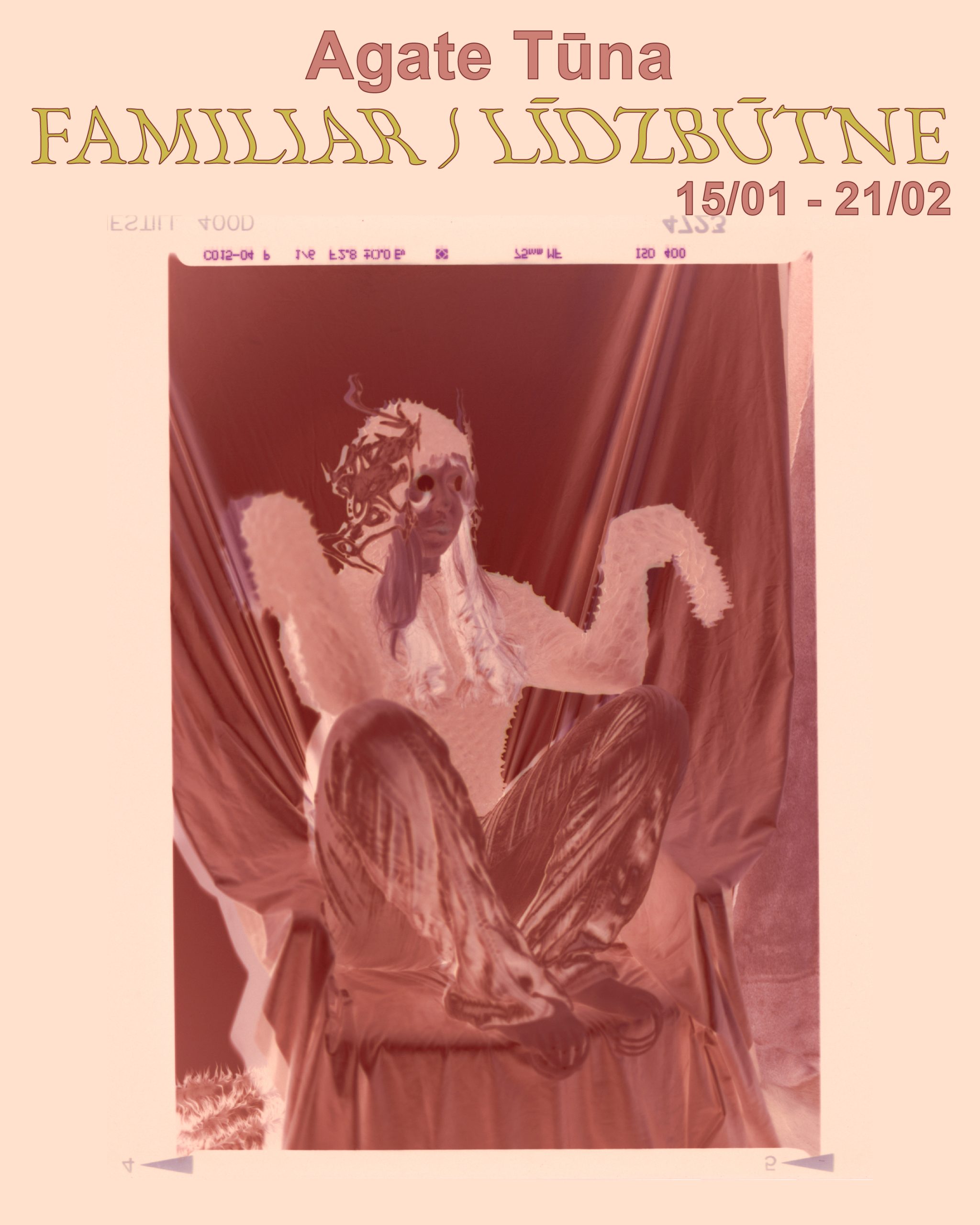
FAMILIAR / LĪDZBŪTNE

FAMILIAR / LĪDZBŪTNE
Agate Tūna
15/01 – 21/02/2026

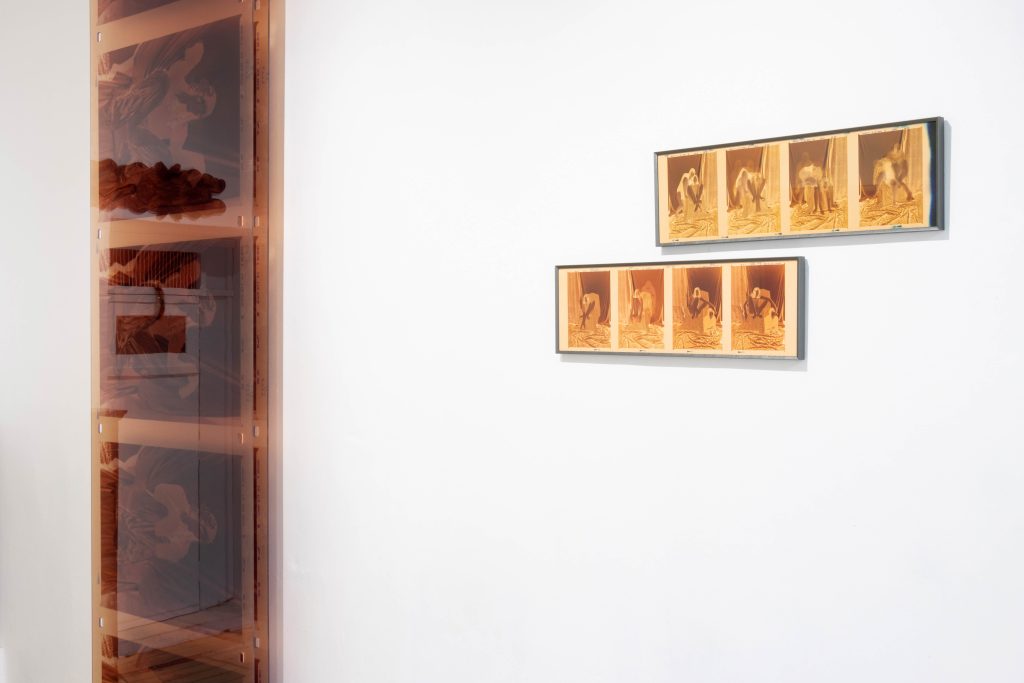
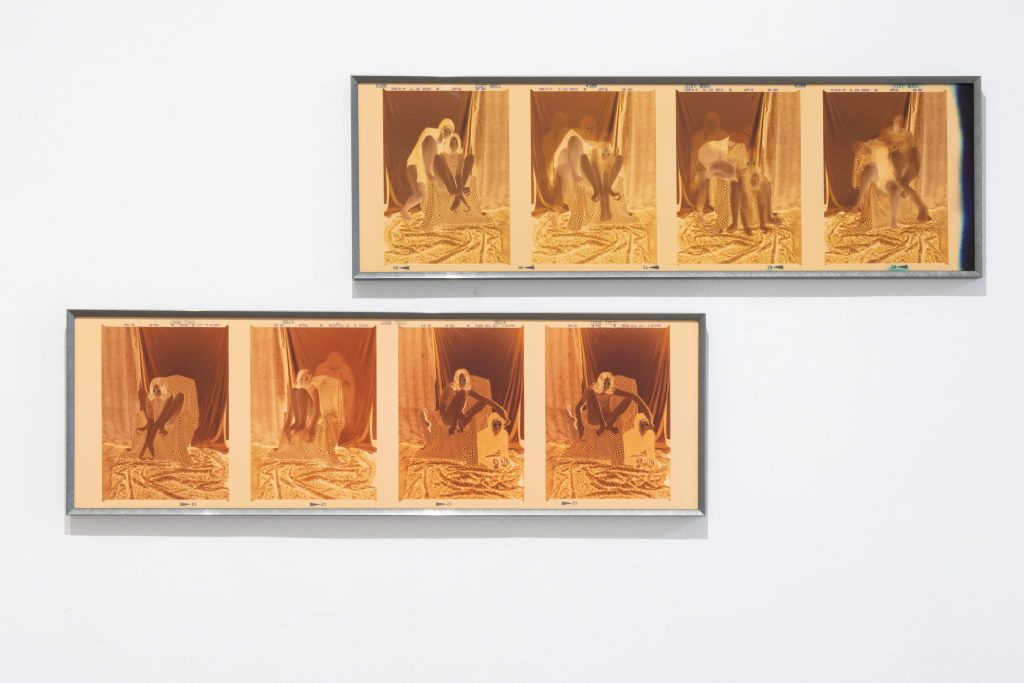
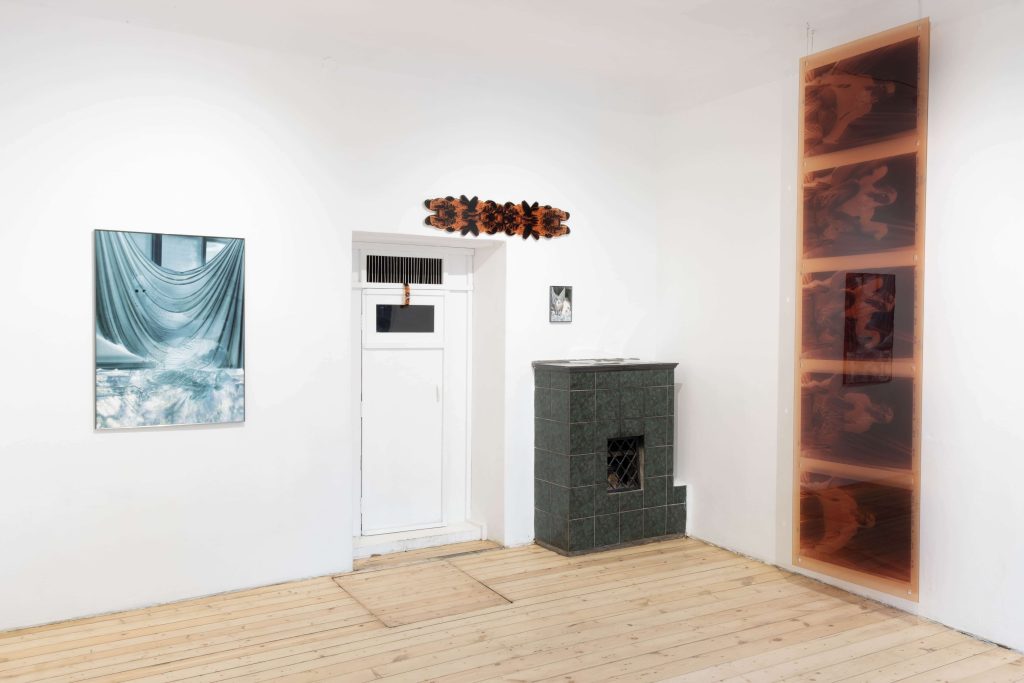
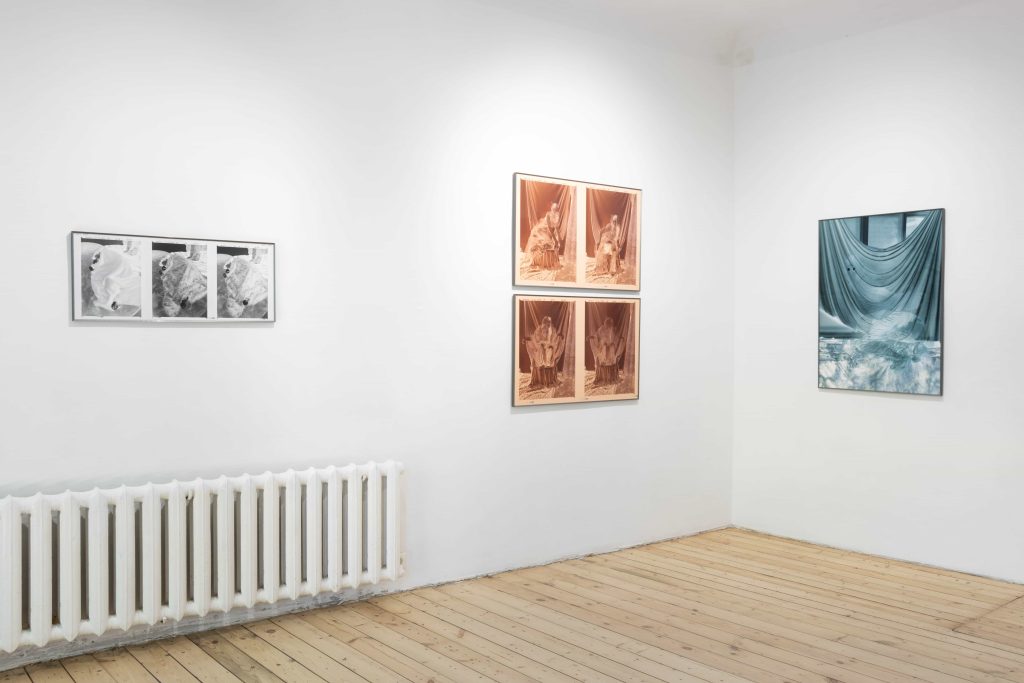
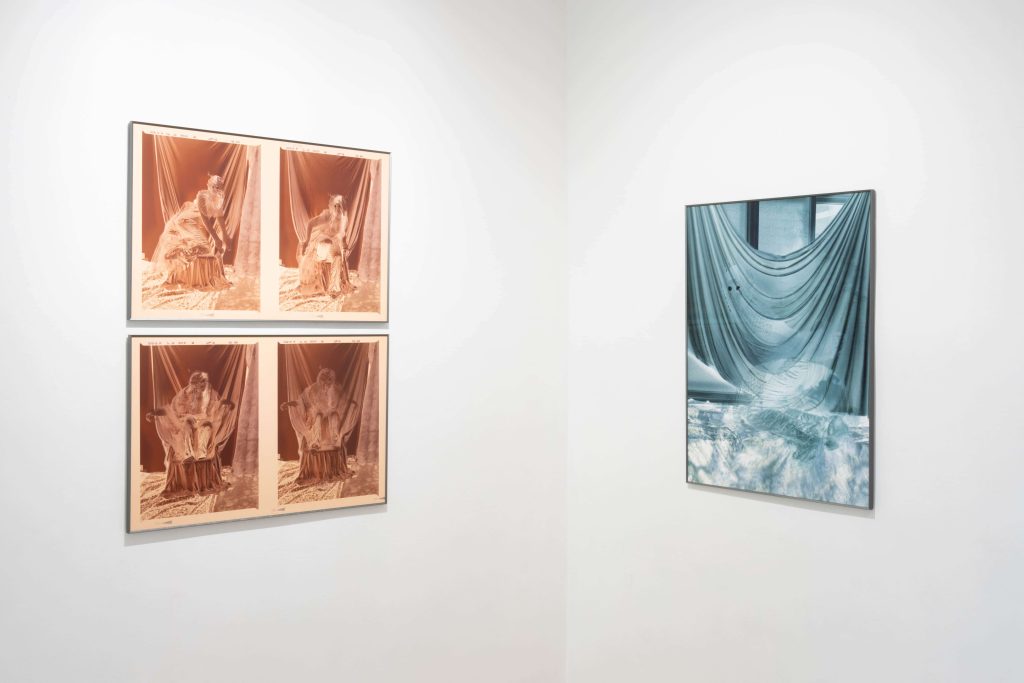
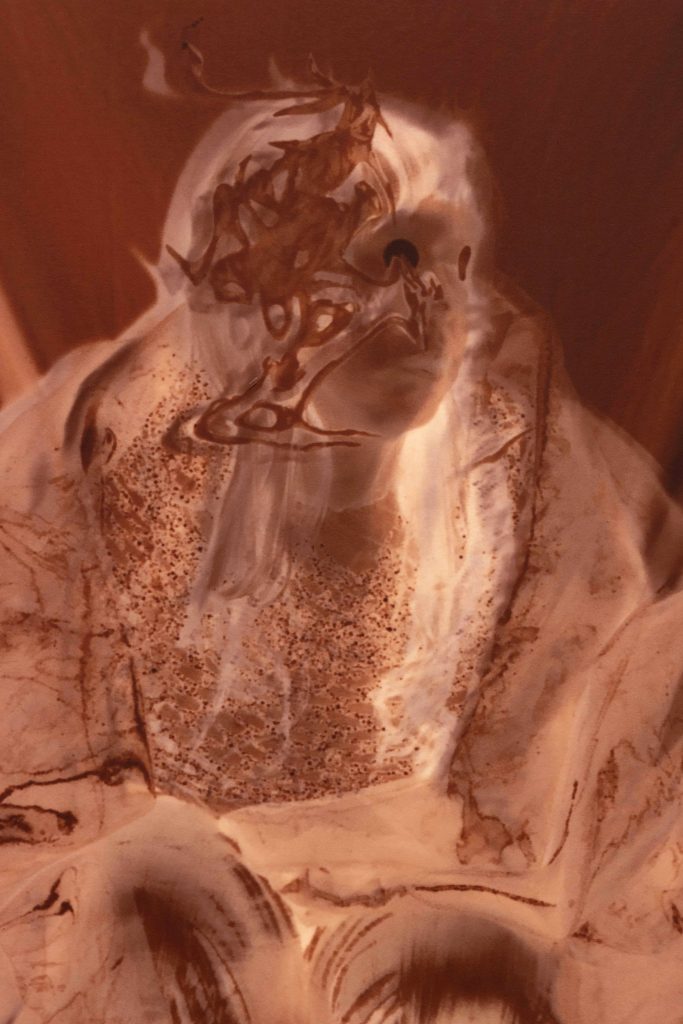
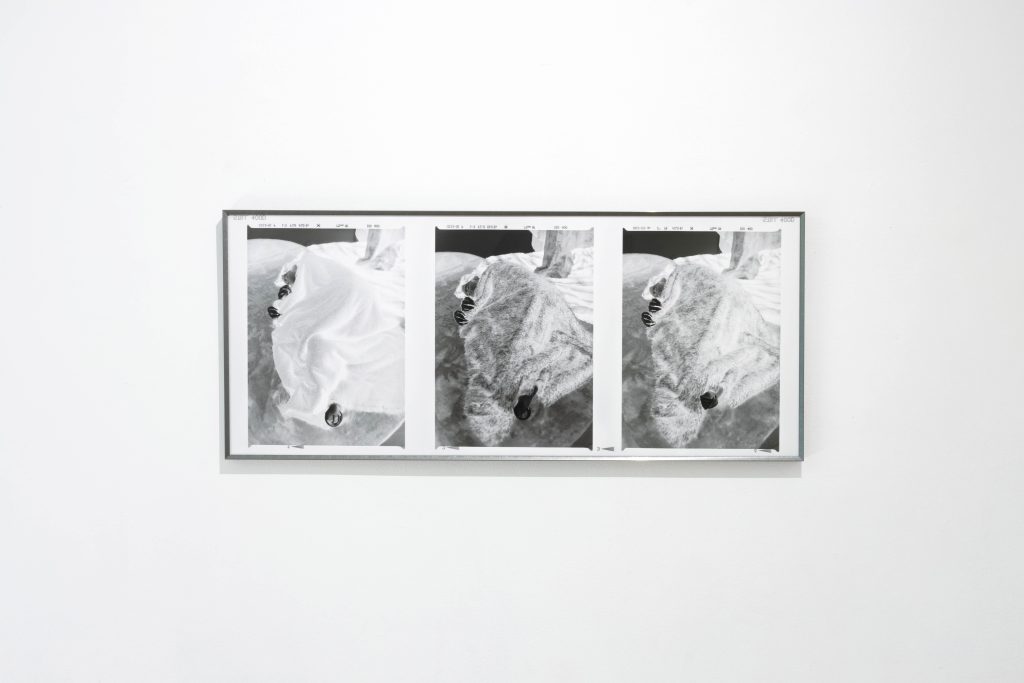
What remains present when an image is transferred from one body to another?
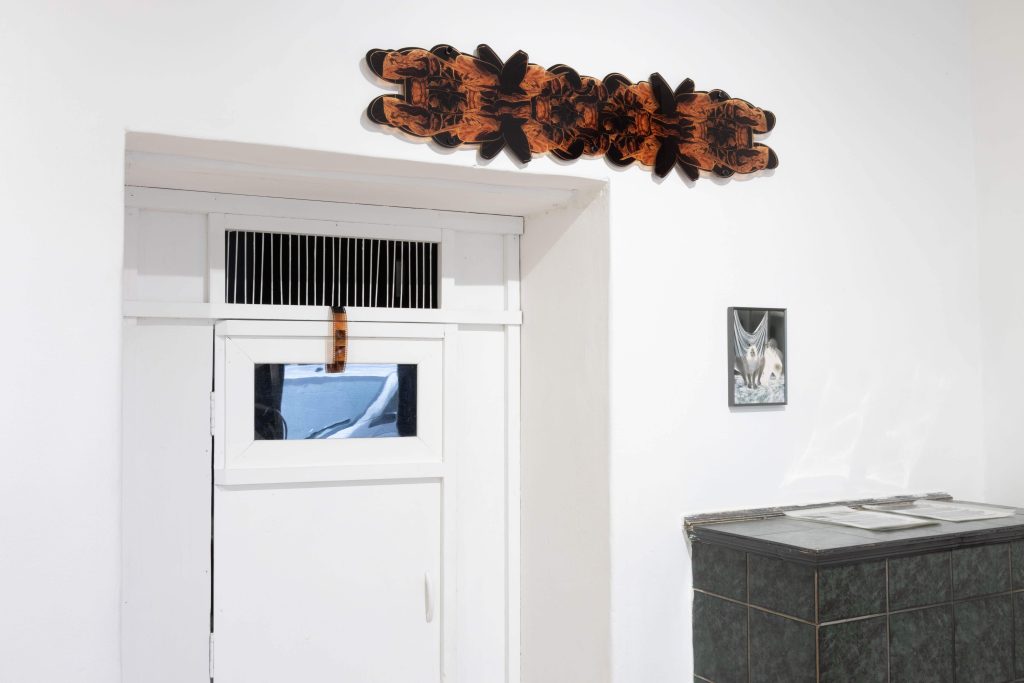
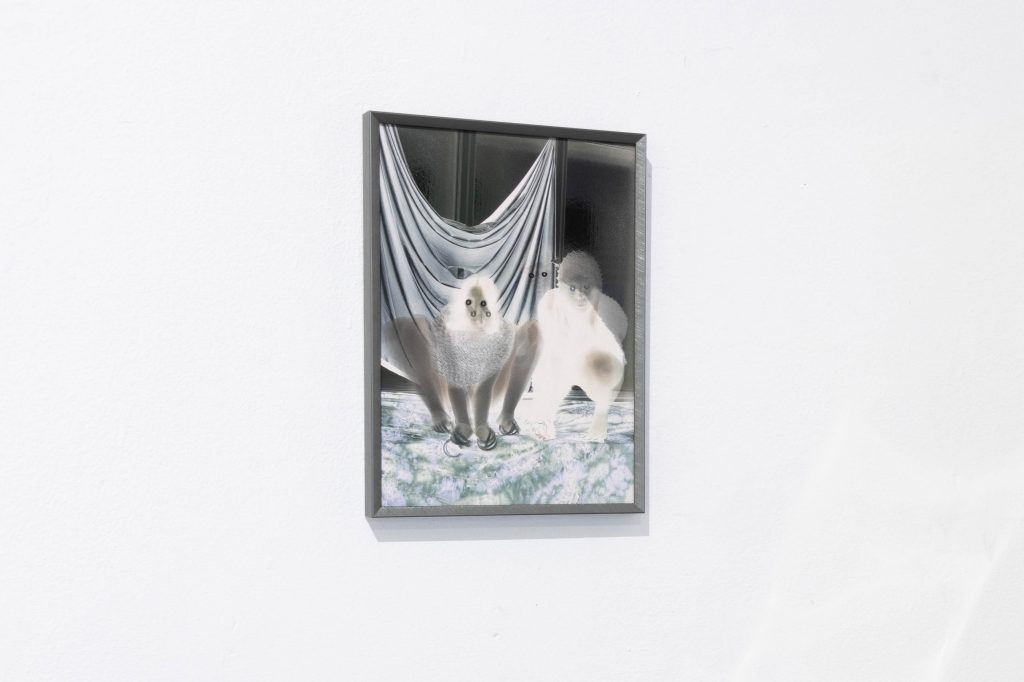
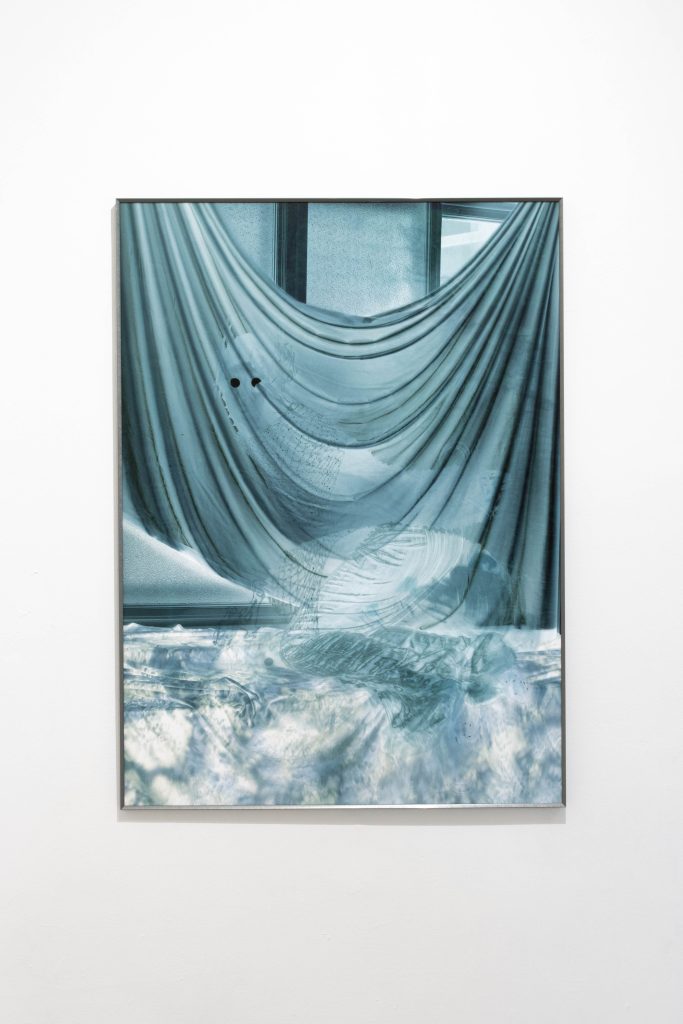
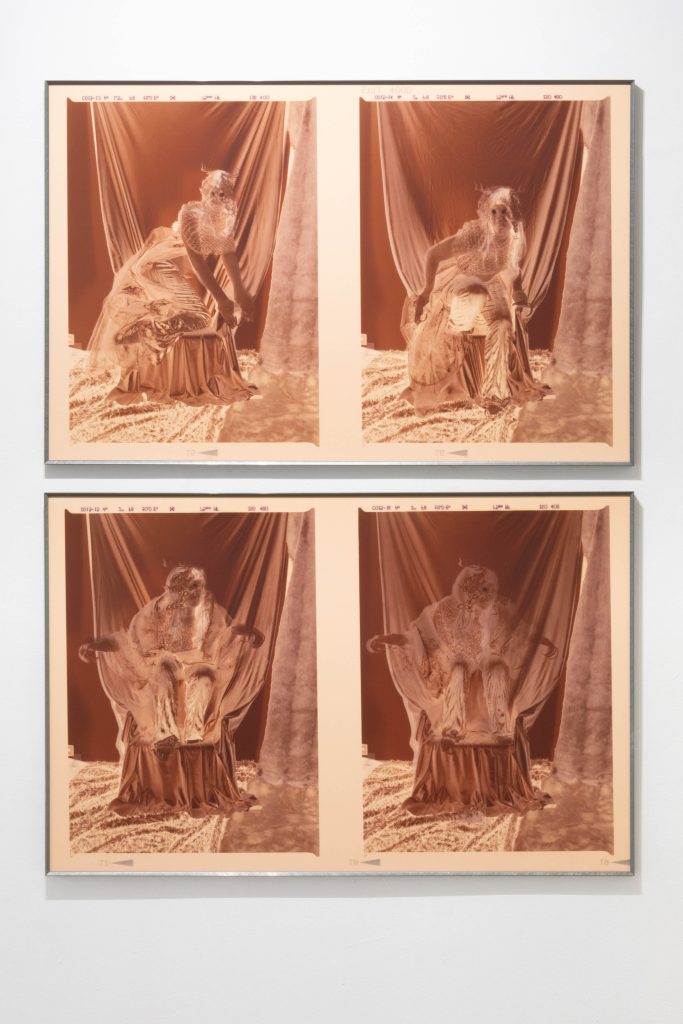
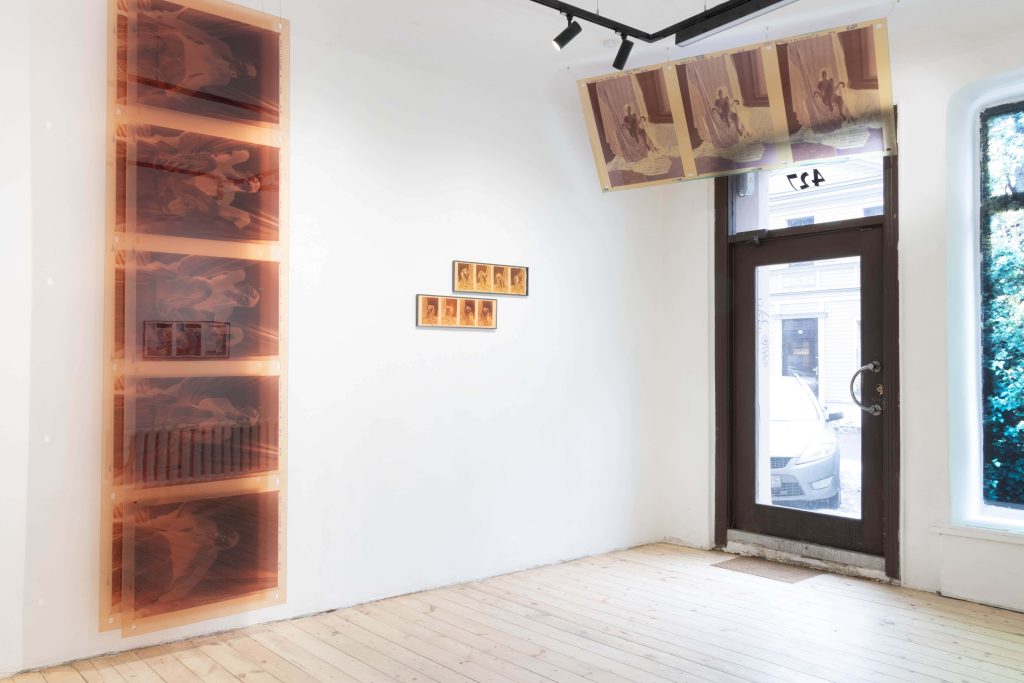
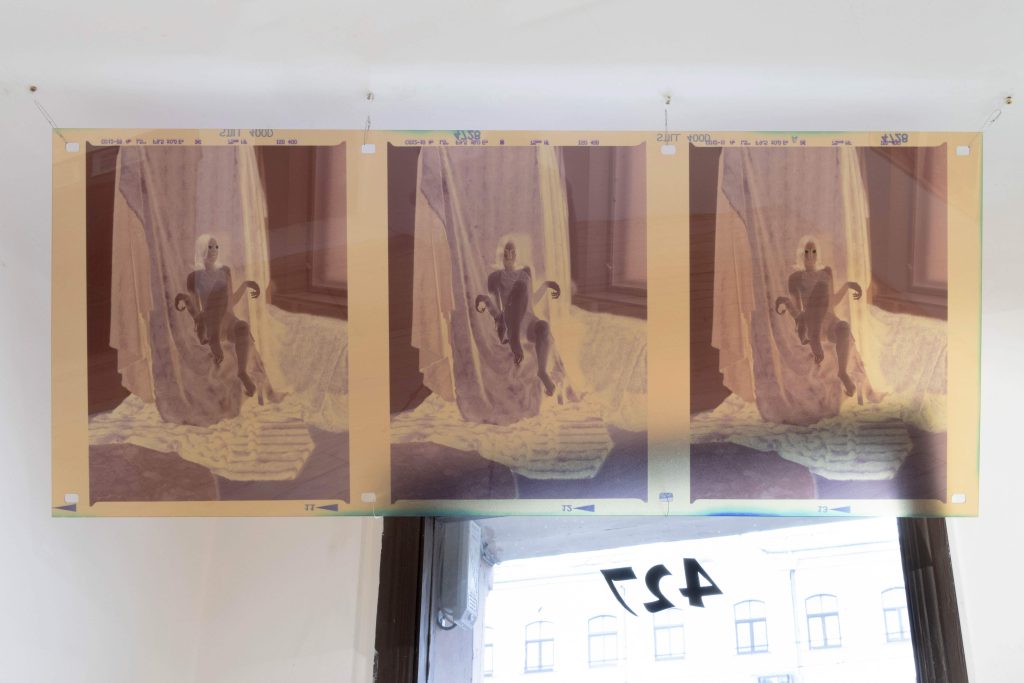
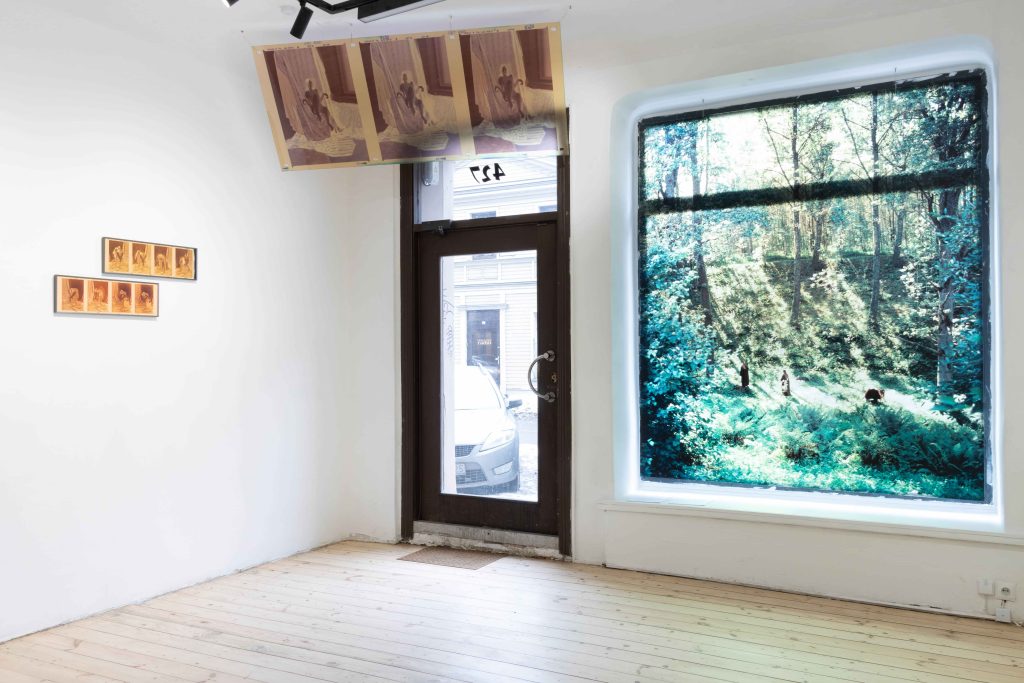
The exhibition considers the photographic image as a familiar. Not as representation or proof, but as an accompanying form. It exists in the relationships between materials, between people, between presence and memory.

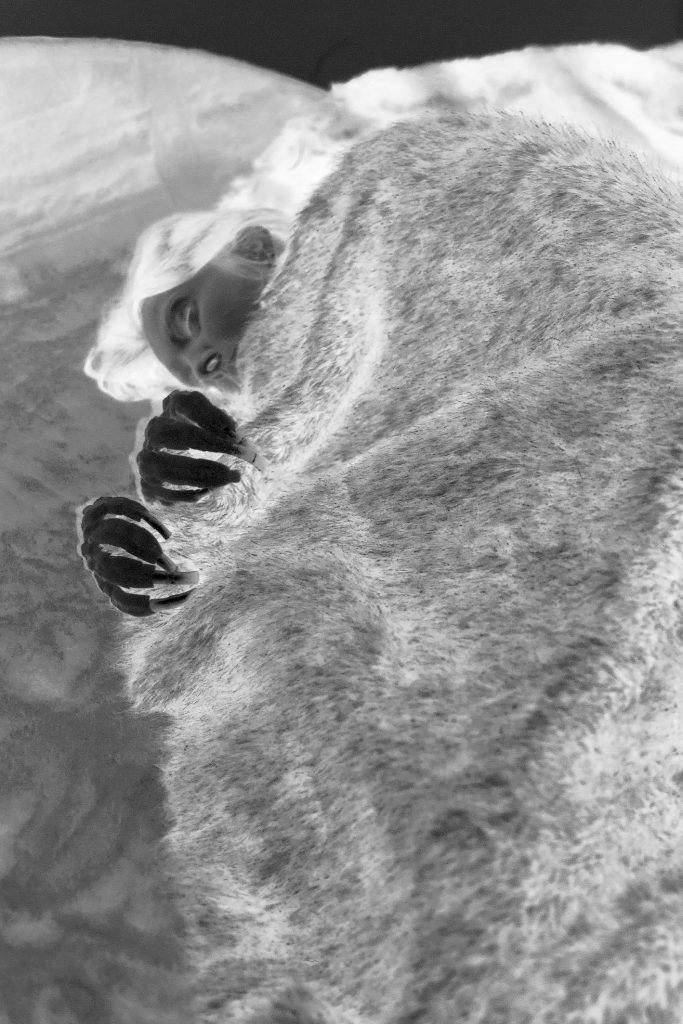
The concept of familiar (familiar spirit) refers to a non-human companion, a being that is permanently attached to a witch or other practitioner of magic. A familiar is a relationship structure based on long-term coexistence. Often this being takes the form of an animal, such as a cat, bird, dog, or toad. The exhibition offers a photographic image in this mode of coexistence, as a presence that follows and changes along with the medium.

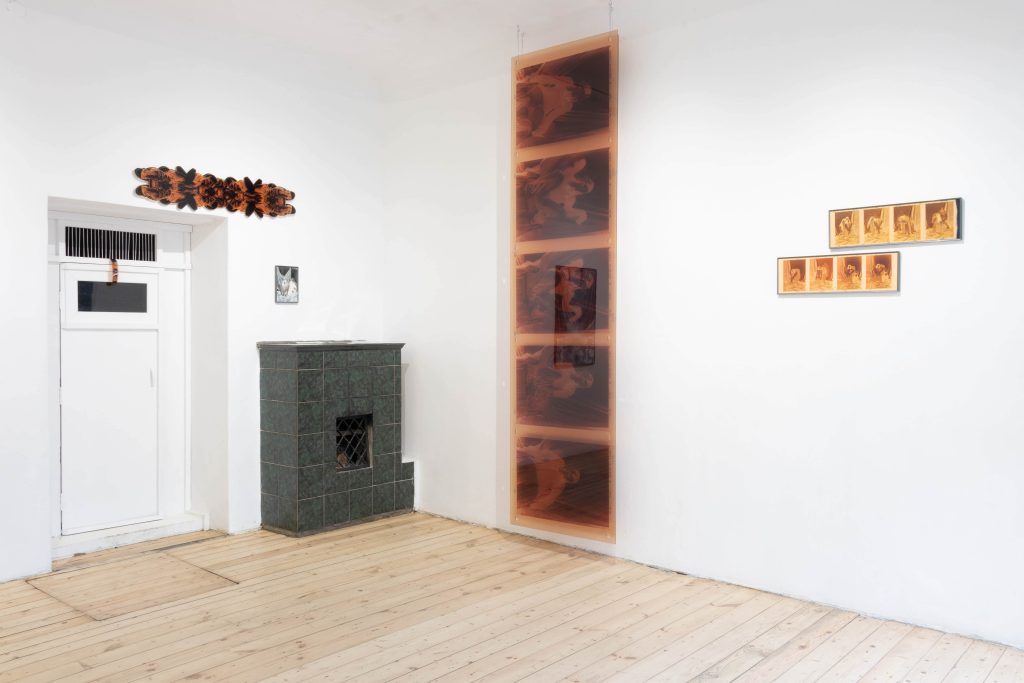
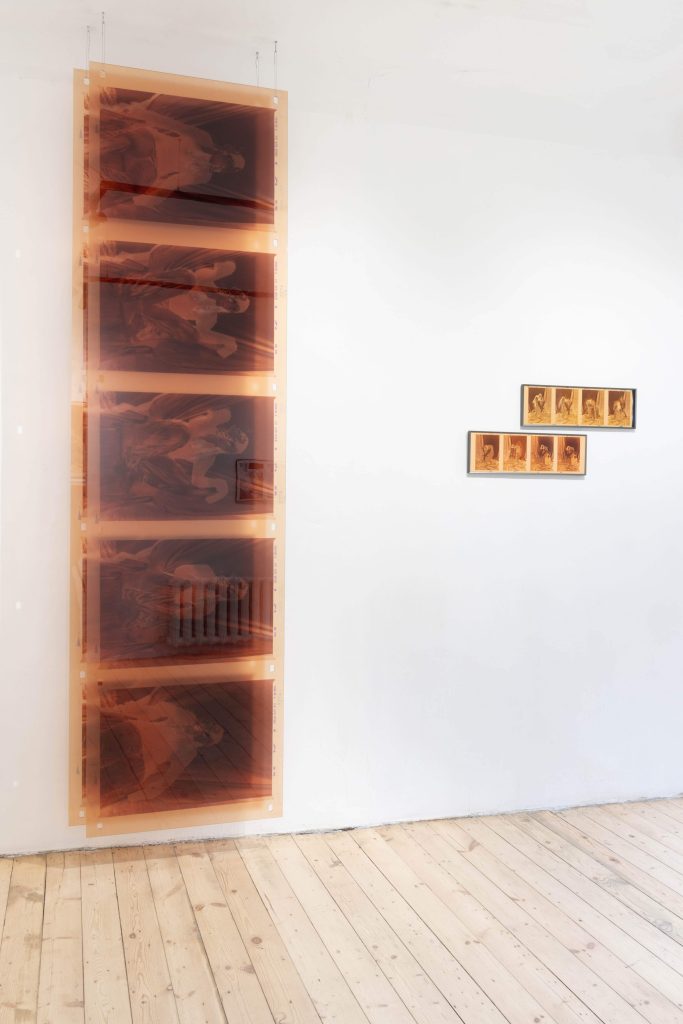
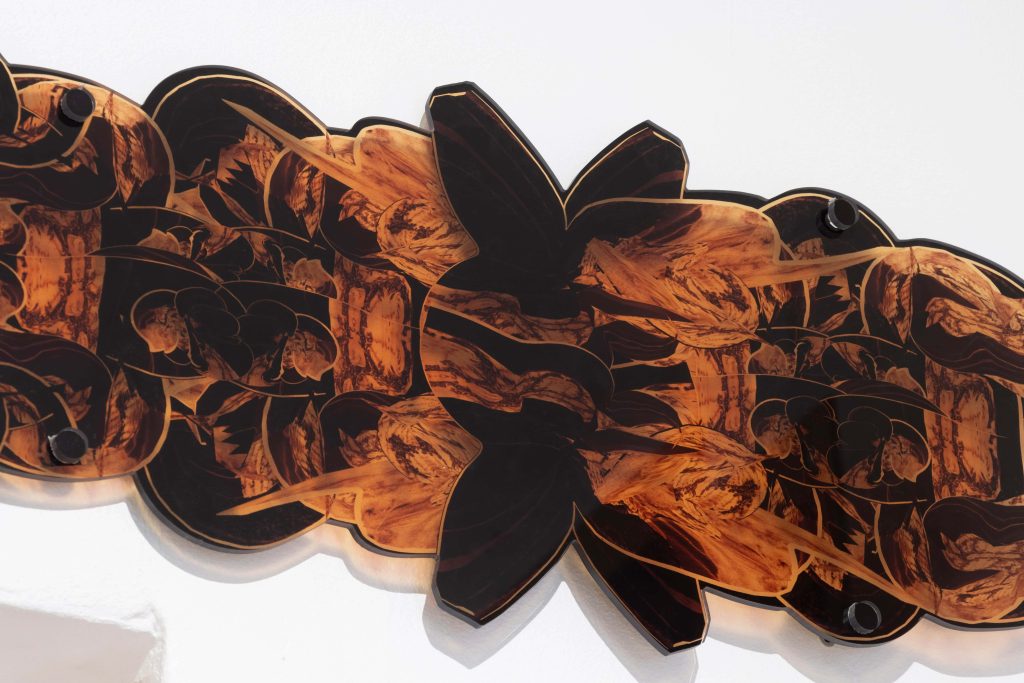
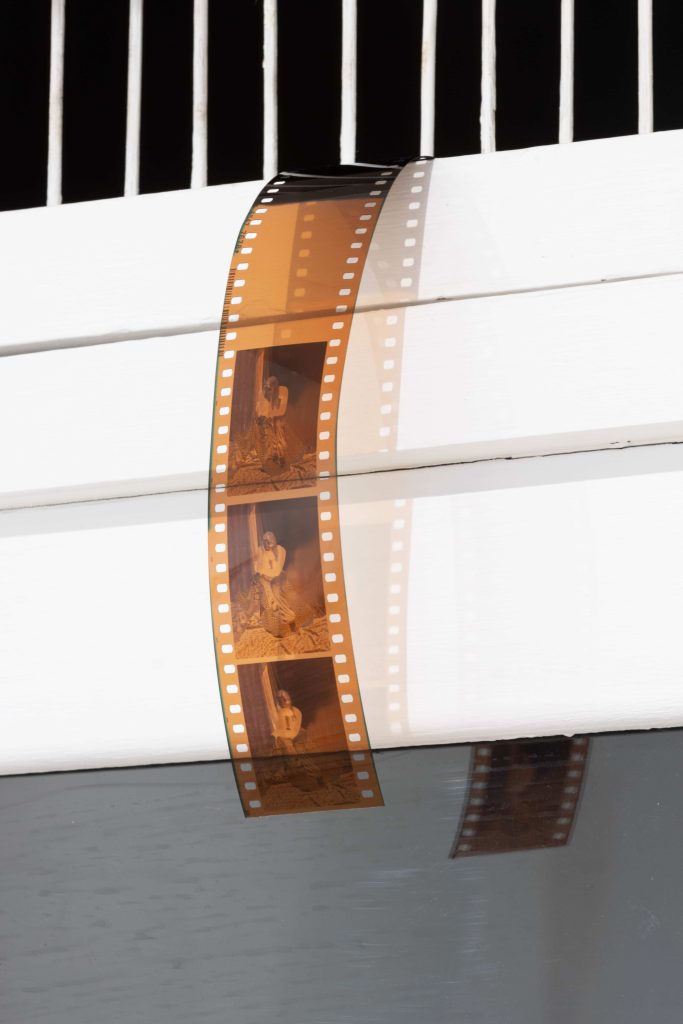
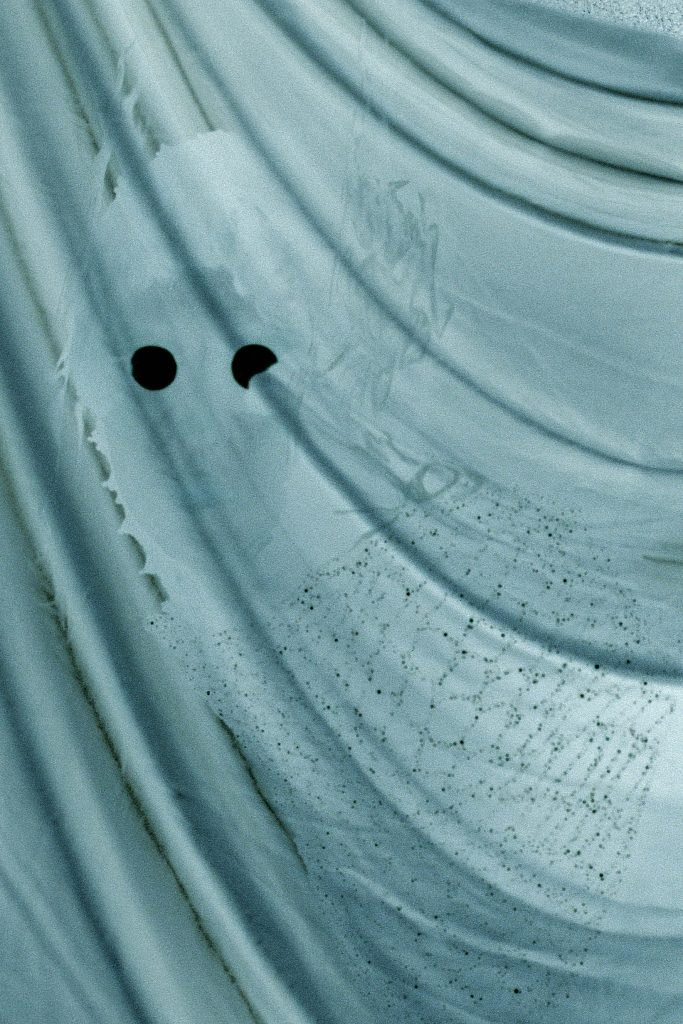
The work is based on an analog photographic negative, with film as the original body of the image. The negative is not perceived as an intermediate stage on the way to a “finished” image. Here, photography becomes a traveler. Her journey begins the moment the film is inserted into the camera. Then she encounters light, movement, coincidences, mistakes, and moments of insight. Then it goes through development, drying, scanning, file processing, and printing. On this journey, it passes through many hands, instruments, surfaces, and technologies. At each stage, it receives an imprint. She develops scars, scratches, and grain. She can burn, become saturated, or fade.
The exhibition considers archives not as an organized system, but as an organism. As an environment where images accumulate, layer, and become semi-living. Although all images are analog, their life inevitably intersects with the digital cycle. Analog becomes ghost software. The image continues to exist in the mind, in thoughts and on screens, as a file on a hard drive, as a copy on a USB flash drive, as an attachment in an e-mail, as a backup copy. In this cycle, images disintegrate into digital dust and settle in the collective visual field. Here, the body of the photograph is digitized and becomes a data carrier, a face that contains countless passwords, access codes, and permissions. It becomes searchable, comparable, and recognizable, sometimes even confused. Similarity begins to function as a feature that opens accounts and archives.

The exhibition itself functions as a familiar to these works. It is a temporary skin, put on at a specific time and place. When it is removed, impressions remain. Surfaces, fabrics, material remnants – evidence of coexistence.

– Agate Tūna

Agate Tūna is a multidisciplinary artist from Riga, Latvia, working with analogue photography, experimental video and sound art. Her practice explores the relationship between spirituality and technology from a woman’s perspective, tracing connections between her family’s spiritual heritage, hauntology, quartz crystals and techno-specters. Photography, as a “haunted medium,” is central to her work, combining chemigrams, self-portraits, and staged compositions to create imagined spaces with constructed objects and printed fabrics, making photography itself a tactile experience.

She holds a BA in Painting (2020) and an MA from the interdisciplinary department POST (2023) at the Art Academy of Latvia, and is a graduate of the ISSP School (2022). Recent projects include a solo exhibition at gallery ASNI (Riga), group exhibitions such as reGeneration Z at Musée Photo Elysée (Lausanne), Under the Sun at TUR art space (Riga), in collaboration with art space 1646 (The Hague), and a residency at Cité Internationale des Arts (Paris). Tūna is a Futures Talent (2024), a participant of Plat(t)form at Fotomuseum Winterthur (2025).

Support: VKKF (State Culture Capital Foundation)